Disputed Resolution on Strait of Hormuz Shipping Faces Uncertain Future
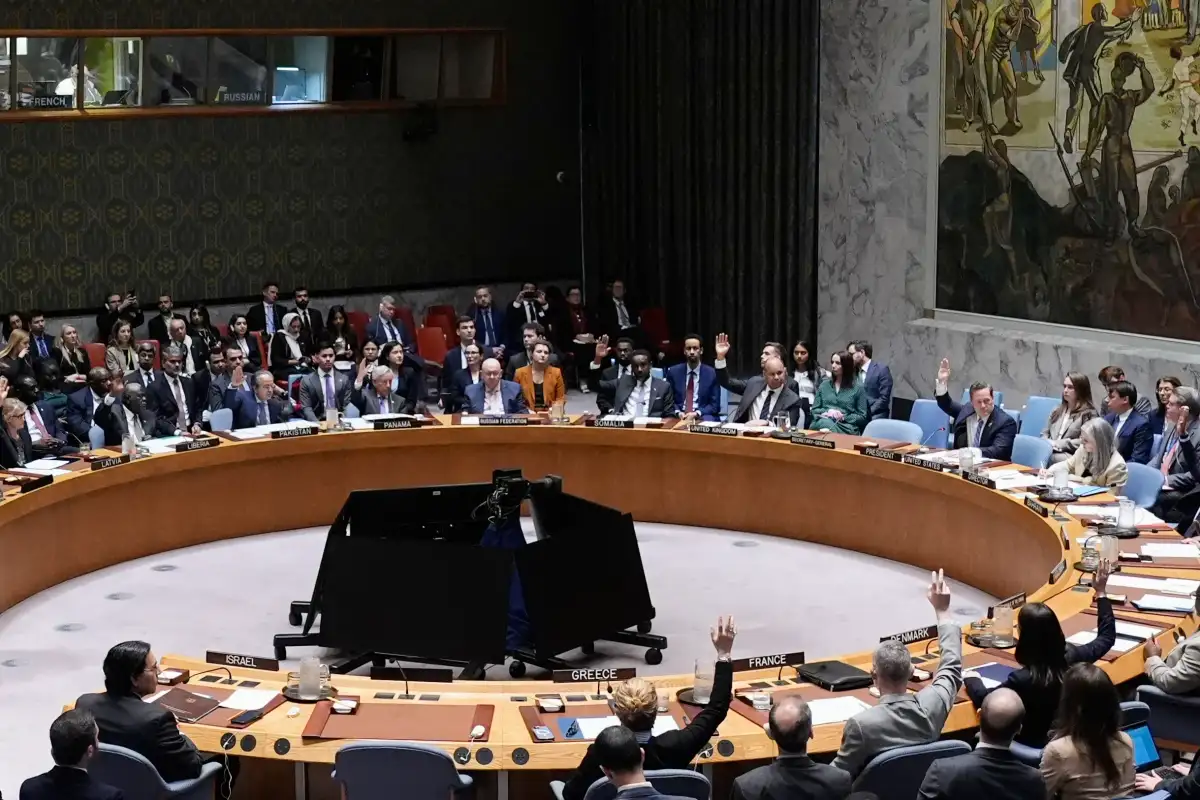
The United Nations Security Council's vote on a Bahrain-backed resolution aimed at safeguarding commercial shipping through the Strait of Hormuz has been pushed to the coming week. This delay stems from significant opposition, particularly from China and Russia, regarding the authorization of force to ensure passage. The original proposal, circulated on March 21, included explicit 'Chapter VII' language, which pertains to the UN Charter's provisions for the use of force. However, facing pushback from veto-wielding council members including China, Russia, and France, Bahrain has substantially revised the text. The latest draft eliminates any reference to offensive military action.
The revised resolution now authorizes nations to employ “all defensive means necessary and commensurate with the circumstances” in the Strait of Hormuz and adjacent waters to secure passage and deter interference with international navigation. This authorization is stipulated for at least a six-month period. Nations undertaking such actions, whether individually or as part of multinational naval partnerships, are required to provide advance notification to the Security Council.
Read More: Malappuram Roadblock Confrontation: Shashi Tharoor's Team Attacked During Campaign Travel
Logistical Hiccups and Strategic Standoffs
The Security Council's 15 members were initially slated to vote on Friday, April 4, but the date was subsequently rescheduled to Saturday, April 5. Even this revised timeline proved unworkable due to ongoing disagreements. China's UN envoy, Fu Cong, explicitly voiced opposition to authorizing the use of force on April 2, arguing that such a measure would escalate tensions. This stance from a permanent member with veto power has critically impacted the resolution's path forward.
Britain hosted a meeting on April 2, bringing together more than 40 countries to discuss efforts for reopening and ensuring safe passage through the Strait of Hormuz. The participating nations also expressed support for Bahrain's initiative to secure a resolution on the matter. A UN Security Council resolution requires a minimum of nine votes in favor and no vetoes from the five permanent members: Britain, China, France, Russia, and the United States. The absence of 'Chapter VII' authority in the current draft means the resolution, even if passed, would not create binding obligations on any state.
Read More: One US Pilot Found After F-15 Jet Shot Down Over Iran on Friday
Background and Broader Context
The Strait of Hormuz, a vital maritime chokepoint, has become a focal point for international concern following disruptions to global shipping. The geopolitical landscape surrounding the strait involves complex dynamics between Iran and other regional and global powers. U.S. President Donald Trump has stated that the U.S. can reopen the Strait of Hormuz with more time, amidst growing pressure for a swift resolution. The current developments underscore the intricate negotiations and strategic calculations at play within the UN Security Council as it grapples with ensuring maritime security in a highly sensitive region.