Targeted Actions Cited to Foster Climate of Intimidation
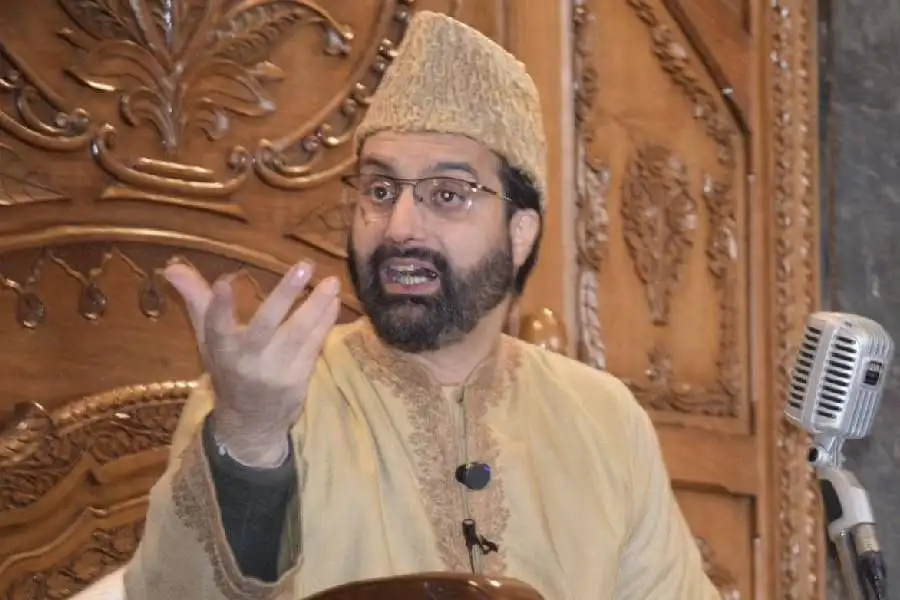
Mirwaiz Umar Farooq, a prominent religious figure and political voice in Kashmir, has asserted that multiple security agencies are actively targeting local government employees under the guise of investigating cases. He stated, in a Friday sermon, that these actions are designed to create an atmosphere of fear and intimidation, thereby reinforcing a narrative that casts the entire Kashmiri populace as inherently suspect. This alleged deliberate strategy of filing cases against and terminating local employees, according to the Mirwaiz, serves to establish and maintain a pervasive sense of fear.
Broader Pattern of Suspicion and Harassment
The claims of targeted action against employees are framed by Mirwaiz Farooq as part of a larger, recurring pattern of suspicion and harassment faced by Kashmiris. Reports documented from various periods indicate that following significant security incidents elsewhere in India, such as the Delhi blast, Kashmiris living, studying, or working across the country experience heightened scrutiny and are often subjected to profiling. This reflexive suspicion, it is argued, extends beyond political rhetoric and taps into a deeply ingrained socio-psychological tendency to scapegoat Kashmiris. The Mirwaiz has repeatedly described such harassment as "very disturbing," emphasizing the distress and anxiety it causes.
Read More: Taiwan Holds Nantou County Drills to Prepare for State Collapse
Calls for Protection Amidst Increased Tensions
These assertions emerge against a backdrop of documented instances of intensified security operations and detentions in Kashmir. Following specific militant attacks, large-scale detentions of hundreds of individuals, including relatives of militants, have been reported. Critics, such as Aga Ruhullah Mehdi, have denounced these actions as "collective retribution" rather than effective counter-terrorism, arguing that punishing an entire population for the actions of a few is unjust and counterproductive. Mirwaiz Farooq has consistently urged authorities to move beyond a purely security-centric approach and adopt a more "human-centric" strategy, advocating for the protection of Kashmiri youth and individuals subjected to what he terms as harassment.
Restrictions and Political Ramifications
The outspokenness of Mirwaiz Umar Farooq has not been without consequence. Reports indicate he has faced restrictions on his movement, including periods of house arrest, particularly following the ban on constituent factions of the All Parties Hurriyat Conference (APHC) under the Unlawful Activities (Prevention) Act (UAPA). His decision to remove the designation of ‘Chairman, APHC’ from his social media profile, reportedly under pressure from authorities citing the ban, drew criticism from groups like the Jammu and Kashmir Peoples Conference (JKPC), who questioned the sincerity of his actions and the prolonged suffering in the region. The Mirwaiz, however, characterized his choices as prioritizing peace over rigidity.
Read More: Man Dies After Setting Fire Outside UN in Protest
Context of Unrest and Public Sentiment
The ongoing security situation and alleged practices are occurring within a complex and often volatile environment in Jammu and Kashmir. Official statements and public reactions, such as those from former Chief Ministers Omar Abdullah and Mehbooba Mufti, reflect a pervasive sense of unease and anxiety among Kashmiris both within the region and across India, particularly in the aftermath of major security events. Mirwaiz Farooq, as a significant religious and political leader, has consistently spoken out against violence and expressed empathy for victims of attacks, while simultaneously highlighting the ongoing distress and perceived disempowerment of the Kashmiri populace. He has warned of impending crises, suggesting that security-driven policies have deepened alienation rather than fostering reconciliation.
Read More: FBI Analysts Review Georgia 2020 Election Data in Fulton County