The 2026 Winter Olympics in Milan Cortina is facing controversy after Ukrainian skeleton athlete Vladyslav Heraskevych was disqualified just before his competition. The decision by the International Olympic Committee (IOC) stems from Heraskevych's use of a helmet featuring images of Ukrainian athletes killed in the ongoing conflict with Russia. This move has sparked debate about political messaging within sports and has led to appeals and public statements from Ukrainian officials.
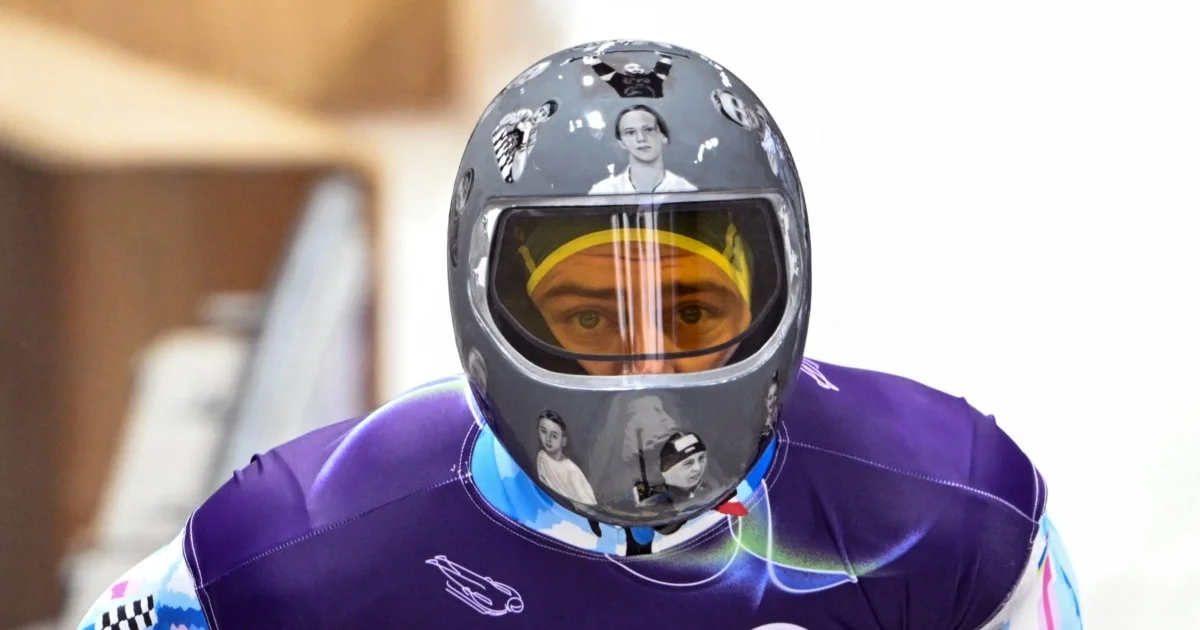
Heraskevych, considered a medal contender, was removed from the Games and barred from the athletes' village after he refused to alter his helmet. The IOC stated the helmet contravened regulations concerning political statements in competition zones, despite efforts to find a compromise.

Background: A Helmet as a Memorial
The dispute began when Vladyslav Heraskevych planned to wear a specially designed helmet during the skeleton competition. This helmet bore images honoring Ukrainian athletes who had lost their lives due to the war. Heraskevych stated his intention was to pay tribute to their sacrifices and show solidarity with their families.
Read More: Italian Athletes Do Well at Home in Winter Olympics

Heraskevych had used the helmet for training sessions on the days leading up to his event, despite being aware of potential IOC objections.
He reportedly told reporters that the IOC had lectured Ukrainian athletes on staying quiet about global conflicts.
He also pointed to other instances where athletes allegedly displayed political messaging or symbols without facing sanctions, questioning the IOC's consistent application of rules.
The IOC's Stance and Actions
The International Olympic Committee maintained that Heraskevych's helmet violated Rule 50 of the Olympic Charter, which governs political expression at the Games. The committee engaged in multiple discussions and meetings with Heraskevych, including a late-night meeting with IOC President Kirsty Coventry on the day before his competition.

"It's any messaging, any form of messaging. The International Olympic Committee had ruled the helmet to be in contravention of regulations surrounding political statements in the field of play." - ESPN report
"Mark Adams said that represents a compromise; Heraskevych said he’s not interested." - AP News report
Read More: Lindsey Vonn Hurt in Ski Race Crash
The IOC offered alternative compromises, such as wearing a black armband.
Heraskevych declined these offers, insisting on his right to honor fallen compatriots.
The IOC stated it wished for Heraskevych to have his "moment" at the Games but deemed the helmet unacceptable.
Heraskevych's Defense and Appeals
Heraskevych expressed his determination to honor those who had sacrificed their lives. He believed his helmet was a form of remembrance and not a political statement intended to disrupt the Games.
"To pay tribute to them, to people who sacrificed their lives because of this sacrifice, I’m able today to be here, and for me it’s important to pay tribute to them and pay honor to their families." - CNN report
Heraskevych indicated his intention to appeal the IOC's decision to the Court of Arbitration for Sport (CAS).
Ukraine's Olympic Committee reportedly backed Heraskevych and stated they were not planning to boycott the Games over his disqualification.
Ukrainian President Volodymyr Zelenskyy publicly supported the athlete prior to his disqualification.
Contrasting Interpretations of Olympic Rules
The core of the dispute lies in the interpretation and application of the IOC's rules on political expression. While the IOC pointed to Rule 50, Heraskevych and the Ukrainian Olympic Committee argued for a broader understanding of permissible tributes, particularly in the context of an ongoing war.
Read More: Ukraine Skeleton Player Removed from Olympics for Helmet Design
| Viewpoint | Argument | Evidence Cited |
|---|---|---|
| IOC | Helmet displays political messaging, violating Rule 50. | IOC regulations on political statements in the field of play. |
| Heraskevych | Helmet is a tribute to fallen athletes, not political propaganda. | Personal desire to honor sacrifices; alleged inconsistencies in IOC rule enforcement. |
| Ukraine Olympic Committee | Supports Heraskevych; implies IOC unfairly targets Ukrainian tributes. | Statement of backing; criticism of IOC's handling of the situation. |
Expert Analysis and Public Reaction
The disqualification has drawn criticism, with some suggesting the IOC's decision was overly harsh and insensitive to the geopolitical realities affecting Ukrainian athletes.
"The IOC owes him an apology." - Guardian report, citing sentiment surrounding the event.
"The IOC has also systemically failed to confront the greatest abuser of international sports and the Olympic Charter — Russia." - Statement attributed to Ukrainian sources via RFE/RL report.
Some observers suggest the IOC's stance aims to maintain a neutral political stance at the Games, a long-standing principle.
However, others argue that the IOC's application of these rules has been inconsistent, especially when compared to other instances of athlete expression.
Conclusion and Next Steps
Vladyslav Heraskevych's disqualification highlights the delicate balance between athletic competition and political expression at international sporting events. The IOC's firm stance on its regulations has led to the removal of a potential medal contender, while Heraskevych and Ukraine maintain their commitment to honoring fallen compatriots.
Read More: Spurs Look at Tactics and Player Choices
The immediate consequence is Heraskevych's removal from the 2026 Winter Olympics.
The Court of Arbitration for Sport (CAS) will likely be the venue for the final adjudication of Heraskevych's appeal.
The incident is likely to fuel ongoing discussions about the IOC's interpretation and enforcement of its rules regarding political neutrality and athlete expression.
Sources Used:
The Guardian: https://www.theguardian.com/sport/2026/feb/12/ukraine-vladyslav-heraskevych-disqualified-winter-olympics-skeleton-helmet-protest-war-deaths - Published Feb 12, 2026. Article focuses on the athlete's disqualification and potential medal contention.
ESPN: https://www.espn.com/olympics/story//id/47906420/ukraine-skeleton-racer-disqualfied-2026-winter-olympics-tribute-helmet - Published Feb 12, 2026. Details the IOC's ruling and Heraskevych's refusal to compromise.
CNN: https://edition.cnn.com/2026/02/12/sport/ukrainian-skeleton-withdrawn-olympics-helmet - Published Feb 12, 2026. Covers the meeting with IOC President Coventry and the athlete's plans to appeal.
Al Jazeera: https://www.aljazeera.com/sports/2026/2/12/ukraines-heraskevych-disqualified-from-olympics-skeleton-over-helmet - Published Feb 12, 2026. Reports on the IOC's notification of disqualification shortly before the competition.
RFE/RL: https://www.rferl.org/a/ukrainian-skeleton-athlete-vladyslav-heraskevych-barred-olympics/33675935.html - Published Feb 12, 2026. Provides details on the IOC's ruling and the Ukrainian Olympic Committee's stance.
AP News: https://apnews.com/article/ukraine-helmet-olympics-heraskevych-skeleton-1b5cecc43a5bc3f841c7d2b683bc771b - Published Feb 11, 2026. Notes Heraskevych training in the helmet despite the IOC ruling and discussions about compromise.
CBS News: https://www.cbsnews.com/news/winter-olympics-ukraine-russia-war-vladyslav-heraskevych-skeleton-racer-helmet/ - Published Feb 11, 2026. Highlights Heraskevych's intent to defy the IOC and wear the helmet, mentioning other athletes depicted.
USA Today: https://www.usatoday.com/story/sports/olympics/2026/02/10/ioc-bans-heraskevych-helmet-ukraine-olympics-skeleton-war-russia/88607918007/ - Published Feb 10, 2026. Explains the IOC's reliance on Article 50 and the rejected offer of a black armband.
Read More: Matt Weston Leads Skeleton Race, Close to Olympic Gold