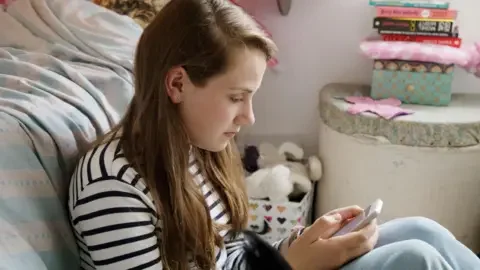
Prime Minister Sir Keir Starmer has announced a significant move to bolster online safety for children, vowing to close existing legal gaps that allow harmful content and practices on social media platforms. This initiative comes in response to growing concerns about the impact of the digital world on young people, aiming to position the UK as a global leader in online protection. The proposed measures include tackling the risks posed by AI chatbots, addressing addictive platform design, and enhancing data protection for minors.
Background to Online Safety Reforms
The UK government's renewed focus on online child safety is a multi-faceted effort, aiming to update legislation and introduce new measures to safeguard minors in an increasingly complex digital environment.
Timeline of Action: Announcements of these measures have surfaced in the past 24 hours, with various news outlets reporting on Prime Minister Keir Starmer's pledges. The government plans to launch public consultations and implement some changes within months.
Key Actors: Prime Minister Keir Starmer is the central figure announcing these reforms. Campaigners, parents, and tech firms are also involved through consultation processes.
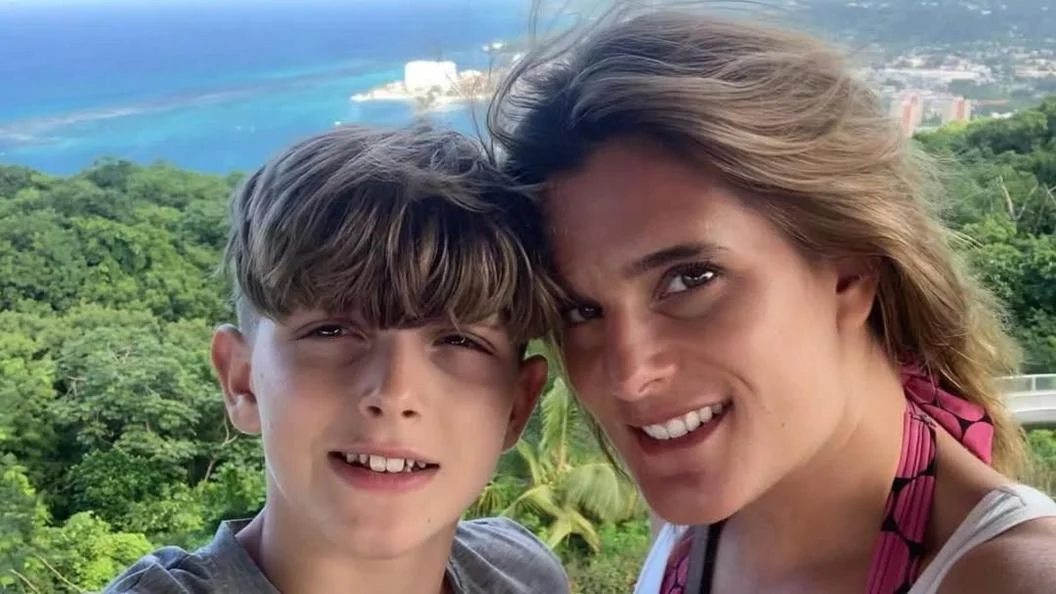
Inciting Event: The death of Jools Roome, reportedly linked to an internet challenge, has been a catalyst for the "Jools' Law" campaign, pushing for better access to a child's digital data to understand circumstances surrounding their death.
Evidence of Proposed Reforms
Several sources detail the proposed changes and the rationale behind them, indicating a strong governmental push to reform current online safety laws.
Read More: India Holds Big AI Meeting with World Leaders
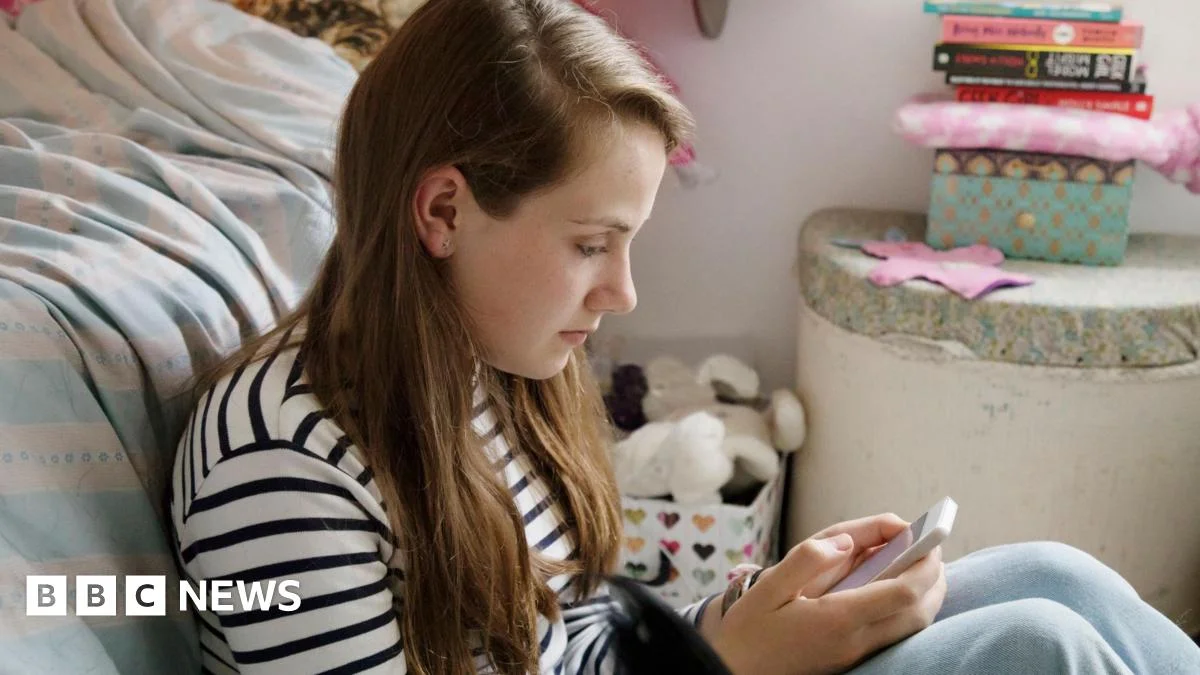
Closing Loopholes:
Plans include closing loopholes that allow AI chatbots to produce illegal content, such as deepfake nude images.
Measures will also address the use of virtual private networks (VPNs) by children to access inappropriate content.
Addressing Addictive Design:
The government is considering restricting features like "infinite scrolling," often criticized for encouraging addictive behavior.
This move is partly in response to concerns about features designed to keep children engaged for longer periods.
Data and Age Restrictions:
Rules on how children's social media data is stored are slated for revision.
Consultations are planned regarding the implementation of minimum age limits for social media access, with Australia's age limit of 16 serving as a potential model.
Government Statements:
Prime Minister Starmer has stated, "No platform gets a free pass" and that "Britain will be a leader, not a follower, when it comes to online safety."
A press release emphasizes immediate action to close loopholes and lay the groundwork for faster responses to evolving technology.
Crackdown on AI Chatbots
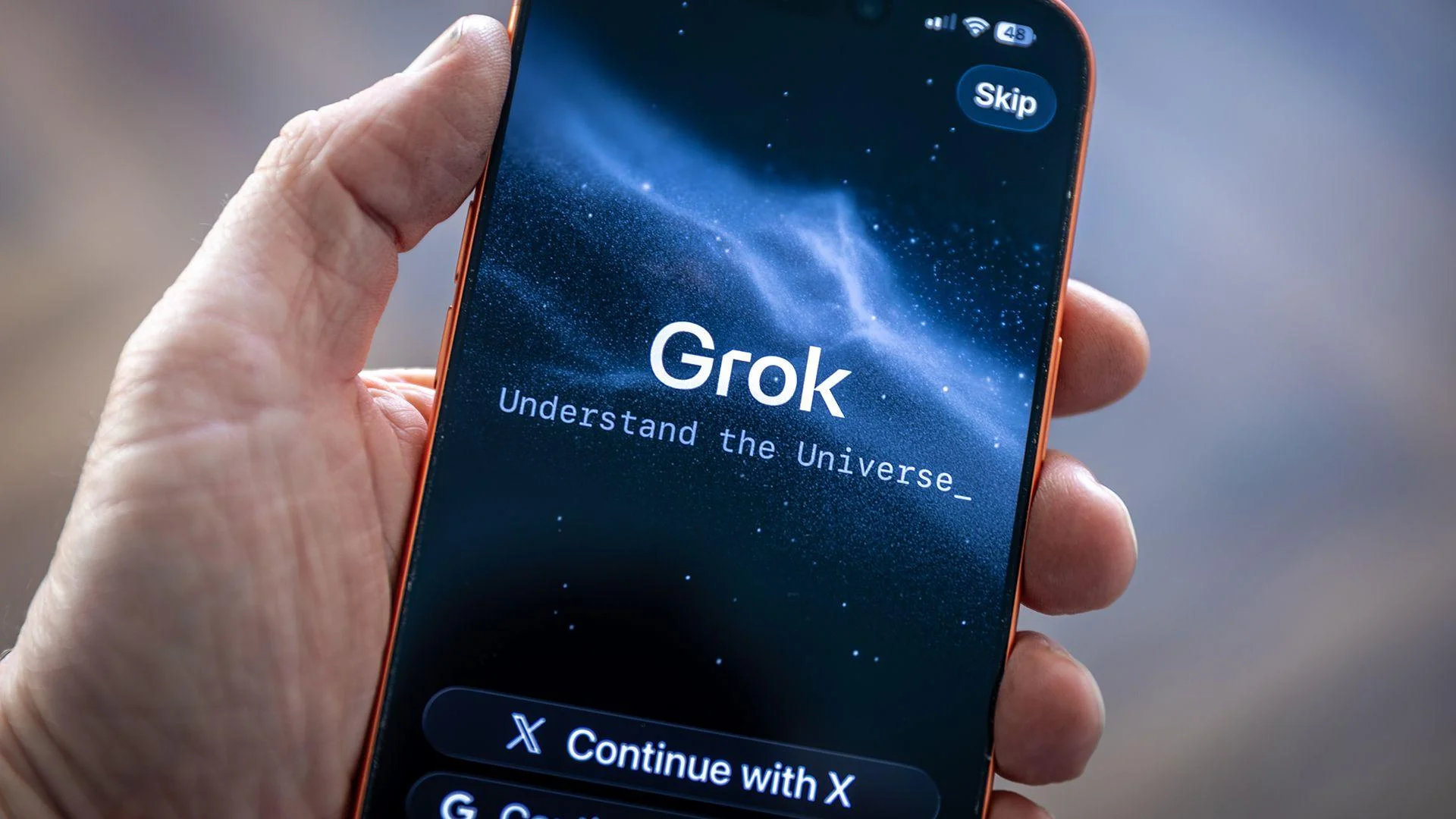
A significant aspect of the proposed reforms targets the evolving capabilities of AI chatbots, particularly their potential to generate harmful content.
Read More: Larry the Cat Celebrates 15 Years as Downing Street's Chief Mouser
Illegal Content Generation: The government intends to close loopholes that currently allow AI chatbots to produce illegal material.
This includes preventing the creation of deepfake nude images.
Protection from Harmful Content: New rules will mandate that chatbots must protect users from illegal and harmful content.
The government aims to implement practical guidance on safety settings and dealing with harmful material.
Consultation Focus: The public consultation, scheduled for March, will seek opinions on restricting children's access to AI chatbots.
Tackling Addictive Platform Design
Concerns about the design of social media platforms and their potential to foster addiction in children are being addressed.
Infinite Scrolling:
The government is considering limiting features like "infinite scrolling," which are known to encourage prolonged engagement.
This design element is frequently cited as contributing to excessive screen time and potentially addictive behavior in young users.
"Doomscrolling": The term "doomscrolling," referring to the act of consuming large quantities of negative online news, is mentioned in the context of features that might be restricted for children.
Data Access and Parental Support
The reforms also aim to provide greater clarity and support for parents, particularly concerning access to their children's data.
Read More: InVideo and Google Cloud Work Together to Make Videos with AI
Jools' Law Campaign: The push to close loopholes in laws governing children's online data is partly driven by the "Jools' Law" campaign, advocating for better access to a child's digital footprint after a death.
Ellen Roome believes her son's death was linked to an internet challenge but could not access his data to confirm.
Parental Guidance:
The government plans to offer practical guidance to parents and carers.
This guidance will include advice on safety settings, conversation prompts for discussing online risks with children, and age-appropriate strategies for handling harmful content.
Expert Analysis and Campaigner Reactions
While the government signals a strong intent to reform online safety laws, feedback from campaigners suggests a desire for even more robust measures.
"With my Government, Britain will be a leader, not a follower, when it comes to online safety." - Prime Minister Keir Starmer
"No platform gets a free pass." - Prime Minister Keir Starmer
Read More: More Measles and TB Cases Seen in UK
Campaigners have generally welcomed the ambition behind the reforms, but some have urged for even stronger measures to ensure comprehensive child protection online. The proposed reforms signal a potential shift in the UK's approach to online safety, aiming for quicker and more decisive action against digital harms affecting children.
Conclusion and Next Steps
Prime Minister Keir Starmer's announced crackdown signifies a determined effort to enhance child safety across social media and AI platforms. The proposed measures aim to close critical legal loopholes, address the risks of addictive platform design, and improve data protection for minors.
Immediate Actions: The government intends to act within months, with public consultations on various aspects, including AI chatbots and addictive design features, scheduled to commence.
Legal Powers: New legal powers are being sought to allow ministers to respond rapidly to emerging threats and findings from ongoing consultations.
Future Direction: The reforms are positioned as a step towards making the UK a global leader in online child safety, with potential for further, faster action as technology evolves. The focus on specific issues like AI chatbots and infinite scrolling highlights a proactive approach to contemporary digital challenges.
Sources
BBC News: Starmer pledges crackdown on 'addictive elements' of social media - Provides details on proposed law changes, Jools' Law, and specific features like infinite scrolling and AI chatbots.
Sky News: 'No platform gets a free pass,' says PM - as crackdown on social media announced - Features the Prime Minister's strong stance and mentions the consultation with tech firms, referencing Australia's age limit.
LBC: No platform gets 'free pass' as Starmer unveils online child safety crackdown - Highlights the consultation on banning children from social media and restricting infinite scrolling, and references Starmer's stance against platforms flouting British laws.
LatestLY: UK Social Media Crackdown: PM Keir Starmer Tightens Online Safety Act To Include AI Chatbots, Aims To Protect Children - Covers the inclusion of AI chatbots, potential Australia-style age limits, and the curbing of deepfakes.
UK POL: PRESS RELEASE : Keir Starmer “No platform gets a free pass”: Government takes action to keep children safe online [February 2026] - Official press release detailing immediate action, new legal powers, and practical guidance for parents.
TDPEL MEDIA: Prime Minister Keir Starmer announces sweeping online safety crackdown in the United Kingdom to protect children from AI chatbots and harmful social media content - Reports on urgent steps, faster powers to act, and the specific crackdown on AI chatbot providers.
Read More: UK Government Plans New Rules for Social Media and Kids