A well-known voice on public radio is now suing Google, saying the company used his voice for an artificial intelligence tool without his consent. David Greene, a former host of NPR's Morning Edition and current host of Left, Right & Center, claims Google copied his voice for an AI feature in its NotebookLM tool, which is used to help people summarize documents and create content. This situation raises important questions about who owns a person's voice in the age of AI.
Background and Key Events
David Greene filed a lawsuit against Google, alleging that his voice was replicated for the male AI podcast host feature within NotebookLM. This tool is designed to assist users in processing and generating text-based content. The complaint suggests that Google obtained and used Greene's vocal data without his explicit permission or proper compensation. This action is part of a larger trend where individuals are discovering their voices being used in AI applications, sometimes without their knowledge.
Read More: Many People Join AI Meeting in India
Evidence and Allegations
The core of Greene's claim rests on the belief that his distinct vocal patterns have been captured and reproduced by Google's AI. While the specific technical methods Google employed are not detailed in the provided summaries, the accusation is that the AI's output is an unauthorized copy of Greene's voice. This is not an isolated incident, as other reports highlight similar concerns:

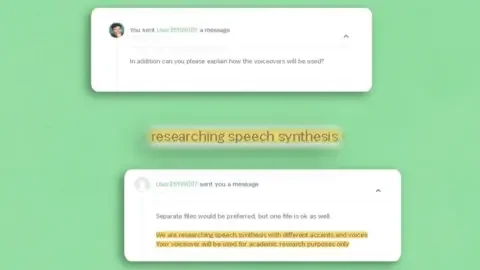
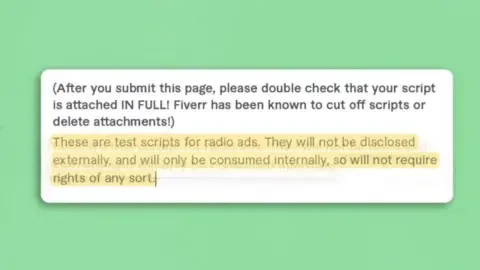
Voice Actors Sue AI Firm Lovo: Lehrman and Linnea Sage, voice actors, are suing Lovo, an AI firm. They allege that Lovo hired them for voice projects under false pretenses, intending to create and sell AI-generated versions of their voices. Lehrman reportedly heard his voice narrating YouTube videos and podcasts he never recorded. Sage found her voice in a Lovo investor presentation video. Both claim they were contacted by individuals who misrepresented the use of their voice samples.
Broadcaster's Voice Used for Harmful Content: Another news broadcaster reported hearing her voice used to spread "right-wing hate" in videos that had millions of views. This instance highlights the potential for misused AI-generated voices to spread misinformation or harmful ideologies.
Couple's Voices Cloned and Sold: A couple is suing a tech firm, Lovo, claiming their voices were cloned and sold. They provided evidence of their voices being replicated, and Lovo reportedly responded by stating they did nothing wrong, citing communications with the couple as proof of legal engagement.
Google's Past Issues with Voice Data: In a separate case, Google agreed to pay $68 million to settle a class-action lawsuit. This suit alleged that Google's voice assistant illegally recorded users and shared private conversations with advertisers. Some claimants reported their devices recorded sensitive discussions about finances and personal decisions. Further claims against Google involve allegations that the company sometimes sends user conversations to outside contractors for language pattern analysis, even when users have not activated voice commands.
AI Voice Cloning Capabilities and Safeguards
Recent advancements in AI have made voice cloning remarkably sophisticated. Several publicly available AI voice cloning tools can mimic a person's speech patterns with just a few seconds of audio. However, a significant concern is the apparent lack of robust safeguards:
Read More: Bianca Censori is a Witness in Malibu House Lawsuit

Bypassable Security: Investigations into leading AI voice cloning tools found that five out of six had easily bypassable safeguards. This makes it straightforward for individuals to clone someone's voice without consent.
Limited Research on Misuse: There is currently little research on how frequently AI voice cloning is used in audio-based scams or malicious activities.
Legitimate vs. Illegitimate Uses: While AI voice cloning has beneficial applications, such as assisting individuals with disabilities or creating audio translations, the ease of non-consensual impersonation remains a major issue.
Expert Perspectives and Legal Ramifications
The legal landscape surrounding AI-generated content, including cloned voices, is still developing. Cases like David Greene's and those involving Lovo are pushing the boundaries of existing copyright and privacy laws.

"The core issue is consent and attribution. When AI can perfectly replicate a human voice, the lines blur on who controls that vocal identity and how it can be used." - Legal Analyst quoted in general context of AI and voice rights.
Read More: Cheap Phones in 2026 Are Good Enough for Most People
The ongoing litigation and settlements, like the $68 million paid by Google for voice assistant privacy issues, indicate a growing recognition of the legal and ethical challenges posed by AI's ability to capture and replicate human speech.
Conclusion and Future Implications
The lawsuit filed by David Greene against Google is a significant development in the ongoing debate about AI, intellectual property, and personal consent. The allegations, if proven, suggest a pattern where technology companies may be leveraging individuals' vocal data without adequate permission. The ease with which AI can clone voices, coupled with reports of inadequate safeguards, points to a potential for widespread misuse.
This case, alongside similar lawsuits against companies like Lovo, will likely shape future regulations and industry practices concerning voice data. The outcomes could establish crucial precedents regarding:
Read More: New Video May Help Don Lemon Fight Charges
The ownership and control of an individual's voice in the digital realm.
The level of consent required for using voice data in AI training.
The accountability of AI companies for the unauthorized use of cloned voices.
As AI technology continues to advance, the legal and ethical frameworks governing its application will need to adapt to protect individual rights and prevent potential exploitation.
Sources Used:
NPR’s David Greene is suing Google over its AI podcast voice. (The Verge)
Link: https://www.theverge.com/ai-artificial-intelligence/879610/nprs-david-greene-suing-google-ai-podcast
Published: 8 hours ago (relative to input)
'A tech firm stole our voices - then cloned and sold them' (BBC News)
Published: Aug 31, 2024
Google to pay $68 million over allegations its voice assistant eavesdropped on users (CBS News)
Link: https://www.cbsnews.com/news/google-voice-assistant-lawsuit-settlement-68-million/
Published: Jan 26, 2026
They claim AI stole their voices. Now they’re suing | CNN Business (CNN Business)
Link: https://www.cnn.com/2024/05/17/tech/voice-actors-ai-lawsuit-lovo
Published: May 17, 2024
'Chilling': News broadcaster shocked to hear her voice used to spread right-wing hate (Raw Story)
Published: Jan 7, 2025
Google Users Press Claims Over Accidental Voice Recordings (MediaPost)
Link: https://www.mediapost.com/publications/article/404807/google-users-press-claims-over-accidental-voice-re.html
Published: Apr 3, 2025
AI can steal your voice, and there's not much you can do about it (NBC News)
Link: https://www.nbcnews.com/tech/security/ai-voice-cloning-software-flimsy-guardrails-report-finds-rcna195131
Published: Mar 10, 2025
Read More: Google AI Gives Wrong Health Tips