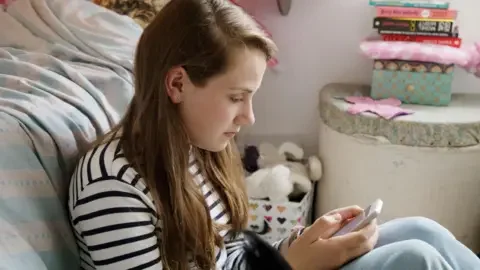
Recent policy shifts indicate a determined push by the UK government to curb the perceived negative impacts of social media and artificial intelligence on minors. Prime Minister Keir Starmer has pledged a series of actions, including consulting on a ban for under-16s, closing legal loopholes, and enhancing data protection for children. These moves follow sustained pressure from within his own party and advocacy groups, highlighting a growing concern about online safety and the addictive nature of digital platforms.
Escalating Political Pressure and Policy Response
A significant development in the ongoing debate surrounding online child safety is the government's recent announcement of comprehensive plans to regulate social media. Prime Minister Keir Starmer has stated that no online platform will be given a "free pass" concerning children's safety. This statement underscores a commitment to strengthening existing protections and exploring new legislative avenues.
Read More: UK Tech Secretary Says Social Media Ban for Under-16s Not Certain

Proposed Measures: The government's strategy involves several key components.
Under-16 Ban Consultation: A significant aspect is the consultation on a potential ban for individuals under the age of 16 from accessing social media platforms. This mirrors an approach taken by Australia, which introduced a mandatory minimum age of 16 in December of the previous year.
Closing Loopholes: Efforts are being made to close existing legal loopholes that have allowed AI chatbots to generate illegal content, including deepfake nude images. This also extends to proposals for amending laws regarding the storage of children's social media data, partly driven by the "Jools' Law" campaign.
Feature Restrictions: The government is exploring limits on features considered risky for children, such as infinite scrolling (often termed "doomscrolling") and the use of virtual private networks (VPNs) to access inappropriate content.
Data Protection: Changes to rules governing how children's social media data is stored are also part of the proposed legislative changes.
Political Momentum: The announcement appears to be a direct response to internal party pressure. More than 60 Labour MPs have publicly urged Prime Minister Starmer to implement a ban on social media for under-16s. This has been framed as an effort to head off a potential backbench rebellion and to demonstrate decisive leadership on the issue. The Liberal Democrats have also proposed an amendment that would introduce age ratings for social media platforms based on their content.
Stance Evolution: Previously, Prime Minister Starmer had expressed reservations about a blanket ban, citing difficulties in enforcement and the potential to push young people towards less regulated areas of the internet, such as the dark web. However, his recent statements indicate an openness to such measures, suggesting a shift in his position in response to mounting concerns and cross-party political support for stricter regulations.
Diverse Perspectives on a Blanket Ban
While the government is exploring a ban, significant debate exists regarding its efficacy and potential unintended consequences.
Read More: UK May Ban Social Media for Kids Under 16
Advocates for Stricter Regulation:
Prime Minister Starmer's government is positioning Britain as a leader in online safety, asserting that "no options are off the table."
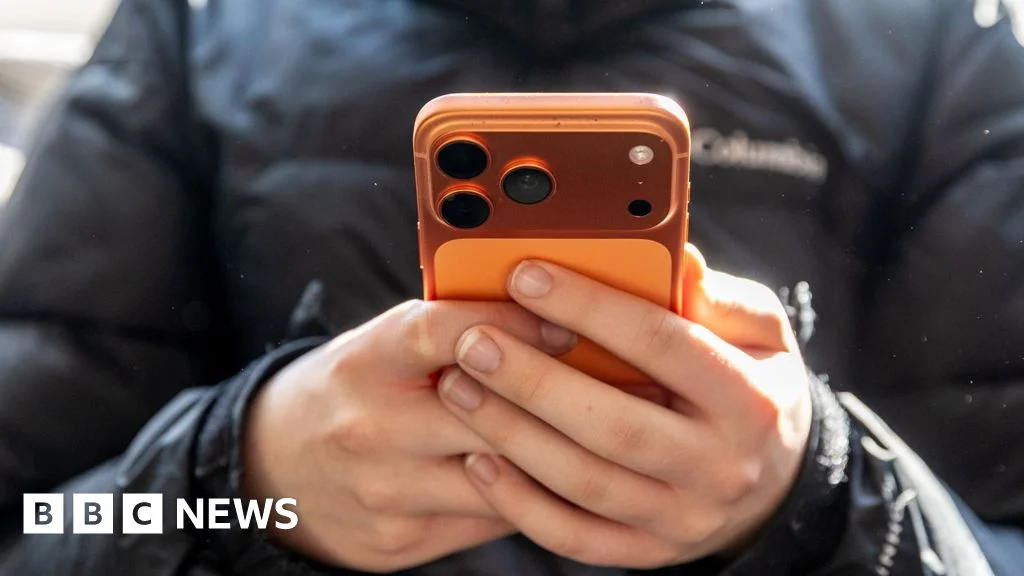
The impetus for these measures appears to be driven by reports of young children spending excessive hours on smartphones, much of it on platforms containing harmful content. The average 12-year-old is reported to spend 29 hours per week on smartphones.
The "Jools' Law" campaign, focused on child safety, has also influenced legislative proposals concerning data protection.
The government aims to introduce new legal powers swiftly, following consultations, to enable prompt action rather than lengthy legislative processes.
Concerns Regarding Blanket Bans:
Several children's charities and online safety organisations have voiced opposition to a universal ban for under-16s.
Their argument is that such broad measures may not achieve the desired improvements in children's safety and well-being.
Instead, they advocate for the robust enforcement of existing laws to prevent under-13s from accessing social media, personalized games, and AI chatbots.
They also propose age-specific, evidence-based blocking mechanisms for risky features on social media platforms.
Evidence and Observed Trends
The government's proposed actions are underpinned by a range of concerns and observations regarding the digital landscape.
Read More: Government Looks Into Claims Think Tank Investigated Journalists

Addictive Elements: The central focus of the proposed crackdown is on the "addictive elements" of social media, suggesting an acknowledgement of design features that encourage prolonged engagement.
Data Protection and "Jools' Law": The "Jools' Law" campaign has highlighted issues surrounding the storage and protection of children's data on social media. This has directly influenced proposals to change existing data handling rules.
AI Chatbot Risks: A specific concern addressed is the potential for AI chatbots to produce illegal content. Plans are in place to amend laws to ensure these platforms have mechanisms to protect users from such material.
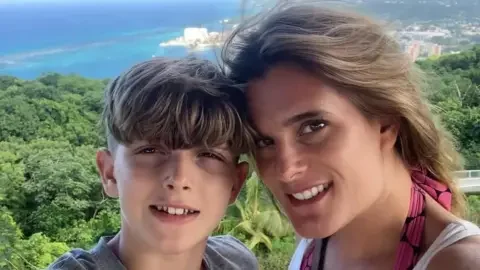
Accidental Harm: Anecdotal evidence, such as the case of a child whose mother believes they were harmed attempting an internet challenge, underscores the potential for accidental or dangerous online activities. The inability to access the child's data to prove the cause is noted.
Australia's Precedent: The Australian model of a mandatory minimum age of 16 for social media access is cited as a potential blueprint, indicating a willingness to adopt international best practices.
Expert Analysis and Political Positioning
The evolving stance of Prime Minister Keir Starmer and the broader political context provide a framework for understanding these proposed changes.
Read More: Many People Join AI Meeting in India
Shifting Stance: Prime Minister Starmer's declaration of openness to an Australian-style ban for young people represents a shift from his previous stance. Initially, he believed such a ban would be difficult to police and could lead to teenagers seeking content on the dark web. This change appears to be influenced by growing cross-party consensus and increasing reports on the negative impacts of social media on under-16s.
"U-turn" Accusations: Critics have characterized Starmer's policy evolution as a "U-turn," particularly noting that recent statements focus on further consultations rather than immediate implementation. The mother of Brianna Ghey has been vocal in pressuring for a ban.
Cross-Party Interest: The issue has garnered attention from other political figures, including Nigel Farage of Reform UK and Ed Davey, the Liberal Democrat leader, who have expressed openness to studying the Australian model and its potential for the UK. Liz Kendall, the Technology Secretary, is also reported to be considering the proposals.
Government's Narrative: The government is emphasizing its commitment to making Britain a "leader, not a follower" in online safety, aiming to preemptively address concerns before they escalate. This proactive framing seeks to assure the public and parliament of decisive action.
Conclusion and Forward Steps
The UK government is embarking on a significant initiative to regulate social media platforms and AI concerning child safety. The proposed measures, including consultations on an under-16 ban and closing legal loopholes, signal a serious intent to address perceived harms. The political pressure from within the Labour party and the growing public concern appear to have catalyzed this policy shift.
Read More: Cheap Phones in 2026 Are Good Enough for Most People
Immediate Actions: The government plans to launch public consultations to gather opinions on restricting children's access to AI chatbots and limiting features like infinite scrolling. It also intends to close loopholes that allow chatbots to produce illegal content.
Legislative Framework: The proposed changes are expected to be incorporated into upcoming legislation, such as the Crime and Policing Bill and the Children’s Wellbeing and Schools Bill, granting the government new powers to act more quickly.
Ongoing Debate: The effectiveness and potential drawbacks of a blanket ban on social media for under-16s will likely remain a central point of discussion, with various stakeholders advocating for different approaches to child online safety.
Monitoring and Enforcement: The success of these measures will depend on their effective implementation and robust enforcement mechanisms. The government's commitment to allowing quick action after consultations suggests an intention to move beyond prolonged periods of legislative development.
Key Sources Consulted:
BBC News: "Starmer pledges crackdown on 'addictive elements' of social media" (https://www.bbc.com/news/articles/cvg38x13x5yo) - Provides details on proposed measures, including data protection and consultation on an under-16 ban.
Sky News: "Government announces sweeping crackdown on social media firms" (https://news.sky.com/story/government-announces-sweeping-crackdown-on-social-media-firms-13507847) - Highlights the prime minister's stance and Australia's precedent.
BBC News: "More than 60 Labour MPs urge Starmer to ban social media for under-16s" (https://www.bbc.com/news/articles/c1dk0g5yk06o) - Details internal political pressure and opposition to blanket bans from charities.
The Telegraph: "Starmer to fast-track social media ban to appease rebels" (https://www.telegraph.co.uk/news/2026/02/15/starmer-fast-track-child-social-media-ban/) - Discusses the acceleration of legislative powers and attempts to manage backbench dissent.
Huffington Post UK: "'No Platform Gets A Free Pass': Government Plans New Crackdown On AI Chatbots And Social Media" (https://www.huffpost.co.uk/entry/government-plans-new-crackdown-on-ai-chatbots-and-social-mediauk6991ecc7e4b03fababa13233) - Focuses on the "no free pass" message and new plans for online safety.
Daily Mail: "Starmer vows to 'do more' to protect children on social media as he faces mounting demands for under-16s ban" (https://www.dailymail.co.uk/news/article-15477067/Starmer-vows-protect-children-social-media-faces-mounting-demands-16s-ban.html) - Reports on the prime minister's admission of needing to "do more" and the consideration of all options.
The Guardian: "Keir Starmer tells MPs he is open to social media ban for young people" (https://www.theguardian.com/politics/2026/jan/13/keir-starmer-tells-mps-he-is-open-to-australian-style-social-media-ban) - Explains Starmer's evolving position and the influence of political support for a ban.
LBC: "No platform gets 'free pass' as Starmer unveils online child safety crackdown" (https://www.lbc.co.uk/article/starmer-online-child-safety-crackdown-5HjdSNH2/) - Reiterates the government's commitment and specific plans regarding chatbots and social media curbs.
News18: "‘No Social Media Platform Gets Free Pass’: UK PM Mulls Wider Internet Controls For Child Safety" (https://www.news18.com/world/no-social-media-platform-gets-free-pass-uk-pm-mulls-wider-internet-controls-for-child-safety-9905714.html) - Frames the UK's approach as a leadership role in online safety and mentions new legal powers.