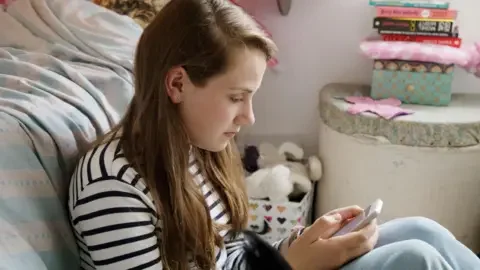
The UK government, led by Prime Minister Keir Starmer, has announced a new set of proposals aimed at enhancing the safety of children online. These measures focus on social media platforms and artificial intelligence (AI) chatbots, seeking to close existing loopholes and introduce new regulations. The initiative has been framed as a move to make Britain a leader in online child protection, promising that no platform will receive a "free pass." The proposals follow instances where AI chatbots have been used to generate harmful content and campaigns advocating for stronger online protections.
Background and Timeline
Recent announcements indicate a concentrated effort to address perceived harms to children arising from digital platforms.
Recent Proposals: The government has put forward a series of measures intended to safeguard minors online.
Consultation Plans: A public consultation was scheduled to begin in March, seeking public and industry input on restricting children's access to AI chatbots and limiting features like infinite scrolling, often termed "doomscrolling."
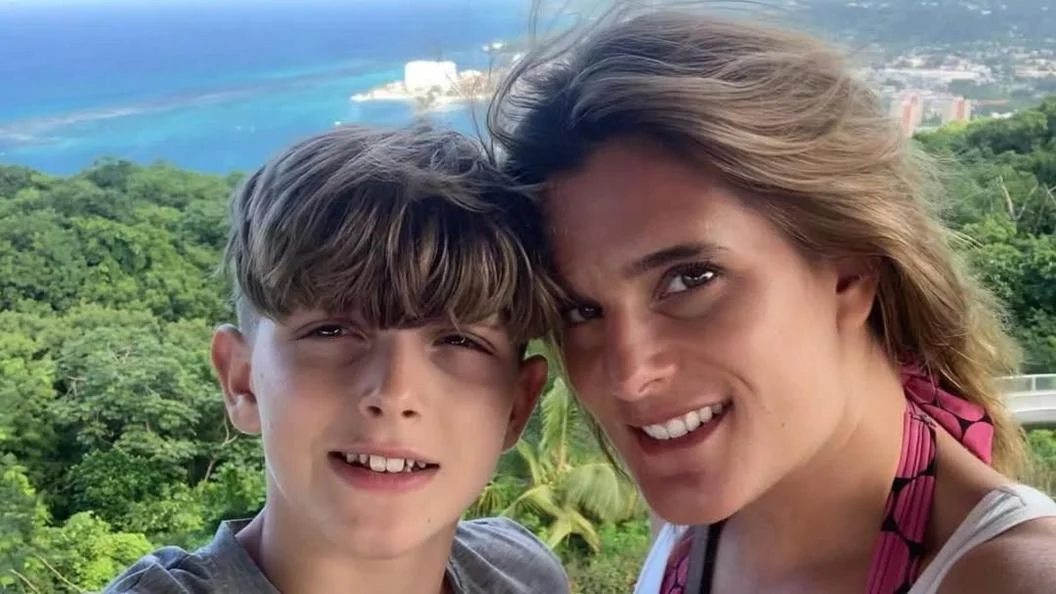
Jools' Law Campaign: The proposed changes to how children's social media data is stored are influenced by the "Jools' Law" campaign, which emerged after a parent suspected their son's death was linked to an online challenge but was unable to access his data.
International Precedent: Australia introduced a mandatory minimum age of 16 for social media access in December of the previous year, a model that the UK is reportedly considering.
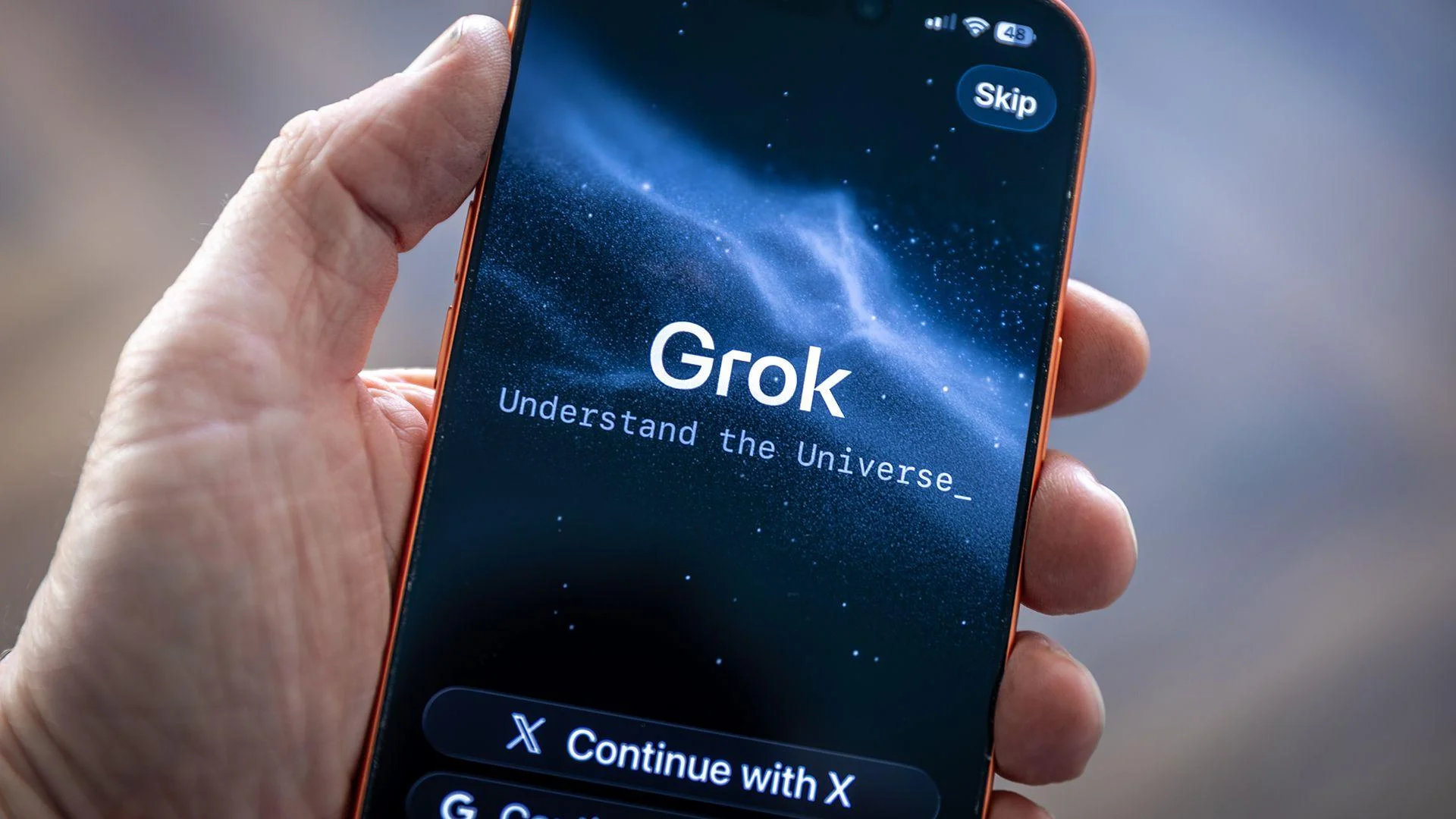
Past Clashes: The government has had prior disagreements with figures like Elon Musk regarding his platform X and its AI chatbot, Grok, which was reportedly used to create fake nude images.
Key Proposed Measures
The proposed crackdown targets several aspects of the online environment deemed to pose risks to young users.
Read More: India Holds Big AI Meeting with World Leaders
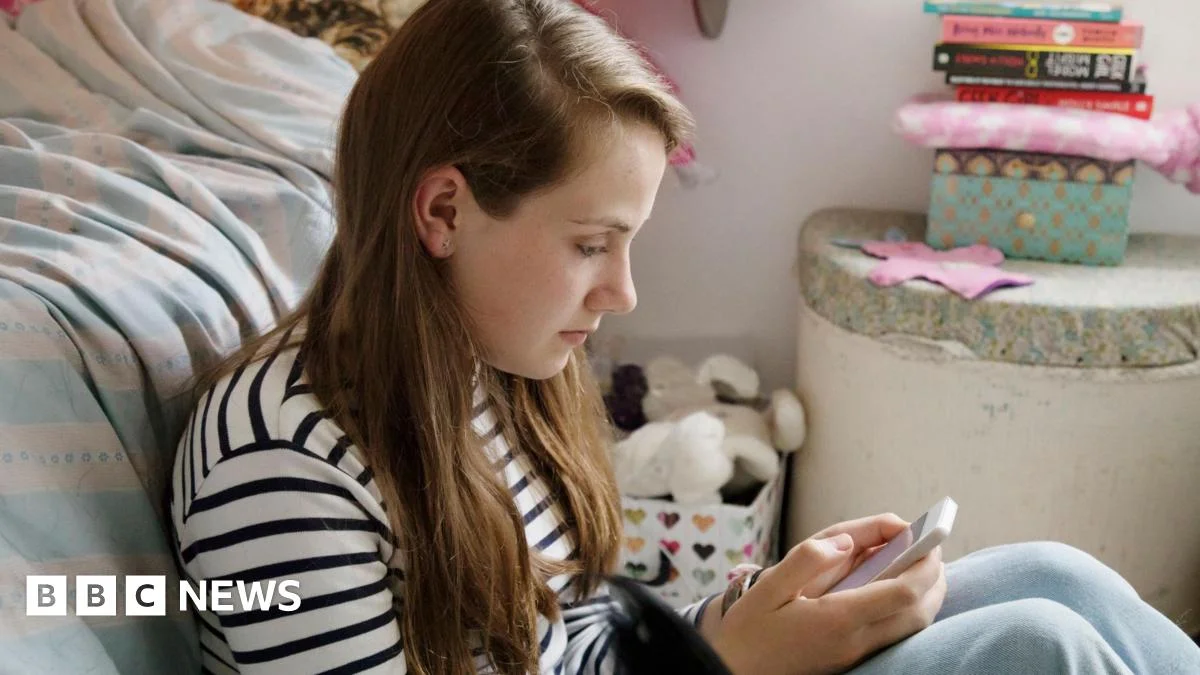
AI Chatbot Regulation:
Chatbots will be required to protect users from illegal content.
Measures are being considered to prevent chatbots from creating deepfake nude images.
Concerns exist about AI chatbots providing inaccurate information, as in a case involving a 14-year-old discussing eating habits.
Social Media Platform Rules:
Loopholes in existing laws designed to protect children are to be closed.
A consultation is planned regarding a potential ban on social media for children under 16.
Rules on the storage of children's social media data are being reviewed.
Restrictions on features like "infinite scrolling" or "doomscrolling" are under consideration.
Protection Against Harmful Content:
Measures may be introduced to make it impossible for users to send and receive nude images of children, even though this is already illegal.
The government aims to block children from using Virtual Private Networks (VPNs) to circumvent age restrictions and access pornography.
Actors and Statements
Prime Minister Keir Starmer has been the primary public figure announcing these proposals, supported by statements emphasizing the government's commitment to child safety.
Read More: Larry the Cat Celebrates 15 Years as Downing Street's Chief Mouser
"With my Government, Britain will be a leader, not a follower, when it comes to online safety." - Prime Minister Keir Starmer
"No social media platform should get a free pass when it comes to protecting our kids." - Prime Minister Keir Starmer
"'No platform gets a free pass,' says PM - as crackdown on social media announced" - Headline from Sky News
The government has stated its intention to consult with tech firms on how best to safeguard children.
Evidence and Data
Information presented in the reports highlights specific issues driving these regulatory proposals.
Jools' Law: This campaign, linked to the death of a child believed to be attempting an internet challenge, underscores the need for access to data related to a child's online activity in certain circumstances.
Deepfake Incidents: The use of AI chatbots to create deepfake nude images, particularly noted in relation to Elon Musk's Grok AI, demonstrates a clear intent to close such loopholes.
Inaccurate AI Advice: An instance where an AI chatbot provided potentially harmful advice to a teenager struggling with body image issues points to the need for accountability in AI interactions with minors.
Age Restrictions Abroad: Australia's implementation of a mandatory minimum age of 16 for social media access provides a tangible example of stricter regulatory approaches.
Debate and Criticism
While the government presents these measures as urgent and necessary, there has been some skepticism regarding the timeline and effectiveness of the proposed actions.
Read More: InVideo and Google Cloud Work Together to Make Videos with AI
Timing of Consultation: The Conservatives have expressed doubt about the government's claim of taking "immediate action," noting that the planned consultation had not yet commenced.
"Claiming they are taking ‘immediate action’ is simply not credible when their so-called urgent consultation does not even exist." - Laura Trott, Shadow Education Secretary
Stance on Under-16 Ban: There are reports indicating that the Labour party has not yet stated a definitive position on whether to prevent under-16s from accessing social media.
Expert Analysis and Insights
The proposed regulations reflect a broader societal concern about the impact of digital technologies on young people's well-being.
Addictive Design: Features like "infinite scrolling" are widely criticized for encouraging addictive behavior in children, suggesting a need to regulate design elements that exploit user psychology.
Data Access Issues: The inability of parents to access data in critical situations, as highlighted by the Jools' Law campaign, points to a deficiency in current legal frameworks concerning children's digital footprints.
AI's Dual Nature: The capabilities of AI, while offering potential benefits, also present significant risks when misused, particularly in areas like generating non-consensual intimate imagery or providing misinformation.
Conclusion and Future Steps
The UK government's proposed online safety measures represent a significant regulatory intervention aimed at protecting children. The proposals indicate a multi-faceted approach, addressing both social media platforms and the rapidly evolving landscape of AI. Key elements include strengthening data protection for minors, curbing addictive design features, and holding AI developers accountable for harmful content.
Read More: More Measles and TB Cases Seen in UK
Key Takeaways: The government aims to close legal loopholes, potentially ban social media for under-16s, and regulate AI chatbots to prevent misuse.
Next Steps: A public consultation is central to refining these proposals, followed by legislative action to implement the new rules. The government has pledged that platforms will be held accountable, with the prospect of significant fines or bans for non-compliance.
Sources Used
BBC News:
Summary: Outlines proposals including closing loopholes for child online protection, consulting on an under-16 social media ban, and changing rules on children's data storage under the Crime and Policing Bill, referencing the Jools' Law campaign and concerns about AI chatbots.
LBC:
Summary: Reports on the government's plan to consult on banning children from social media and restricting infinite scrolling, with Prime Minister Starmer emphasizing Britain's leadership in online safety and mentioning curbs on AI chatbots creating deepfakes.
Link: https://www.lbc.co.uk/article/starmer-online-child-safety-crackdown-5HjdSNH2/
Sky News:
Summary: Details a government crackdown on social media firms, with Prime Minister Starmer stating no platform will receive a "free pass" and mentioning a consultation with tech firms. It also notes Australia's introduction of a mandatory minimum age of 16 for social media.
Link: https://news.sky.com/story/government-announces-sweeping-crackdown-on-social-media-firms-13507847
LatestLY:
Summary: Covers UK Prime Minister Keir Starmer tightening online child safety rules to include AI chatbots and social media platforms, mentioning potential Australia-style age limits for social media and new AI rules to curb deepfakes and exploitative content.
NDTV Profit:
Summary: Reports on the UK government's plans to tighten online safety rules, with Prime Minister Starmer asserting that no platform will get a "free pass." It mentions consultation on restricting AI chatbots and curbing infinite scrolling, as well as blocking VPN use for pornography access.
The Guardian:
Summary: Discusses potential fines or bans for makers of AI chatbots that put children at risk. It also mentions Conservative criticism of the government's claims regarding swift action and an upcoming consultation, and Labour's reported lack of a definitive stance on social media access for under-16s.
Link: https://www.theguardian.com/technology/2026/feb/15/ai-chatbots-children-risk-fines-uk-ban
Read More: UK Government Plans New Rules for Social Media and Kids