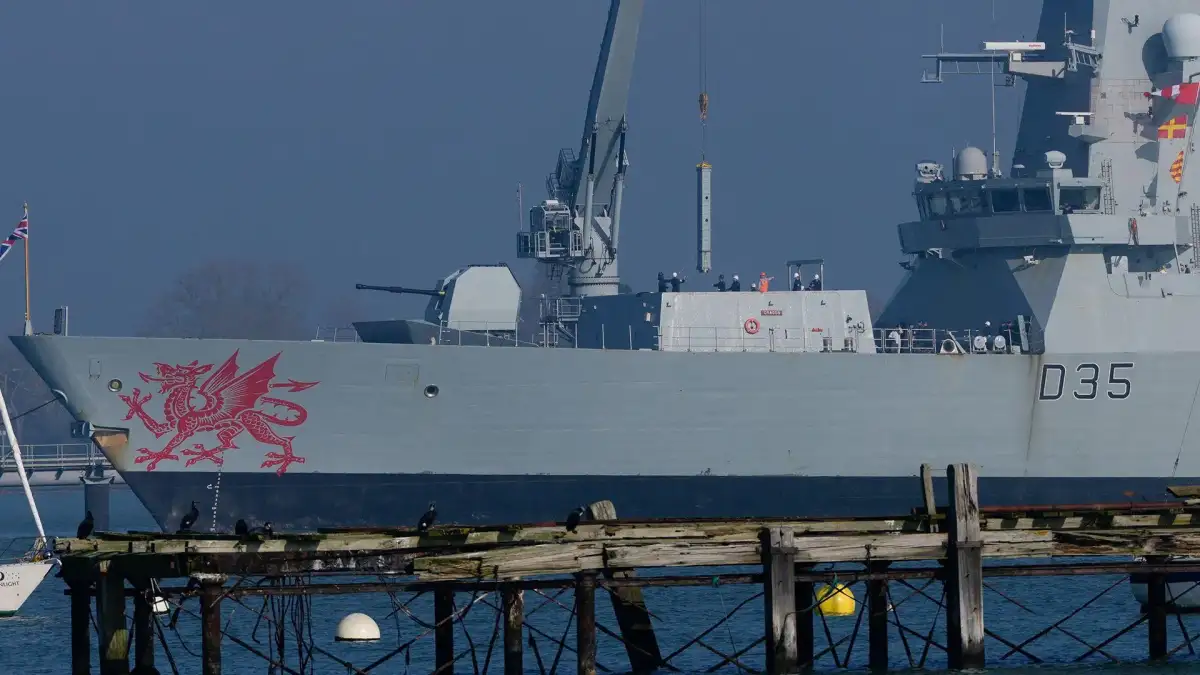
UK military assets and personnel are being deployed and reinforced in the Middle East, particularly in Cyprus, in response to escalating tensions. This includes the recent downing of two drones by an RAF F-35 pilot and the arrival of two Wildcats to strengthen air defences against drone threats. Furthermore, 400 additional air defence personnel are being dispatched to UK bases on the island. These moves occur against a backdrop of significant diplomatic and military realignments, including the US carrier group presence in the eastern Mediterranean and debates surrounding the use of British bases for offensive operations.

The UK government has confirmed that its RAF base at Akrotiri in Cyprus was struck by a drone, underscoring the direct exposure of British facilities to hostilities. This incident, coupled with Iranian missile strikes targeting US Fifth Fleet headquarters in Bahrain, raises concerns about the potential risk to British military personnel stationed in the region, even from indirect attacks. The government has also signalled a shift in policy, permitting the use of British bases to target Iranian ballistic missiles, a decision framed as a response to threats against UK allies.
Read More: India's Defence Ministry approves ₹52,000 crore on Friday for new Army and Navy tech

Increased Military Footprint
Recent deployments indicate a stepped-up military posture. An RAF F-35 pilot intercepted two drones last week, highlighting an active engagement in air defence operations. Simultaneously, two Wildcats were deployed to Cyprus to enhance protection against aerial threats. The augmentation of 400 more air defence personnel to the UK's Cyprus bases signifies a deliberate increase in capacity and readiness.
Cyprus as a Strategic Hub
Cyprus, specifically the RAF Akrotiri base, has emerged as a focal point of UK military activity. Its role is being amplified with reinforced air defences and personnel. However, the base itself has not been immune to the conflict, having been hit by a drone strike. Activists on the island have also voiced opposition, holding demonstrations against the presence of two UK bases.
Risk to Civilians and Strategic Considerations
The conflict poses a tangible risk to the significant number of British citizens residing in the Persian Gulf, estimated at around 300,000. Plans for mass evacuations are reportedly being developed, with over 3,400 flights cancelled across Middle Eastern airports due to the ongoing hostilities, impacting the travel of 102,000 registered British nationals. The government's willingness to allow the US to use British bases for "defensive strikes" against Iran suggests a willingness to engage more directly in the regional confrontation, framed as a necessary measure against threats to allied nations.
Read More: Gulf Oil Exports Rise in June but Still Below Pre-War Levels
Background: Shifting Security Landscape
The UK's National Security Strategy has previously identified the Middle East as a secondary priority, with a focus on deepening trade and security partnerships with Gulf states like Saudi Arabia. However, the current trajectory of the conflict, marked by US and Israeli air attacks on Iran and subsequent Iranian reprisals, has thrust the region into a more prominent security concern. Questions persist regarding the full extent of UK involvement, including potential requests for further military support from the US and the precise nature of UK missions. The historical entanglement with regional conflicts, including arms trade with Israel and debates over military facilities, continues to draw scrutiny, particularly in light of the devastating impact of the war in Gaza and concerns over potential regional escalation, including the use of nuclear weapons by Israel.
Read More: India Approves ₹52,000 Crore Military Hardware Deals