A clinical trial exploring the use of puberty blockers for young people experiencing gender incongruence has been put on hold due to safety concerns raised by the UK's medicines regulator. The trial, known as Pathways, was intended to gather more evidence on the effects of these medications for adolescents experiencing distress related to their gender identity. The pause comes as the Medicines and Healthcare products Regulatory Agency (MHRA) seeks further dialogue with the trial's organizers, King's College London, to address specific issues, including the age range for participants. This development follows previous actions, such as NHS England's decision to limit routine access to puberty blockers to research settings.

Background of the Pathways Trial
The Pathways clinical trial was designed to enroll approximately 226 young people over three years. Its stated aim was to create a stronger evidence base to assist both young people and clinicians in making more informed decisions regarding gender-related care. The trial was set to include children who are currently accessing gender services and have received a diagnosis of gender incongruence. Gender incongruence refers to a mismatch between a person's gender identity and the sex assigned at birth.
Read More: Sparkling water and cancer: what you need to know about PFAS and acidity

Trial Objective: To assess the risks and benefits of puberty-blocking drugs.
Target Population: Young people accessing gender services with a diagnosis of gender incongruence.
Expected Enrollment: Approximately 226 participants over three years.
Previous Practice: Puberty blockers were previously used to treat some young people with gender incongruence or gender dysphoria, which causes significant distress.
Regulator's Intervention and Concerns
The MHRA has formally communicated its concerns to the trial sponsor, King's College London. These concerns are directly related to the wellbeing of children and young people involved in the study.

Core Issue: The MHRA has raised specific concerns regarding the current age limit for participants in the Pathways trial.
Specific Concern: Reports indicate the MHRA is questioning the lower age limit of 10 years old, advocating for it to be raised to 14 years old.
Regulatory Action: The MHRA is scheduled to hold talks with King's College London next week to discuss these issues.
Official Statement: A Department of Health and Social Care spokesperson stated that the trial will only resume if expert scientific and clinical advice confirms it is both safe and necessary.
"The MHRA has now raised new concerns – directly related to the wellbeing of children and young people – and scientific dialogue will now follow with the trial sponsor. This trial will only be allowed to go ahead if the expert scientific and clinical evidence and advice conclude it is both safe and necessary."
Broader Policy Shifts
The pause in the Pathways trial occurs within a context of evolving policies regarding the use of puberty blockers for minors in the UK.
NHS England Decision: In November, NHS England announced that children with gender dysphoria would no longer receive puberty blockers as routine practice. Their use was subsequently confined to research settings, aligning with the purpose of trials like Pathways.
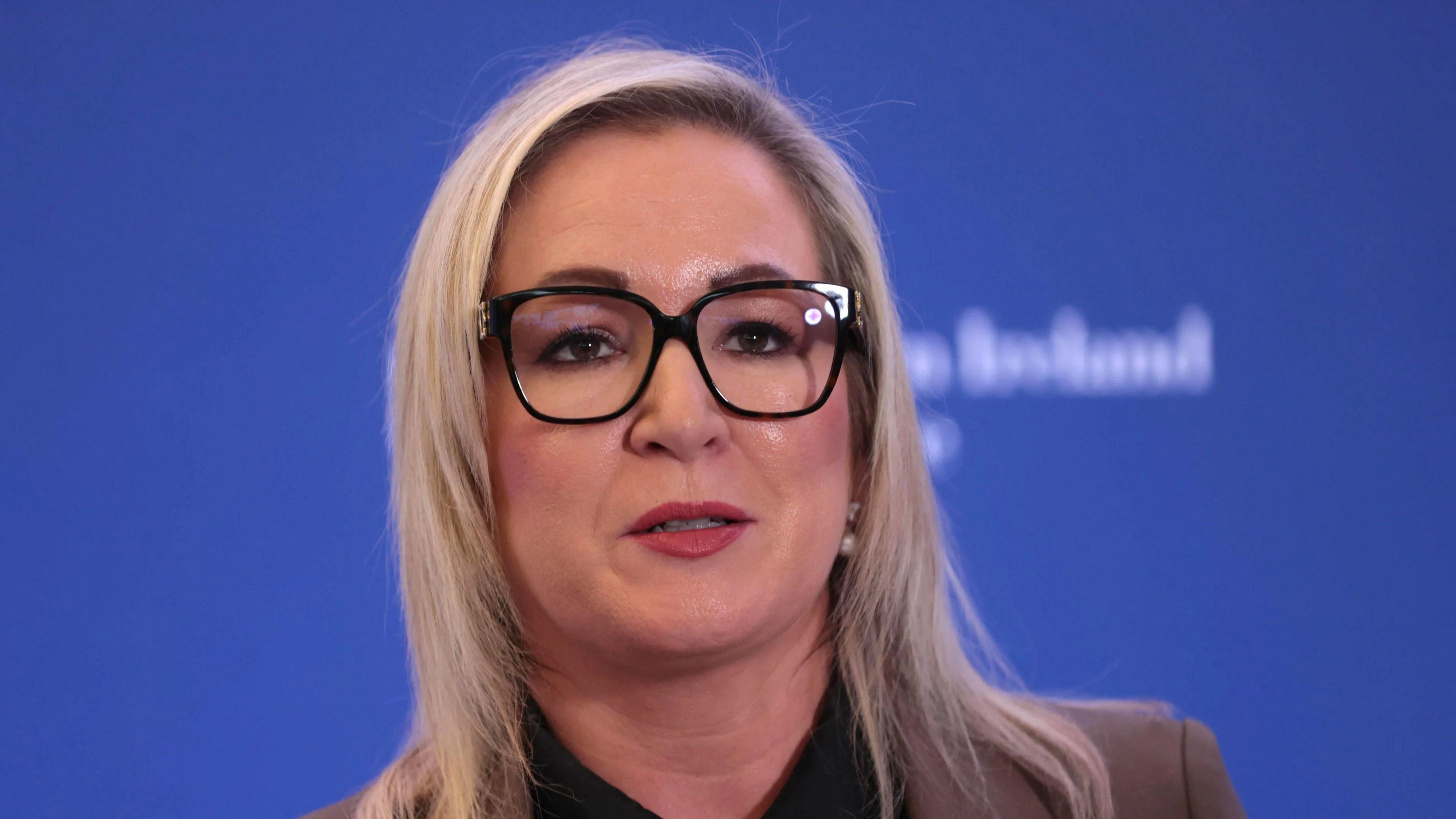
Northern Ireland's Stance: In Northern Ireland, Health Minister Mike Nesbitt independently suspended the country's participation in the trial. He cited ongoing legal action as a factor in his decision and stated that any decision to lift the pause would involve consultation with executive colleagues.
Controversy and Legal Action: The trial has been a source of controversy, with campaigners reportedly threatening legal action against the MHRA, the government, and other involved parties.
"The safety and wellbeing of children and young people have always been the driving consideration in every decision we have made regarding this trial and always will be."
Questions for Further Investigation
Given the evidence, several key questions emerge regarding the ongoing situation:
What specific scientific and clinical data has led the MHRA to raise these concerns about participant wellbeing and the age limit?
What were the external factors or external scientific input that informed the MHRA's decision to pause the trial?
How will the dialogue between the MHRA and King's College London address the raised concerns to ensure the trial's future viability?
What is the nature of the ongoing legal action, and how might it influence regulatory and governmental decisions concerning this trial?
Expert Analysis
While direct expert quotes are not extensively detailed in the provided summaries, the regulator's intervention implies a level of scientific and clinical scrutiny. The MHRA's role is to ensure that medicines are safe and effective. Their decision to pause the trial suggests that, at this stage, they require further assurances regarding the safety protocols and participant selection criteria.
"That rigour and ongoing scientific discussion is important for any clinical trial, particularly one as complex as Pathways, which aims to build an evidence base that can help young people and clinicians to make better-informed decisions in the future."
Conclusion
The Pathways clinical trial, intended to research puberty blockers for young individuals with gender incongruence, has been suspended by the MHRA due to articulated safety concerns, particularly regarding the age of participants. This pause signifies a crucial step in regulatory oversight, emphasizing the importance of a thorough, evidence-based approach to treatments for this demographic. Discussions between the MHRA and King's College London are expected to commence shortly to address these issues. This action aligns with a broader shift in NHS policy, limiting the routine use of puberty blockers outside of research contexts. The situation remains under observation as further dialogue and scientific review will determine the future of the trial, with the stated priority being the safety and wellbeing of the young people involved.
Read More: Close Brothers Can Pay £320 Million Car Finance Payout, Rivals Exit UK Market
Sources:
BBC News: https://www.bbc.co.uk/news/articles/cjd9z0p27k5o - Published shortly before the query. Covers the pause and MHRA's upcoming talks.
GOV.UK: https://www.gov.uk/government/news/pathways-clinical-trial-paused-following-new-mhra-advice - Official government statement confirming the pause and MHRA's concerns.
The Guardian: https://www.theguardian.com/science/2026/feb/20/uk-clinical-trial-into-puberty-blockers-paused-after-medicines-regulator-raises-concerns - Provides details on the age limit concerns and planned participant numbers.
BBC News (Nov 22, 2025): https://www.bbc.com/news/articles/c2k4jg0wkj4o - Background on the announcement of the trial and the definition of puberty blockers.
BBC News (4 days ago): https://www.bbc.co.uk/news/articles/ckg1yegw9n4o - Details the suspension of the trial in Northern Ireland by Health Minister Mike Nesbitt.
News Minimalist: https://www.newsminimalist.com/articles/uk-puberty-blocker-trial-paused-after-regulator-raises-safety-concerns-b1337c34 - A brief mention of the event, focusing on the regulator's concerns.