A planned clinical trial involving puberty blockers for young people experiencing gender incongruence has been halted due to new concerns raised by the Medicines and Healthcare products Regulatory Agency (MHRA). The pause, initiated after the MHRA communicated its reservations to the trial's sponsor, King's College London, means recruitment of participants will not commence until these issues are addressed and resolved. The MHRA's concerns are explicitly linked to the well-being of the children and young people who would be involved in the study.
Background of the PATHWAYS Trial and Puberty Blockers
The PATHWAYS trial, aiming to recruit approximately 226 young individuals aged between 10 and nearly 16, was designed to explore the effects of puberty blockers on those experiencing gender incongruence. Puberty blockers are medications that temporarily stop the physical changes of puberty. The trial intended to administer these drugs to one group for two years, while another group would receive them after a one-year delay. A control group not receiving the blockers would also be monitored. This initiative followed a review of NHS gender services and aimed to build a stronger evidence base for the use of such treatments in this demographic.
Read More: Sparkling water and cancer: what you need to know about PFAS and acidity
Regulator's Intervention and Specific Concerns
The MHRA has communicated its concerns to the trial sponsors, King's College London. The core of these concerns appears to be the safety and well-being of young participants. Discussions between the MHRA and King's College London are scheduled for the upcoming week to address these points.
A key area of contention, as noted in a letter from the MHRA, involves the proposed age range for participants. The regulator has expressed a desire to raise the minimum age for entry into the trial from 10 to 14 years old.
Broader Context: Evidence Base and Previous Reviews
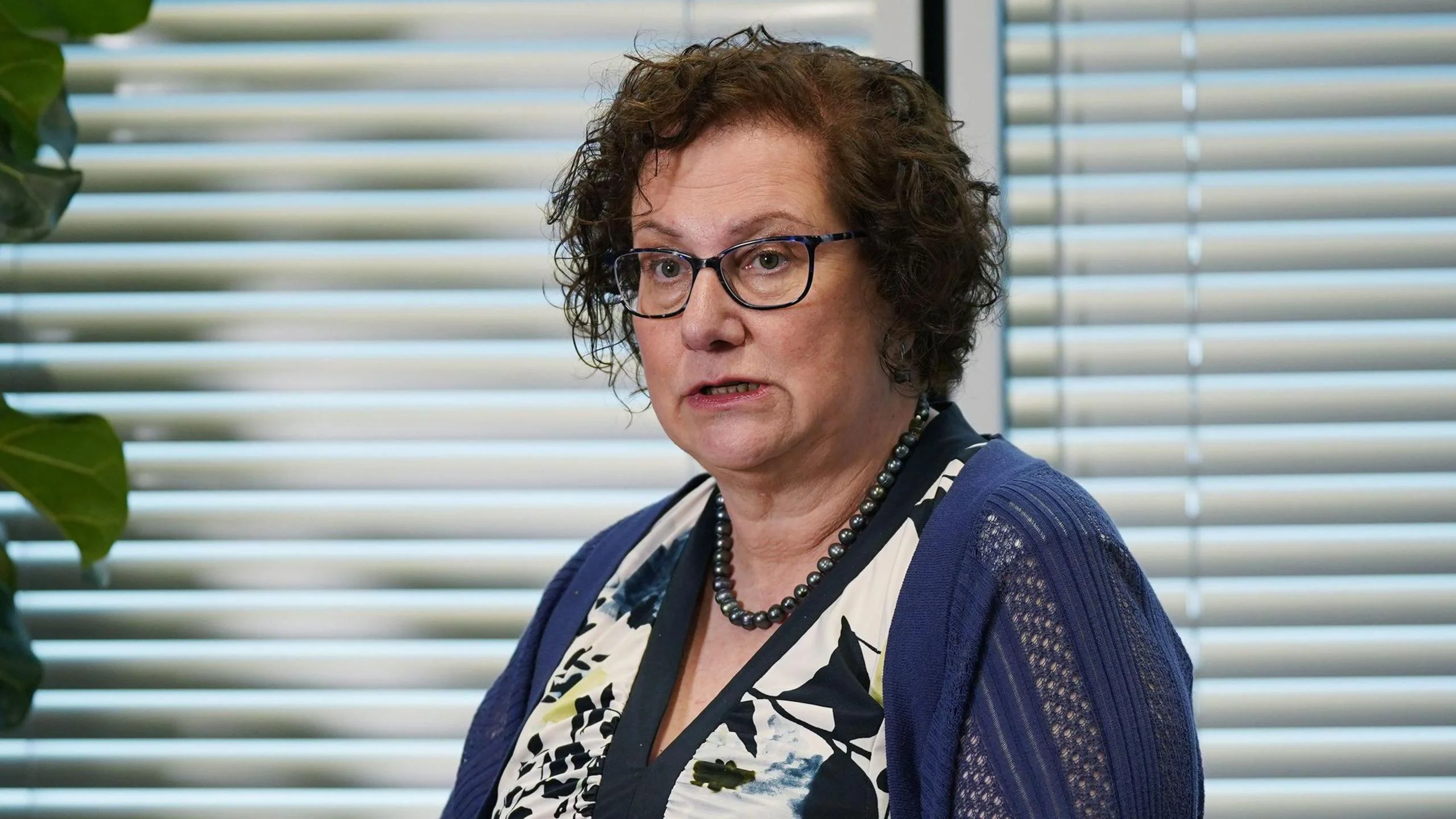
The pause in the PATHWAYS trial occurs within a wider debate about the use of puberty blockers for young people. Baroness Hilary Cass, who previously led a review into gender identity services for children and young people, has indicated that her report found a "very weak evidence base" for the benefits of these drugs. However, she also acknowledged that trials were considered a necessary step forward given the differing views among clinicians, children, and families.
Read More: Close Brothers Can Pay £320 Million Car Finance Payout, Rivals Exit UK Market
Legal and Political Opposition
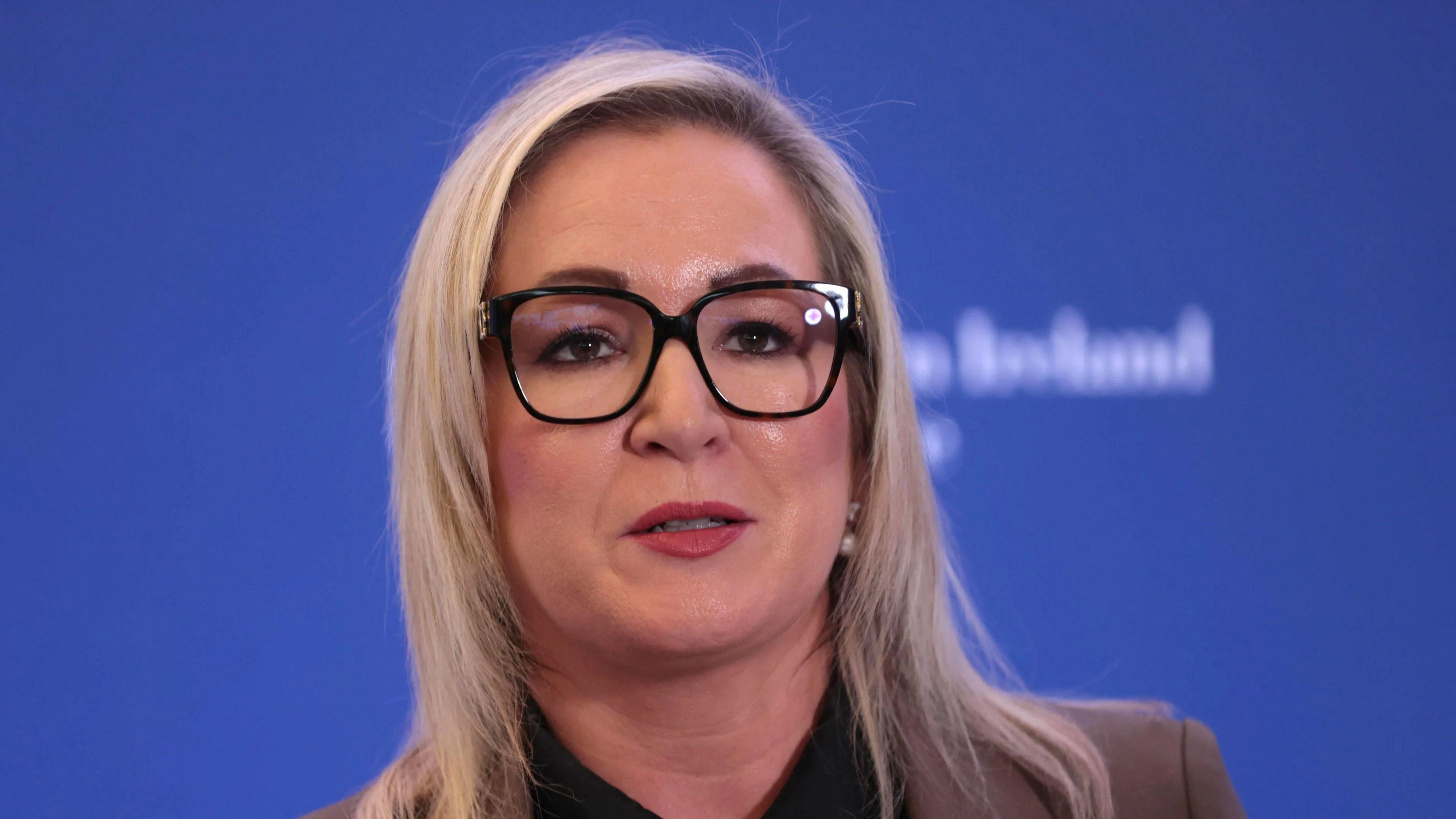
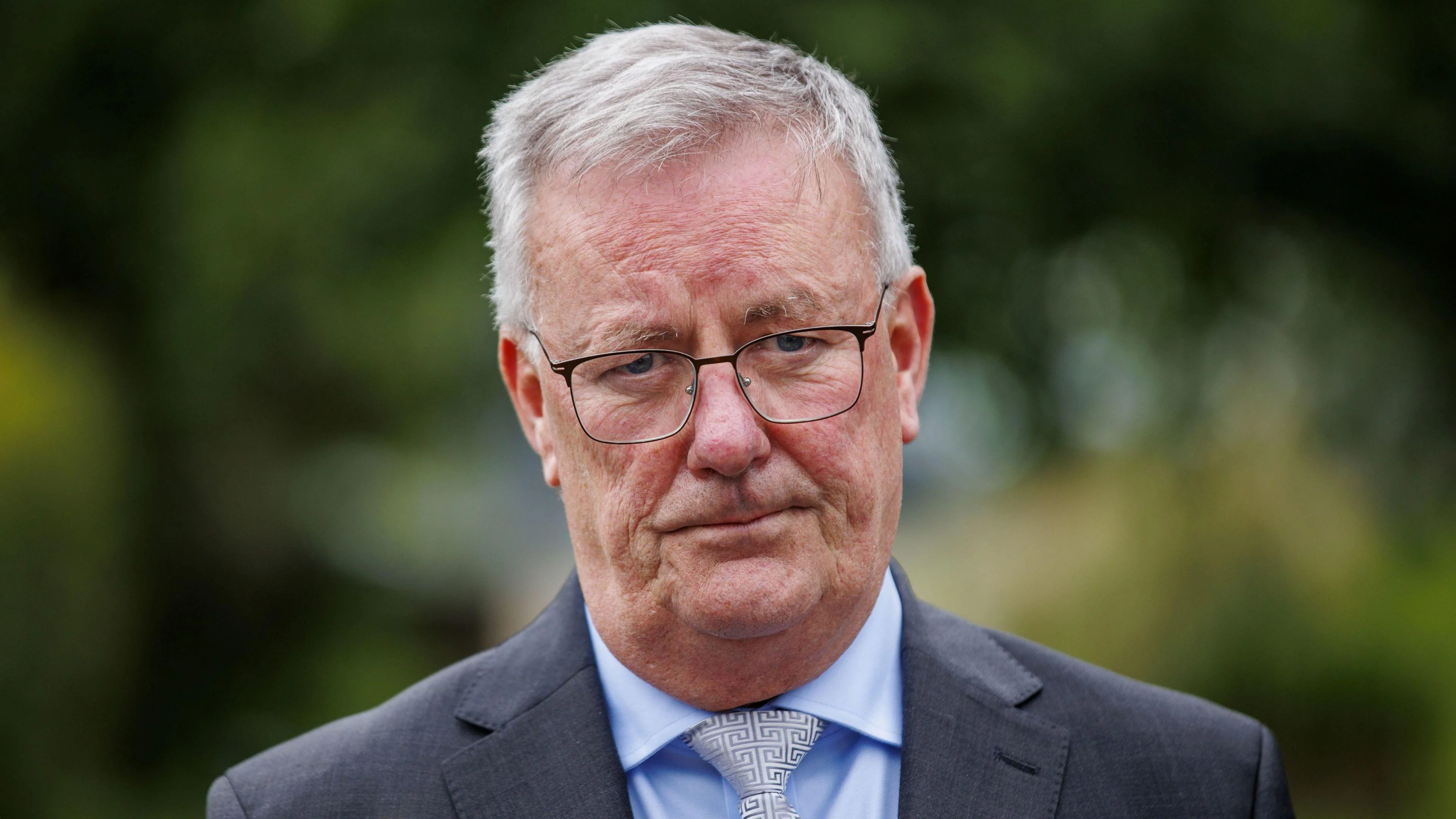
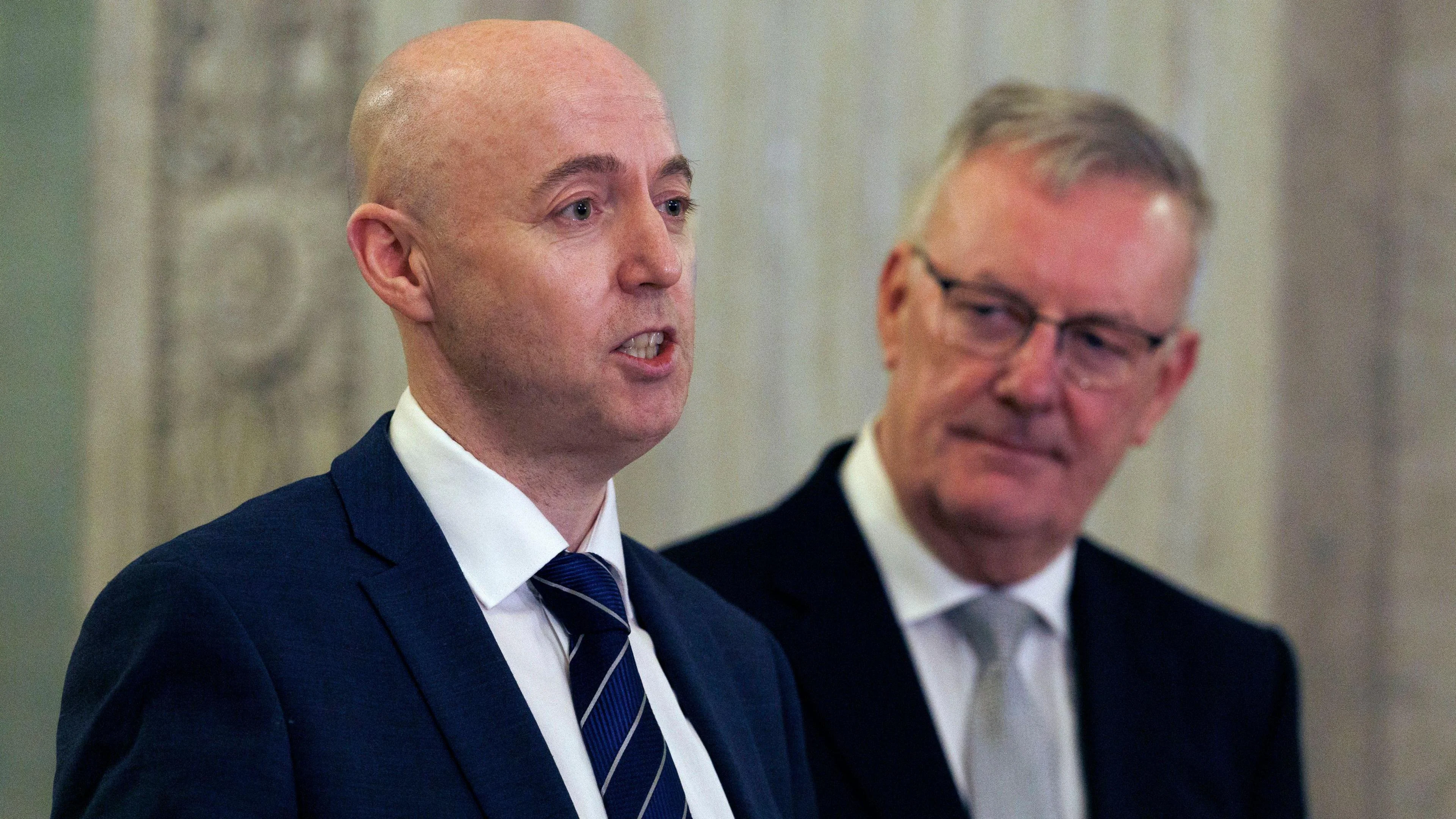
The decision to pause the trial has also been influenced by external pressures. Legal action has been launched against the government concerning the trial, with campaigners, including notable figures like author J.K. Rowling, expressing their opposition. Separately, the Health Minister in Northern Ireland, Mike Nesbitt, independently suspended the region's participation in the trial, citing ongoing legal actions as a factor. This move, however, has drawn criticism from First Minister Michelle O'Neill, who suggested the decision should have been brought to the executive first. Health Secretary Wes Streeting has, meanwhile, rejected calls to halt the trial, underscoring a division in political and administrative approaches to the issue.
Expert Commentary and Evidence Base
Baroness Cass's assessment points to a recognized gap in robust evidence regarding the efficacy and long-term effects of puberty blockers for this population. The PATHWAYS trial was conceived, in part, to address this deficit. However, questions have been raised about the potential impact of prolonged suppression of physical and psychological development during the trial itself. Some research has indicated that certain children experienced more negative than positive effects from puberty blockers.
Read More: Is eating ground beef and rice as boy kibble safe for muscle building in September 2026?
Implications and Next Steps
The immediate implication of the MHRA's intervention is the indefinite delay of the PATHWAYS trial's recruitment phase. The trial will only be permitted to proceed if the MHRA, following scientific and clinical dialogue, concludes that it is both safe and necessary. The emphasis on the "safety and wellbeing of children and young people" has been reiterated by the Department of Health and Social Care as the primary consideration. Future decisions regarding the trial will hinge on the outcomes of these discussions and the evidence presented to satisfy the regulator's concerns, particularly regarding the minimum participant age.
Read More: Cannabis Prescriptions Rise, Doctors Warn of Psychosis Risk in UK
Sources
GOV.UK: PATHWAYS clinical trial paused following new MHRA advice. https://www.gov.uk/government/news/pathways-clinical-trial-paused-following-new-mhra-advice
Irish News: Clinical trial into puberty blockers paused after ‘new concerns’ from regulator. https://www.irishnews.com/news/uk/clinical-trial-into-puberty-blockers-paused-after-new-concerns-from-regulator-Q4MWJGZKC5KIJDA5XBLH57XREE/
The Telegraph: Child puberty blocker trials paused after watchdog concerns. https://www.telegraph.co.uk/news/2026/02/20/child-puberty-blocker-trial-paused/
BBC News: Puberty blockers: Nesbitt decision to halt trial is 'disgraceful' - O'Neill. https://www.bbc.co.uk/news/articles/ckg1yegw9n4o
New Statesman: Will the new puberty blocker trial put children at risk? https://www.newstatesman.com/politics/2025/12/will-the-new-puberty-blocker-trial-put-children-at-risk
BBC News: Streeting rejects calls to stop puberty blocker trial. https://www.bbc.co.uk/news/articles/ckgme45g1elo
The Independent: Puberty blockers to be tested in children as two major clinical studies launch. https://www.independent.co.uk/news/uk/home-news/puberty-blockers-children-research-nhs-tavistock-b2870355.html