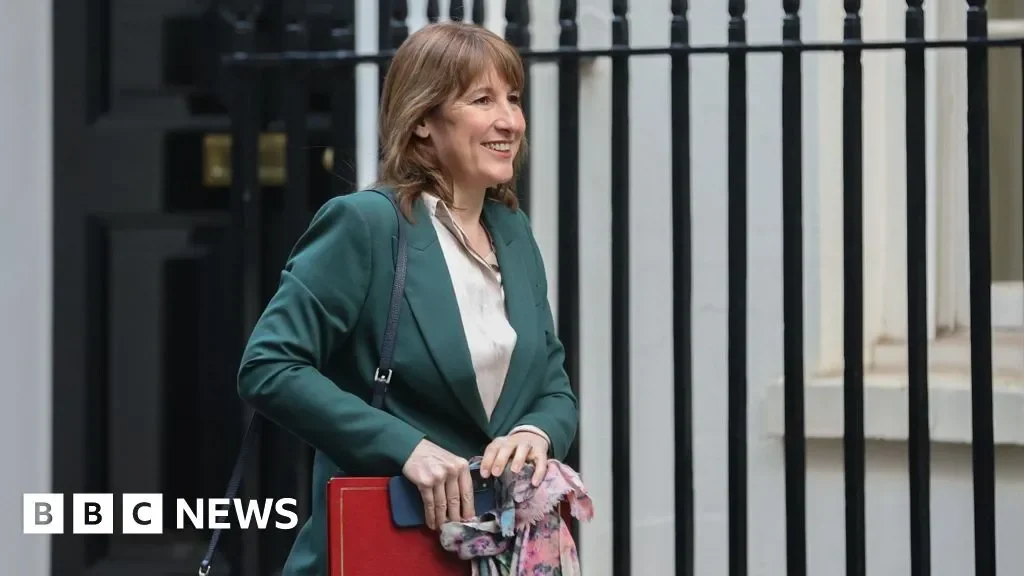
A sustained period of high inflation has presented significant challenges for the UK economy, impacting households and complicating the economic strategies of Chancellor Rachel Reeves. The Bank of England’s Monetary Policy Committee (MPC) has grappled with balancing interest rate decisions, aiming to curb price rises while also considering the effects on economic growth. Reeves, tasked with fiscal management, faces the dual challenge of implementing policies that address the cost of living crisis and support her government's growth agenda, often in parallel with, and sometimes in tension with, the Bank's monetary policy.
The persistent rise in the cost of goods and services has been a defining feature of the UK economic landscape over the past few years. This prolonged inflationary period has eroded household purchasing power and created uncertainty for businesses. For Chancellor Rachel Reeves, the economic climate has necessitated a careful balancing act: managing public finances, introducing fiscal measures, and responding to the ongoing inflation concerns that directly affect the daily lives of citizens and the political standing of her party.
Read More: Labour Now Says Brexit Hurts UK Economy
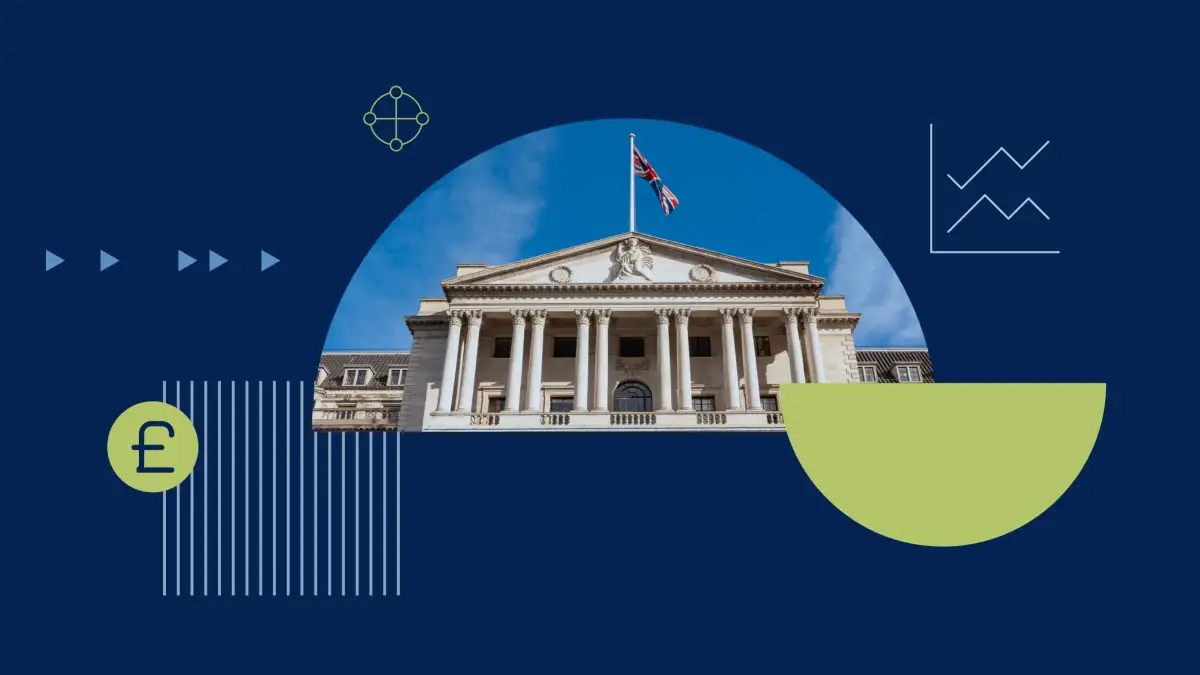
The Bank of England, through its Monetary Policy Committee (MPC), holds the primary tool of interest rate adjustments to manage inflation. However, the committee's decisions are not made in a vacuum. They are influenced by a complex interplay of domestic and global factors, including wage growth, supply chain pressures, and government fiscal policy. Reeves's budget announcements and spending decisions are understood to have a tangible impact on inflation, leading to a close, and at times interdependent, relationship between the Treasury and the central bank.
Inflationary Pressures and Policy Responses
The UK has experienced elevated inflation rates for an extended duration. While some global factors may have contributed, there is a discernible perspective that domestic policies have also played a role.

Government Fiscal Measures: Chancellor Reeves has implemented measures, including tax increases and changes to benefits, aimed at addressing the public finances and tackling inflation. These decisions, such as raising employer national insurance contributions and the national minimum wage, have been viewed by some businesses as contributing to cost pressures that are then passed on to consumers through price rises.
Public Sector Pay: Settlements for public sector workers, particularly those agreed to be well above inflation, have been noted as having two consequences:
They consumed available Treasury funds.
The increased money circulating in the economy potentially fueled further price increases.
Bank of England's Role: The Bank of England's MPC, a nine-member committee, has been observed to be cautious in its approach. While inflation has shown signs of easing, concerns about entrenched price rises, particularly linked to persistent wage growth, have led to a measured stance on interest rate cuts.
"The Bank of England may set interest rates, but the Treasury’s decisions on spending, borrowing, and taxation shape demand and cost pressures across the economy." - Article 6
The Bank of England's Monetary Policy Decisions
The Bank of England's stance on interest rates has been closely watched, with markets frequently anticipating future moves based on inflation data and MPC pronouncements.
Read More: Taiwan Holds Nantou County Drills to Prepare for State Collapse
Interest Rate Stance: The MPC has held interest rates steady at several meetings, even when forecasting weaker growth and lower inflation. This indicates a degree of uncertainty or a desire for more concrete evidence of inflation subsiding.
Rate Cut Speculation: Following announcements of falling inflation, markets have often priced in a strong likelihood of interest rate cuts. However, the MPC has sometimes opted to pause, citing concerns about underlying inflationary pressures, such as wage growth remaining "stubbornly high."
Dilemma for the Bank: The Bank faces a complex dilemma:
Higher interest rates are intended to cool inflation.
Lower rates may be necessary to stimulate economic growth, which is showing signs of slowing.
"Markets will want to see inflation move decisively towards the 2 per cent target before offering any lasting relief on borrowing costs." - Article 9
Reeves's Anti-Inflation Measures and Their Impact
Chancellor Reeves's budget, presented in late November 2025, included a package of measures intended to combat inflation.

Budgetary Impact: The Bank of England has projected that Reeves's budget measures could reduce inflation by up to half a percentage point. These measures were part of a broader strategy that included significant tax increases to address a shortfall in public finances and fund policy changes.
Mixed Effects: While some government actions are seen as helping to reduce headline inflation, other policy decisions could potentially exert upward pressure on prices in the future. The central bank acknowledges these measures but emphasizes the importance of longer-term inflation prospects.
Balancing Growth and Inflation: Reeves's broader economic strategy includes boosting infrastructure investment and liberalizing planning reforms, alongside tackling inflation. This highlights an ambition to pursue growth while managing price stability.
"Reeves, the chancellor, announced a package of anti-inflation measures in her late November budget that she hoped would pave the way for more rate cuts." - Article 3
Economic Perspectives on Inflation and Policy
Diverse viewpoints exist regarding the drivers of inflation and the most effective policy responses.
Business Concerns: Some business leaders have expressed concerns that increased costs, stemming from measures like a higher minimum wage and rising business rates, could force companies to increase prices, thereby contributing to inflation.
Trade Union Congress (TUC) Stance: The TUC has urged the Bank of England to cut interest rates to stimulate economic growth, arguing that weak growth should be a more pressing concern than the risks associated with high wage growth. They advocate for a series of swift rate cuts.
External vs. Internal Factors: A significant perspective suggests that Britain's inflation problem is not solely a global phenomenon but has also been influenced by domestic fiscal policy decisions made within the Treasury.
"The TUC argues that weak growth should be the more pressing concern… They should go for growth with a sequence of quick-fire cuts this year." - Article 5
Conclusion: An Intertwined Path Forward
The economic trajectory of the UK hinges on the continued coordination and calibration of fiscal and monetary policy. Chancellor Rachel Reeves has made tackling inflation a central objective, implementing a budget designed to reduce price pressures. The Bank of England, while acknowledging these fiscal measures and observing a general easing of inflation, remains cautious due to persistent concerns, particularly around wage growth.
The MPC's decisions on interest rates will continue to be heavily influenced by incoming inflation data, wage dynamics, and the broader economic outlook. The effectiveness of Reeves's fiscal strategy in achieving sustained inflation reduction, without unduly stifling economic growth or exacerbating cost pressures for businesses, remains a critical factor. The ongoing dialogue and interaction between the Treasury and the Bank of England will be crucial in navigating the complex path towards price stability and economic recovery. The Bank's recent decision to hold rates, despite forecasts of lower inflation, signals an ongoing assessment of the economic landscape and a prudent approach to further policy adjustments.
Read More: Andy Burnham Labour Leader Fears Cause UK Markets To Drop
Key Sources:
The Guardian - Politics: https://www.theguardian.com/politics/2025/oct/27/how-can-rachel-reeves-reduce-inflation
The Guardian - Business (December 17, 2025): https://www.theguardian.com/business/2025/dec/17/inflation-drop-makes-bank-of-england-early-christmas-present-to-reeves-almost-a-certainty
The Guardian - Business (February 5, 2026): https://www.theguardian.com/business/2026/feb/05/bank-of-england-interest-rates-held-inflation-concerns
The Guardian - Business (December 14, 2025): https://www.theguardian.com/business/2025/dec/14/how-many-more-times-will-the-bank-of-england-rescue-rachel-reeves
The Guardian - Business (February 16, 2026): https://www.theguardian.com/business/2026/feb/16/bank-of-england-should-cut-rates-to-boost-consumer-spending-says-tuc
City A.M.: https://www.cityam.com/britains-inflation-problem-isnt-global-its-made-in-the-treasury/
The Guardian - Business (December 9, 2025): https://www.theguardian.com/business/2025/dec/09/bank-of-england-expects-budget-cut-inflation-half-percentage-point
The Guardian - Business (November 19, 2025): https://www.theguardian.com/business/2025/nov/19/fall-uk-inflation-interest-rate-cut-rachel-reeves-bank-of-england
The Spectator: https://www.spectator.co.uk/article/steady-inflation-gives-reeves-some-reprieve/
Morningstar UK: https://global.morningstar.com/en-gb/economy/bank-england-holds-interest-rates-rachel-reeves-autumn-budget-looms
CEPR VoxEU: https://cepr.org/voxeu/columns/new-operating-procedures-bank-england-bonanza-banks
Not A Yes Man Economics: https://notayesmanseconomics.wordpress.com/2025/09/26/higher-uk-inflation-is-the-fault-of-both-the-bank-of-england-and-chancellor-rachel-reeves/