

Core Statements on Finances and Iran War
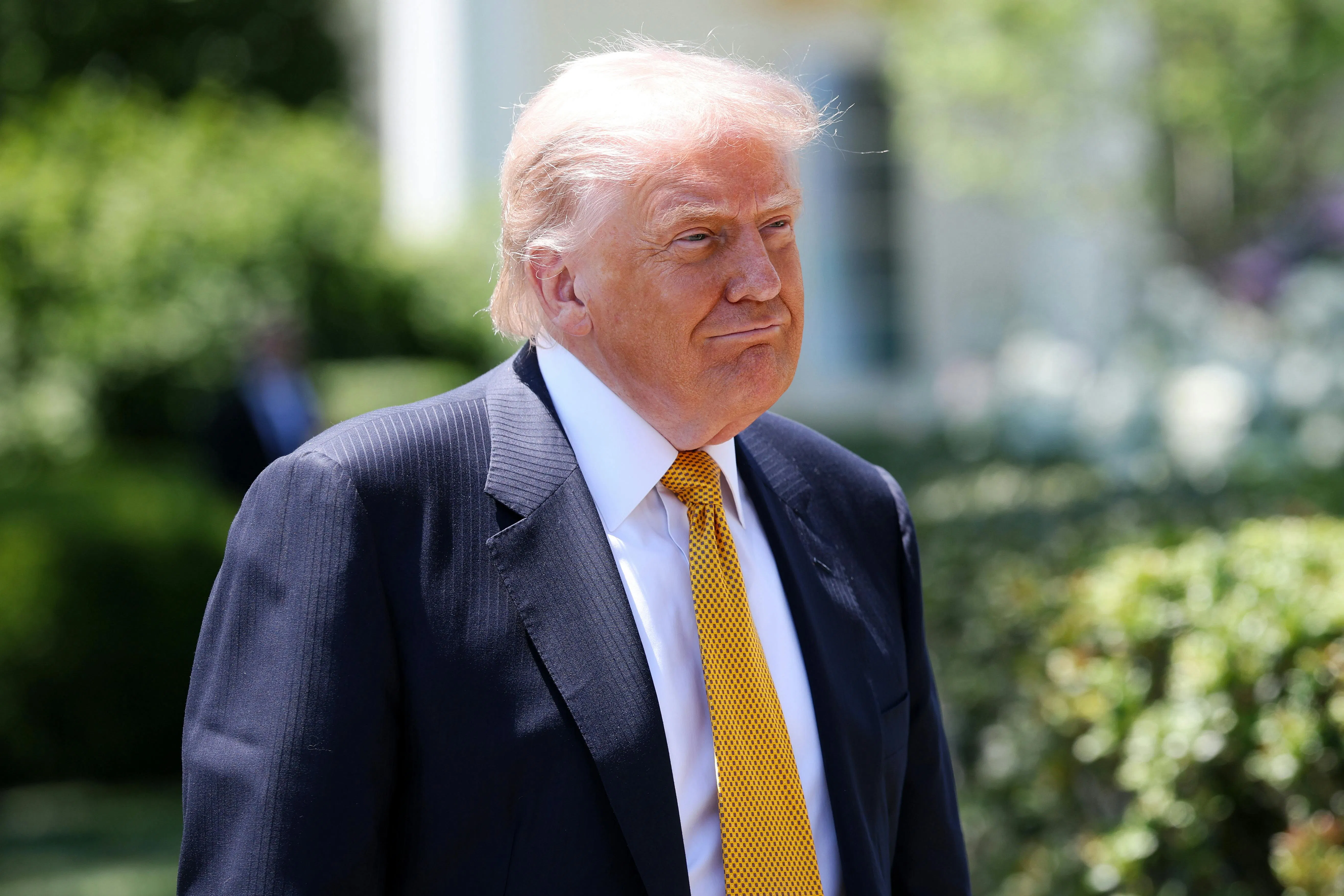
President Donald Trump stated he "doesn't think about Americans' financial situation" when calculating the war in Iran, asserting his sole focus is preventing the nation from acquiring nuclear weapons. This assertion, made on Tuesday, has drawn swift criticism from Democrats and calls into question his campaign promises regarding economic relief.
Trump's remarks, delivered before departing for China, directly address queries about the economic pressures facing Americans, such as rising gas prices, which many link to the ongoing conflict. While Trump maintains his priority is national security, a significant portion of the public, approximately two-thirds, disapproves of his handling of both the economy and the Iran war, with a similar number finding gas prices a personal burden.
GOP Faces Midterm Headwinds
The statements and the war's economic ripple effects appear to be contributing to the Republican party's challenges heading into the midterm elections. Reports indicate that Trump's approval rating has reached a second-term low, exacerbated by voter dissatisfaction with the economy and the Iran conflict.
Read More: House Allows Year-Round E15 Gas Sales From May 13, 2026
Economic Strain: Inflation is accelerating globally, with countries like Australia, Canada, and South Korea experiencing the effects. British households face a fresh cost-of-living crisis, and Asian manufacturers are already passing on increased costs.
Public Perception: Some analyses suggest that Americans are directly connecting their daily economic hardships to Trump's policies and his handling of the war.
Internal Discontent: Even within his own party, there are signs of friction. For instance, Representative Marjorie Taylor Greene, previously a strong Trump ally, has reportedly voiced opposition to his Iran policy.
War Costs and International Engagements
The financial burden of the Iran war is substantial, with official estimates placing the cost at $29 billion so far. Trump's diplomatic efforts extend to his trip to Beijing, where he intends to discuss the war with Chinese President Xi Jinping, though he has stated he will not be seeking China's direct assistance in ending the conflict.
Meanwhile, legislative efforts to rein in the war, such as the War Powers Act, face hurdles. President Trump has argued that the war is already over, thereby sidestepping the need for congressional approval. However, the war's continuation, marked by ongoing strikes and counter-strikes involving groups like Hezbollah, suggests a prolonged engagement.
Background: A Divided Landscape
The war in Iran, launched around February 26, has coincided with escalating global economic instability. While Trump has repeatedly stated the war will conclude soon and has threatened further military action if a deal isn't reached, his recent remarks suggest a disconnect between his foreign policy objectives and the domestic economic anxieties of Americans. Polls indicate that while about a third of respondents find his handling of Iran effective, a larger majority disapprove of his overall approach to the conflict and the economy. This sentiment could present a significant challenge for Republicans as they prepare for upcoming elections.
Read More: US Sanctions Iran Oil Exports to China, Affecting Beijing Summit


