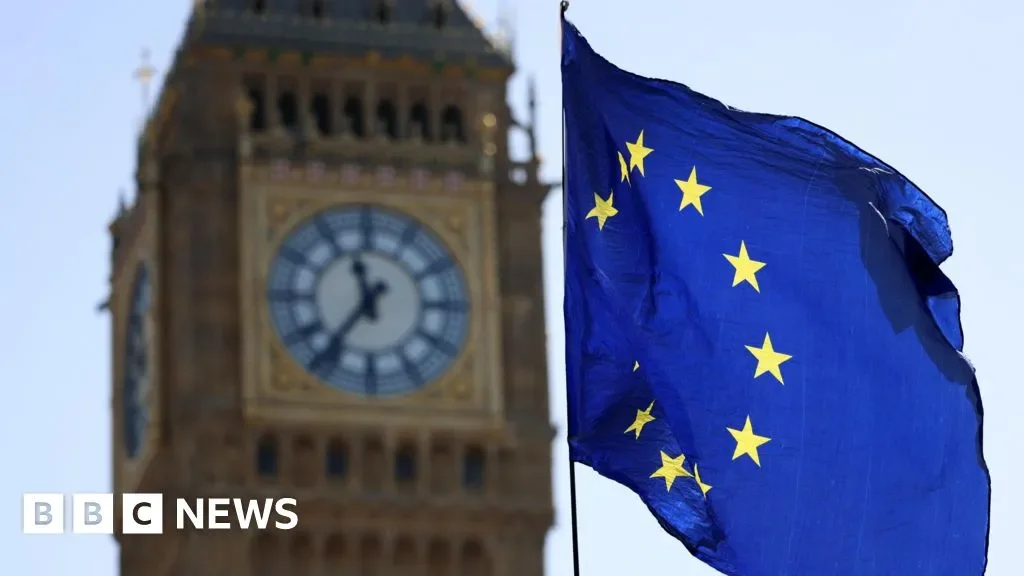
A decade following the United Kingdom's departure from the European Union, a complex recalibration of ties is underway. Recent developments indicate a distinct shift from the initial acrimony, with both sides engaging in dialogue and forging agreements on specific sectors. This period, marked by a lifting of the past few years' "Brexit omertà," sees a pragmatic, albeit cautious, approach to redefining the relationship. Discussions are actively centering on areas such as youth mobility, security, and energy markets, suggesting a desire for increased, albeit delineated, cooperation.
Key initiatives currently being pursued include:
Youth Mobility Scheme: A significant push is being made to establish an agreement facilitating easier travel for young people between the UK and EU. This initiative appears to be a less contentious pathway to warming relations, as it is not perceived to undermine existing trade agreements in the same way a customs union might.
Energy Market Integration: The UK has expressed keen interest in rejoining the EU's single electricity market. Furthermore, efforts are being made to link the UK's domestic emissions trading scheme to the EU's, a move partly driven by a desire to avoid the EU's carbon border tax.
Defense and Security Partnerships: A formal defense partnership has been established, representing a less controversial aspect of the renewed engagement. This pact, agreed upon at recent summits, aims to leave behind years of tension.
Shifting Sands of Diplomacy
The trajectory of UK-EU relations over the past ten years has been anything but static. Initially defined by the "less cooperation" framework of the Withdrawal Agreement and the Trade and Cooperation Agreement, the relationship appears to be moving towards a more engaged posture. The UK-EU bilateral summits have become venues for setting out avenues for closer ties, signaling a departure from the immediate post-Brexit focus on disentanglement. While the EU has largely moved past Brexit, the issue remains a persistent undercurrent in UK political discourse.
Read More: AFP Reviews War Crime Claims Against Australian in Gaza
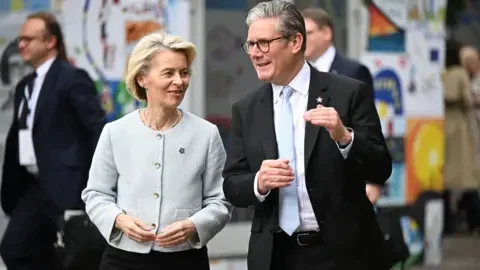
The current climate, described as a "unique political environment" for figures like Keir Starmer, suggests a willingness to explore deeper integration in select areas. Unlike the UK, where Brexit has remained a salient political topic, the EU has demonstrated a greater capacity to look forward. The mention of sector-by-sector agreements, exemplified by Switzerland's arrangement with the EU single market, provides a potential blueprint for future UK-EU arrangements.
Persistent Echoes of Division
Despite the recent diplomatic overtures, the fundamental schism of Brexit continues to cast a long shadow. The referendum's legacy is seen not just in economic shifts but also in the redefinition of national identity, leading to a "divided nation." The past decade has seen Brexit permeate cultural and political discourse, sometimes overshadowing other pressing issues and contributing to a landscape where identity politics have taken precedence over class-based concerns. The initial noise surrounding Brexit has subsided, giving way to a quieter, yet persistent, re-evaluation of its consequences and the future direction of the UK's international partnerships. Discussions regarding specific issues, such as fishing rights, and enduring concerns over financial contributions and legal jurisdiction, remain potent reminders of the complexities that continue to shape the ongoing dialogue.
Read More: Europe June 2026 heatwave caused 39 percent rise in Belgium deaths
Background:The UK officially left the European Union on January 31, 2020, following a referendum held in June 2016. The subsequent period has been characterized by the negotiation and implementation of withdrawal and trade agreements, establishing the parameters of the new relationship. The past decade marks the period since the referendum and the subsequent withdrawal process, during which the nature and extent of future UK-EU interactions have been a subject of continuous debate and adjustment.