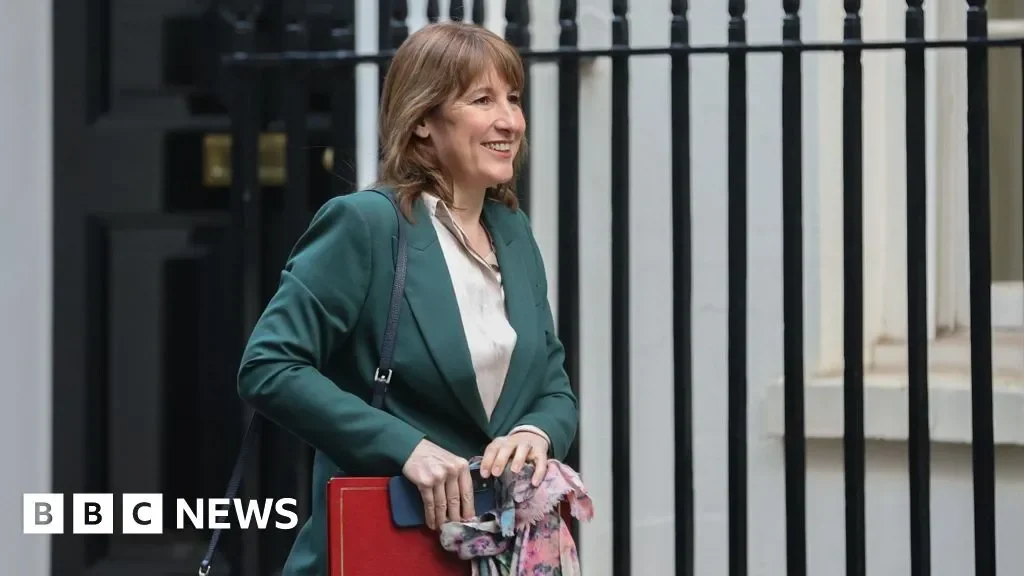
The United Kingdom's economy concluded 2025 with minimal growth, a performance that has prompted varied reactions from political figures and economic observers. While official data reveals a subdued finish to the year, Chancellor Rachel Reeves has expressed optimism for stronger growth in the period ahead, a stance met with both anticipation and skepticism. The observed economic trends and the chancellor's pronouncements set the stage for key policy decisions and ongoing debate about the nation's economic trajectory.
Economic Performance in Late 2025
Official figures released indicate that the UK economy experienced a slow end to 2025.
Quarterly Growth: In the final three months of the year, the economy grew by a mere 0.1%.
Services Sector: The services sector, a significant contributor to the UK economy, showed no growth during this period, marking its first flatlining in two years.
Manufacturing and Construction: The manufacturing sector provided a positive, albeit limited, boost to growth. In contrast, the construction industry continued to demonstrate weakness.
The economy narrowly avoided stagnation in the last quarter of 2025, with a near-flat performance driven by manufacturing but hampered by weakness in construction and a standstill in services.
Political and Economic Reactions
The release of these economic figures has drawn immediate responses from key political figures and representatives of the business community.
Read More: Labour Now Says Brexit Hurts UK Economy

Prime Minister Keir Starmer acknowledged the growth, stating, "our economy is growing," but also noted, "there's more to do" to alleviate the cost of living pressures on citizens.
Opposition Leader Kemi Badenoch characterized the situation critically, asserting that "our country is stuck in the slow lane."
Business groups, such as the British Chambers of Commerce, have called for additional government measures to help businesses manage costs, with their head of research, David Bharier, warning of a "persistent low growth trap."
Economist Jim O'Neill offered a somewhat more encouraging perspective, suggesting that the annual growth figure was "quite a bit higher" than many had predicted at the beginning of the year.
"Convincing consumers and businesses that they should shake off the winter blues will be critical to the government's growth mission." - ONS Director of Economic Statistics, Liz McKeown
Factors Influencing Economic Activity
Several factors appear to have contributed to the observed economic conditions.
Budget Uncertainty: Uncertainty surrounding the government's budget, particularly expectations about potential tax increases, is cited as a reason for businesses and consumers adopting a "wait-and-see" approach, thereby limiting investment and spending. Economists pointed to expectations that Chancellor Rachel Reeves might increase income tax levels, though the actual tax rises were more modest than some anticipated.
External Forecasts: International bodies have also weighed in on the UK's economic outlook. The International Energy Agency (IEA) has reduced its forecast for global oil demand growth this year. Earlier in the year, the International Monetary Fund (IMF) had predicted a surge in UK inflation and had forecast higher growth for the current year but a reduction for 2026, citing concerns about the labor market.
Uncertainty about the upcoming budget and potential tax changes appears to have dampened business investment and consumer spending towards the end of 2025.

Chancellor's Outlook and Challenges
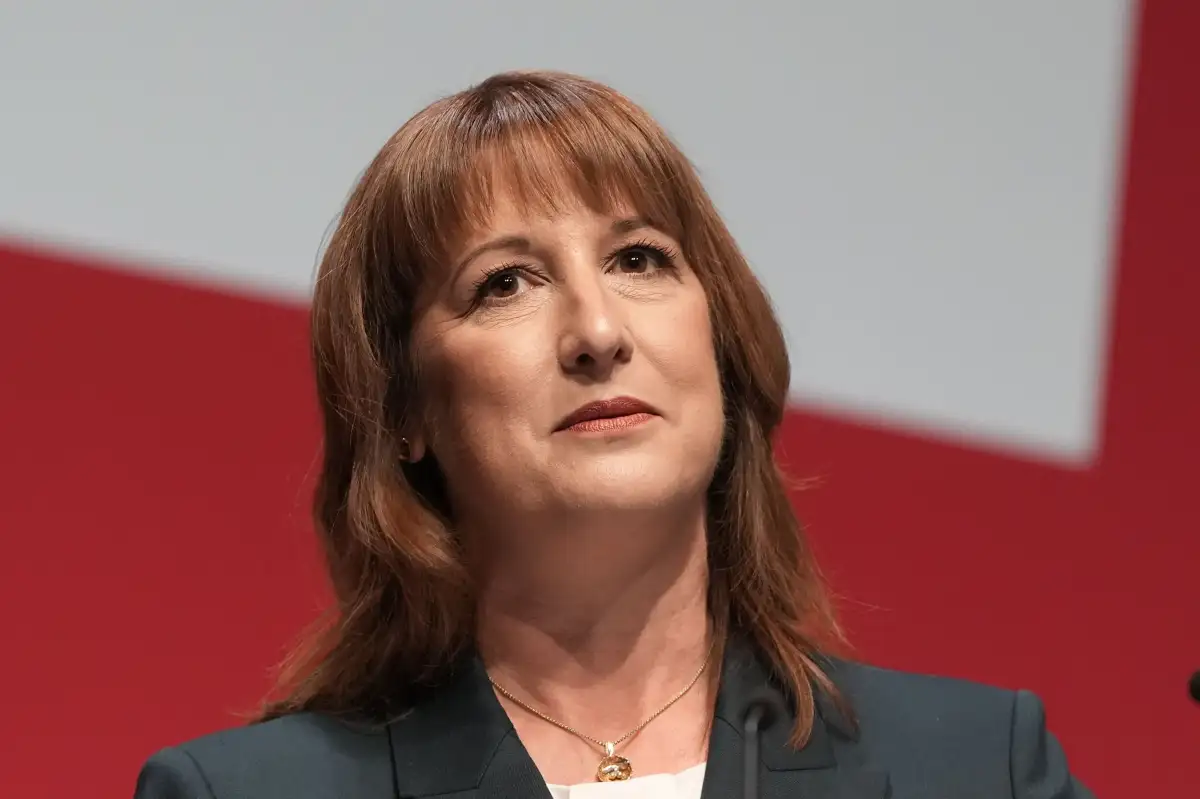
Chancellor Rachel Reeves has projected a more optimistic outlook for the UK economy in the coming year, despite the subdued end to 2025.
Prediction of Stronger Growth: Ms. Reeves has predicted "stronger growth this year," suggesting an expectation of economic improvement.
Policy Dilemma: The muted growth figures present a challenge for Ms. Reeves as she prepares for future budgetary decisions. Faltering growth complicates efforts to address the nation's financial deficits, potentially increasing pressure for tax hikes and spending cuts.
Budgetary Pressures: The need to balance public finances while stimulating economic activity poses a significant challenge. Large-scale fiscal consolidation measures, as might be required, could potentially impede economic expansion if not carefully managed.
"Chancellor facing further Budget challenges after muted economic growth." - Headline from The Independent
Expert and Analyst Perspectives
Various analysts and experts have offered their views on the UK's economic situation and future prospects.

Downgraded Growth Outlooks: In the earlier part of 2025, leading economic forecasters downgraded their predictions for UK growth, indicating that the economy was expected to improve more slowly than previously anticipated. This followed a period of stagnant GDP in the latter half of 2024.
"Doom Loop" Concerns: Some commentary has raised concerns about the UK economy being caught in a "doom loop," where weak growth and fragile confidence could be exacerbated by fiscal consolidation measures.
Interest Rate Expectations: A Deputy Governor of the Bank of England has indicated that it is "reasonable to expect" interest rates to be cut again in the upcoming meetings, suggesting a potential easing of monetary policy.
Forecasters had previously lowered growth expectations for the UK, highlighting persistent business pressures and potential wage increases. The Bank of England's stance on interest rates suggests a move towards monetary easing.
Conclusion and Implications
The UK economy’s performance at the close of 2025 presents a complex picture. While the economy avoided contraction, growth was minimal, primarily due to weakness in the services and construction sectors, even as manufacturing offered some support. Political reactions highlight a division in the assessment of the situation, with the government expressing cautious optimism and the opposition criticizing the lack of robust growth.
Read More: FIFA World Cup 2026 Revenue Reaches $15 Billion With New Ticket Prices
The chancellor's prediction of stronger growth in the near future will be closely watched, particularly in light of past downgrades in economic forecasts and the ongoing challenges of balancing public finances with the need to stimulate economic activity. The influence of budget uncertainty on business and consumer confidence remains a significant factor. Furthermore, indications from the Bank of England about potential interest rate cuts suggest a shift in monetary policy might be anticipated. The effectiveness of future government policies in navigating these economic currents and achieving sustained growth will be a critical focus in the period ahead.
Sources Used:
Associated Press: https://apnews.com/article/britain-economy-growth-8ae8177a162890b47cd4b02d0d29a6c4
The Independent: https://www.independent.co.uk/news/business/gdp-rachel-reeves-ons-chancellor-budget-b2846392.html
The Guardian (Analysis): https://www.theguardian.com/business/2025/nov/13/amid-disappointing-uk-growth-how-can-rachel-reeves-escape-the-doom-loop