


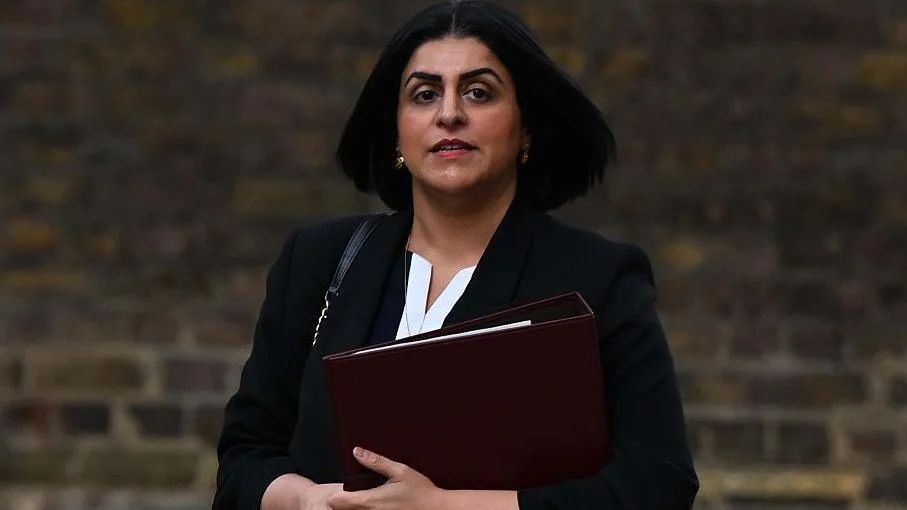
London is leveraging its visa system as a coercive tool, compelling three African nations – Namibia, Angola, and the Democratic Republic of Congo (DRC) – to accept the return of their citizens deemed by the UK to be "illegal migrants" or "foreign offenders." The stark reality is that these countries, facing the prospect of their citizens being denied entry or facing significant visa hurdles to the UK, have capitulated. Home Secretary Shabana Mahmood has explicitly stated that nations refusing cooperation can no longer expect a "normal visa relationship." This aggressive diplomatic maneuver signals a new, punitive chapter in the UK's immigration enforcement strategy, raising serious questions about sovereignty, fairness, and the ethical implications of weaponizing visa policies.
The Shadow of Visa Sanctions: A New Diplomatic Tactic
The recent agreements with Namibia, Angola, and the Democratic Republic of Congo (DRC) did not arise from mutual consent or humanitarian considerations. Instead, they are the direct result of threats from the UK Home Secretary, Shabana Mahmood. The core of this coercion lies in the UK's potent control over its visa issuance. For countries like Namibia and Angola, the threats of visa penalties were enough to secure their agreement in December. The DRC, however, required a more direct demonstration of UK resolve.
Read More: Trump Disagrees with Federalist Society, Judge Stops His Courtroom Talk

DRC's Reluctant Compliance: The Home Office announced on Friday that the DRC had finally agreed to cooperate. This came after Mahmood had already begun implementing punitive visa measures.
Targeted Sanctions: VIPs and decision-makers from the DRC were stripped of preferential visa treatment.
Revoked Fast-Track Visas: Fast-track visa processing for DRC nationals was also revoked.
Broader Threat: Mahmood has made it clear that countries unwilling to accept the return of their citizens will face consequences. This includes an "emergency brake" on visas for nations with high asylum claims, pending their compliance with return policies.
"Countries which refuse to work with the UK on returns cannot expect a normal visa relationship." - Shabana Mahmood, Home Secretary
The Numbers Game: A Disproportionate Threat?
While the UK government frames these deals as a victory for border control, the reported numbers paint a different picture. The Home Office suggests these agreements will facilitate the removal of up to 3,000 individuals from the UK. However, the news reports also acknowledge that the DRC, Angola, and Namibia account for only a "handful of people detected entering Britain through irregular routes." This raises a critical question:
Read More: ICC Wants Cricket Leaders to Talk During India-Pakistan Match
Is the UK using an outsized threat of visa sanctions for a relatively small number of individuals?
What is the real scale of the "problem" the UK is trying to solve with such forceful tactics?
Does this represent a genuine immigration crisis, or is it a politically motivated display of control?
The disparity between the severity of the diplomatic pressure and the purported number of individuals to be returned suggests that the UK's motivation might extend beyond practicalities. It appears to be a forceful assertion of its will on the international stage, using its economic and social leverage through visa access.
A Pattern of Coercion: Visa Power as a Stick
This is not an isolated incident but rather a deliberate strategy. The agreements with these three African nations are part of a broader UK government crackdown on irregular migration. The underlying principle is simple: cooperation on migrant returns is now directly linked to the ease with which a country's citizens can access the UK.
Read More: Lawmakers Question Attorney General Bondi on Epstein Files
| Country | Initial Compliance | Home Secretary's Action (DRC) | Status of Agreement |
|---|---|---|---|
| DRC | No | VIPs/Decision-makers stripped of preferential visa treatment; fast-track visas revoked | Agreed |
| Angola | Agreed (December) | Threat of visa penalties | Agreed |
| Namibia | Agreed (December) | Threat of visa penalties | Agreed |
The UK government's position is clear:
"Officials confirmed that the UK is now prepared to systematically restrict visa access, including priority services for diplomats and officials, as a means of compelling compliance on deportations."
This systematic restriction of visa access transforms the visa system from a tool of international engagement into a coercive instrument of state policy.

Ethical Quagmires and Sovereignty Concerns
The UK's approach raises profound ethical and legal questions.
Is it ethical for a wealthy nation to leverage visa access, a privilege, to compel poorer nations to accept back individuals who may have complex circumstances?
What assurances are there that the individuals being returned are being treated fairly and with due process in their home countries?
Does this strategy undermine the sovereignty of these African nations by forcing their hand under duress?
How does this tactic align with international norms of diplomacy and cooperation, particularly concerning the rights of migrants and asylum seekers?
Read More: Ships in [Name of Waterway] Have Close Call; Nations Blame Each Other
Past incidents involving pressure on countries to accept deportations often involve complex negotiations and can be fraught with humanitarian concerns. However, the explicit threat of visa penalties, as seen here, marks a particularly aggressive stance. It effectively turns international relations into a transactional exchange where essential freedoms of movement are held hostage.

Expert Analysis: A "Sharper Turn" in Diplomacy
Analysts and commentators are noting a distinct shift in the UK's approach to migration diplomacy. Africa Briefing describes the agreements as underscoring "a tougher phase in Europe–Africa migration diplomacy, where visa access is increasingly used as leverage rather than incentive." This suggests a move away from collaborative solutions towards more confrontational tactics.
Leverage, Not Incentive: Visa access is no longer a benefit offered for cooperation but a weapon wielded to enforce compliance.
"Deportation Leverage Becomes Policy Tool": The UK government explicitly views the threat of visa restrictions as a core component of its immigration enforcement strategy.
Lack of Credibility Without Removals: Home Secretary Mahmood argues that without effective removals, the UK's border control measures lack credibility. This justification, however, does little to soften the impact of the coercive tactics employed.
Conclusion: The Price of Passage
The deals struck with Namibia, Angola, and the DRC reveal a UK government determined to enforce its will on migrant returns, regardless of the diplomatic cost. By weaponizing visa access, the UK is signaling a willingness to disrupt normal diplomatic relations and impose significant inconveniences on citizens and officials of recalcitrant nations. While the government claims these measures are necessary for effective border control, the method employed – explicit threats of visa sanctions – raises serious concerns about fairness, international relations, and the human cost of such coercive policies.
Read More: Congress Leader Accuses Finance Minister of Lying to Parliament About WTO Deal
The question that lingers is whether this tactic, while perhaps yielding short-term compliance, will foster long-term trust and cooperation between the UK and these African nations. Or will it simply breed resentment and further complicate the already intricate web of global migration challenges? The future implications of this punitive approach to international diplomacy remain to be seen, but the immediate impact is clear: access to the UK is now inextricably linked to a country's willingness to accept back its citizens, as defined and dictated by London.
Sources:
The Independent: https://www.independent.co.uk/news/uk/home-news/migrant-returns-africa-uk-visa-b2915198.html
Evening Standard: https://www.standard.co.uk/news/politics/uk-visas-shabana-mahmood-home-office-democratic-republic-of-congo-b1269867.html
Daily Mail: https://www.dailymail.co.uk/news/article-15534349/Three-African-countries-agree-foreign-criminals-illegal-migrants-Shabana-Mahmood-visa-threat.html
Africa Briefing (via AOL): https://africabriefing.com/uk-forces-migrant-return-deal-with-angola-namibia/
Read More: India and US Agree on Trade Deal After Tariff Fights

)


