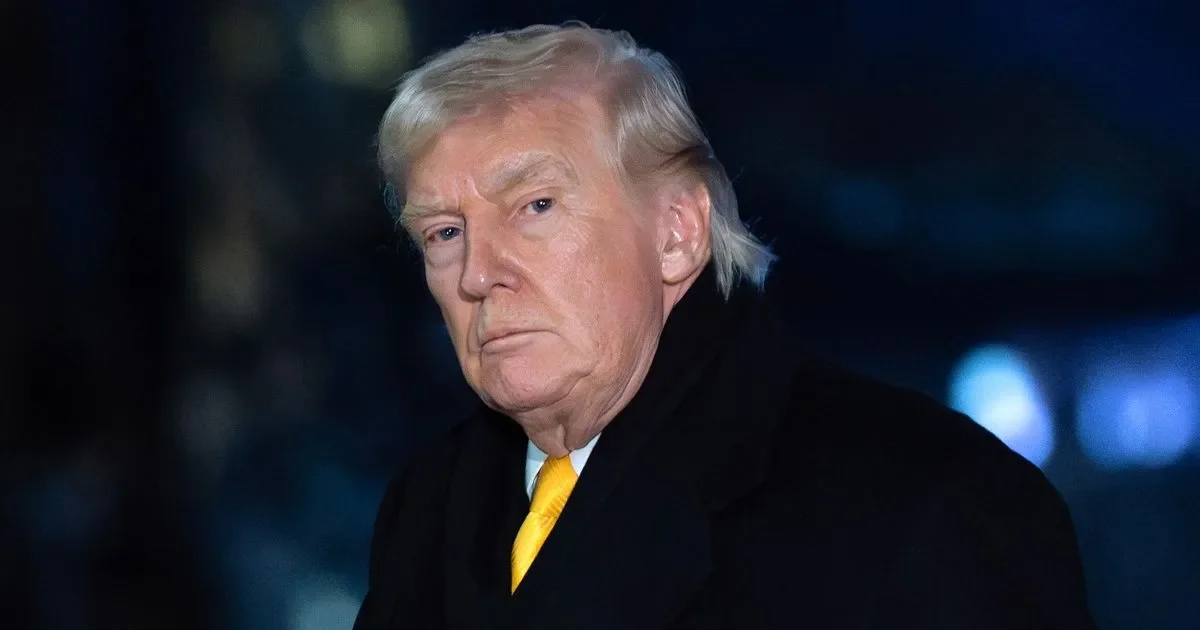
A senior Trump administration official has been actively engaging with far-right political figures across Europe, sparking debate about the influence of US policy on the continent's political landscape. These interactions come as Europe's far-right parties express admiration for Donald Trump's political style and policies, aiming to adopt a similar approach to governance. The situation is complex, with differing views on the implications of this engagement for democratic norms and international relations.
Transatlantic Political Alignment
Recent events suggest a deepening connection between certain elements within the US government under the Trump administration and the burgeoning far-right movements in Europe. This engagement is not solely one-sided; European far-right leaders openly praise Donald Trump and appear to draw inspiration from his political victories.

The Alternative für Deutschland (AfD) parliamentarian Markus Frohnmaier documented a meeting with Sarah B. Rogers, identified as a senior Trump official, on December 13th. Rogers' role has been described as a public face for the administration's stance towards European liberal democracies.
Jacob Helberg, a US under secretary of state for economic affairs, has been identified as a direct link to France's far-right. His background, including being a native French speaker, underscores a personal connection that could facilitate diplomatic outreach.
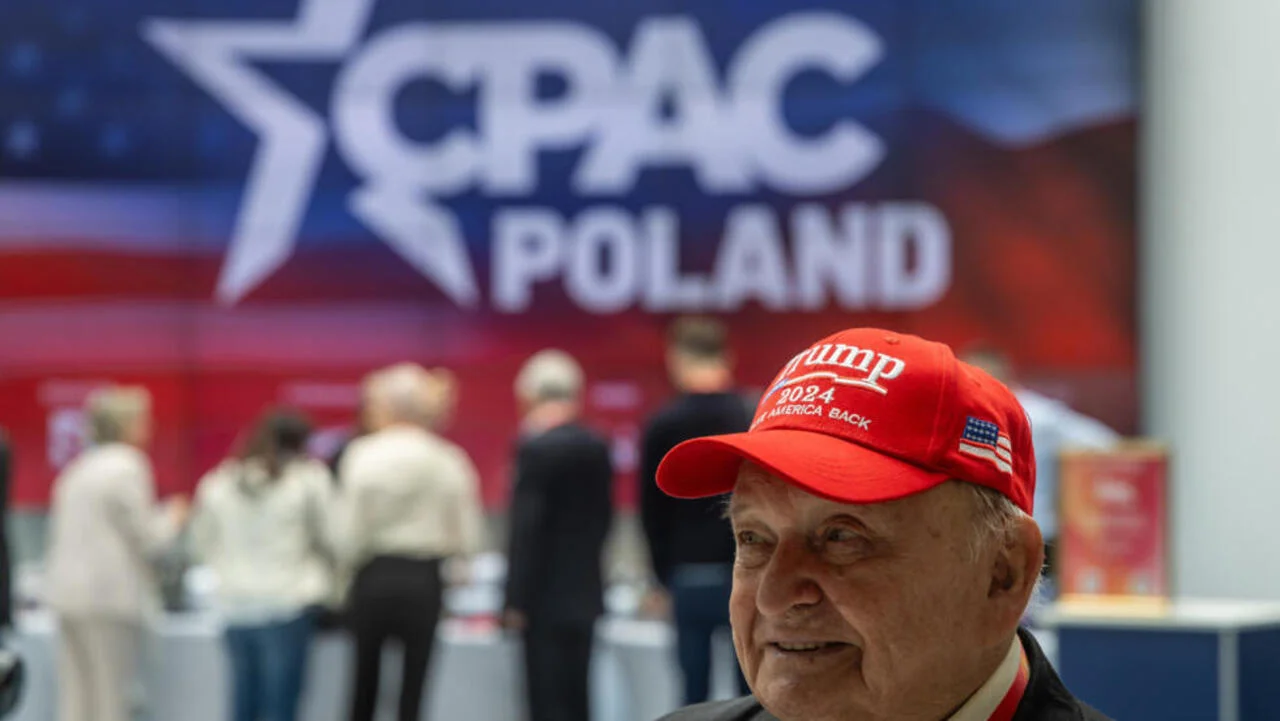
European far-right leaders, including Viktor Orban of Hungary, Matteo Salvini of Italy, Marine Le Pen of France, and Santiago Abascal of Spain, have convened at events like the Patriots for Europe summit in Madrid. During these gatherings, they have praised Donald Trump and articulated goals such as "Make Europe Great Again."
Far-Right Aspiration and US Policy
Europe's far-right parties are articulating ambitious goals, mirroring a nationalist and anti-establishment platform that resonates with the "America First" rhetoric. Their agenda often includes:
Read More: MDMK Wants More Seats to Get Official Recognition
Scrapping green policies and challenging European Union regulations.
Combating illegal immigration and strengthening border controls.
Opposing gender and family diversity, and fighting what they term "population replacement."
A desire to dismantle or reduce the power of Brussels and EU governance.
The Trump administration's National Security Strategy, released in December, has been cited as a key document in this evolving relationship. It reportedly identified supporting nationalist parties on the continent as a significant element of US foreign policy. This suggests a deliberate strategy to bolster these movements.

"The Trump administration has a vested interest in strengthening anti-democratic movements abroad, as doing so helps advance its own agenda while lending legitimacy to these actors and their activities." - Léonie de Jongea, professor of research on far-right extremism at the University of Tübingen.
Economic Strains and Political Unity
Despite the apparent political alignment, economic issues have presented a point of contention. Donald Trump's plans concerning Greenland and threats of imposing tariffs on European imports have met with criticism from some European far-right leaders.
Read More: ICC Wants Cricket Leaders to Talk During India-Pakistan Match
Far-right leaders in Germany, Italy, and France reportedly criticized Trump's Greenland ambitions.
However, figures like Matteo Salvini and Santiago Abascal have downplayed the threat of US tariffs, characterizing EU taxes and regulations as more significant dangers to European prosperity.
This suggests a nuanced relationship where political solidarity does not always translate into complete agreement on economic matters.

"Trump’s contempt for mainstream institutions stopped being tactical and became a governing identity." - Georgios Samaras, lecturer in public policy at King's College London.
Divergent Perspectives on Influence
Experts and analysts offer differing interpretations of the significance and implications of these connections.
US Strategy and European Nationalism
Some observe that the US, under the Trump administration, appears to be actively cultivating relationships with European far-right groups.
Sarah B. Rogers has reportedly criticized prosecutions related to hate speech and disinformation on US big tech platforms, indicating a stance that aligns with concerns voiced by some far-right actors.
Charles Kushner, US Ambassador and father of Jared Kushner, has been open about the Trump administration's sympathies towards these European parties.
The overarching goal appears to be strengthening movements that challenge established liberal democratic norms and institutions.
European Far-Right Agency
Others emphasize that European far-right parties are independent actors who strategically align themselves with Trump's broader political appeal.
Read More: Gen Z's Big Test: Can Young Voters Change Bangladesh?
Leaders like Marine Le Pen and Jordan Bardella in France, and Alice Weidel in Germany, are working to channel their euroskepticism without appearing to solely follow Trump's directives.
The success of these European leaders in leveraging their nationalist platforms may depend on their ability to maintain an independent image while benefiting from the perceived Trump wave.
The rally in Madrid showcased a desire to "reconquer" the continent under a banner of conservative governance, directly influenced by the "Make Europe Great Again" slogan.
Conclusion and Implications
The reported engagements between a senior Trump administration official and Europe's far-right, coupled with the open admiration from European leaders for Donald Trump, point to a significant transatlantic political dynamic. This relationship appears to be built on shared ideological ground, particularly concerning nationalism, immigration, and a skepticism of established European institutions.
Read More: Ships in [Name of Waterway] Have Close Call; Nations Blame Each Other
Key Actors: Sarah B. Rogers (US official), Jacob Helberg (US official), Markus Frohnmaier (AfD, Germany), Viktor Orban (Hungary), Matteo Salvini (Italy), Marine Le Pen (France), Santiago Abascal (Spain).
Core Issues: Strengthening of nationalist movements, challenge to liberal democratic norms, shared political rhetoric, potential economic friction.
Areas for Further Investigation: The precise nature and extent of official US policy in supporting these European movements, and the long-term impact on both transatlantic relations and domestic politics within European nations.
The dynamic suggests that the US political landscape under the Trump administration may be actively influencing and being influenced by the rise of far-right politics in Europe, creating a complex web of ideological and strategic alliances.
Sources
The Guardian: "Senior Trump official extends a hand of friendship to Europe’s far right" - Published: February 11, 2026. https://www.theguardian.com/us-news/2026/feb/11/sarah-b-rogers-trump-europe-far-right
Context: Provides specific details on meetings between US officials and European far-right figures, alongside expert analysis.
Politico: "Looking at Trump, Europe’s far right vows to ‘reconquer’ the continent" - Published: February 8, 2025. https://www.politico.eu/article/looking-at-trump-europes-far-right-vows-to-reconquer-the-continent/
Context: Reports on a rally of European far-right leaders in Madrid, highlighting their alignment with Trump's political agenda and their shared objectives.
NPR: "Europe's far-right leaders applaud Trump and downplay threat of possible U.S. tariffs" - Published: February 9, 2025. https://www.npr.org/2025/02/09/g-s1-47462/europe-far-right-leaders-meeting
Context: Details the participation of prominent European far-right leaders at a summit, their praise for Trump, and their views on potential US economic actions.
News Sky: "Trump-style victory the aim for Europe's far-right as leaders praise US president at Madrid conference" - Published: February 8, 2025. https://news.sky.com/story/trump-style-victory-the-aim-for-europes-far-right-as-leaders-praise-us-president-at-madrid-conference-13305562
Context: Covers the Madrid conference where European far-right leaders expressed admiration for Trump's election and sought to emulate his success.
The Globe and Mail: "Opinion: Europe’s far right suddenly has a Trump problem" - Published: January 29, 2026. https://www.theglobeandmail.com/opinion/article-europe-far-right-trump-meloni-le-pen-farage/
Context: Discusses the strategic alignment between the European far-right and the White House, referencing the US National Security Strategy.
Le Monde: "Jacob Helberg, Trump's direct link to France's far right" - Published: February 8, 2026. https://www.lemonde.fr/en/m-le-mag/article/2026/02/08/jacob-helberg-trump-s-direct-link-to-france-s-far-right6750263117.html
Context: Investigates the role of a specific US official as a conduit to the French far-right.
AP News: "Trump’s Greenland ambitions strain MAGA ties with Europe's far-right" - Published: February 11, 2026. https://apnews.com/article/trump-greenland-europe-far-right-maga-c6b44e151d81e990129c2d58ab0ee192
Context: Explores the tensions arising from Trump's policies, such as those regarding Greenland, and how they impact relationships with European far-right leaders.
RFI: "From Washington to Warsaw: how MAGA influence is reshaping Europe’s far right" - Published: July 19, 2025. https://www.rfi.fr/en/international/20250719-from-washington-to-warsaw-how-maga-influence-is-reshaping-europe-s-far-right
Context: This source is noted as having low priority and insufficient content for extraction.
Orf.org: "A Moment of Truth for Europe’s Far-Right" - Published: April 19, 2025. https://www.orfonline.org/expert-speak/a-moment-of-truth-for-europe-s-far-right
Context: This source is noted as having low priority and insufficient content for extraction.
Read More: Minister Asks to Stop Firing Top Civil Servant While New Papers Come Out

)