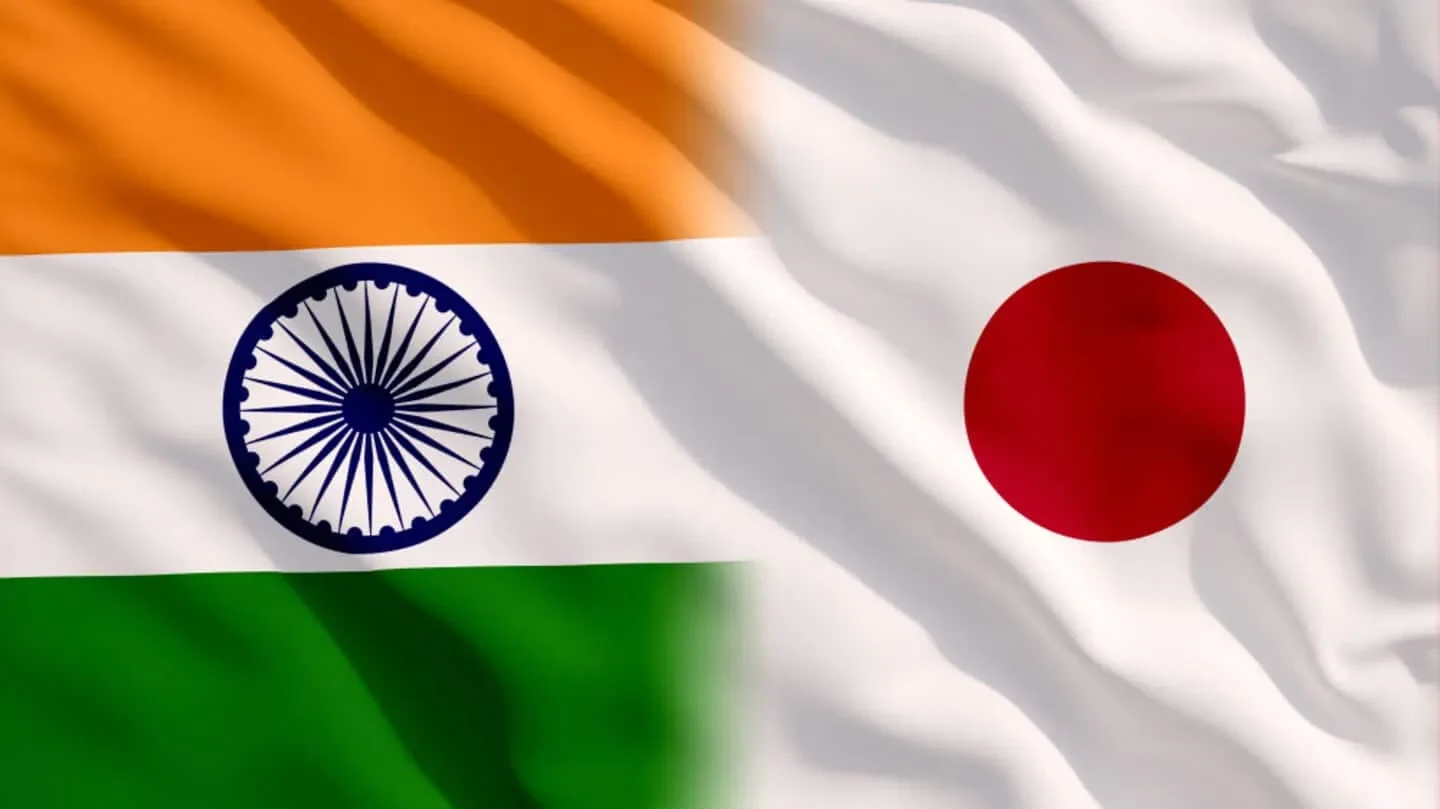
A recent agreement between Indian Prime Minister Narendra Modi and US President Donald Trump to reduce tariffs on Indian goods has sparked varied reactions. While framed as a breakthrough, the deal follows a contentious period marked by escalating tariffs, trade disputes, and differing geopolitical stances. The specifics of the agreement, particularly concerning the removal of punitive tariffs tied to India's energy imports, remain a subject of keen observation.
Shifting Trade Landscape: From Friction to Accord
The announcement of a trade deal between India and the United States on February 3, 2026, signals a significant shift in the bilateral economic relationship. This development comes after a prolonged period of escalating trade tensions throughout 2025.
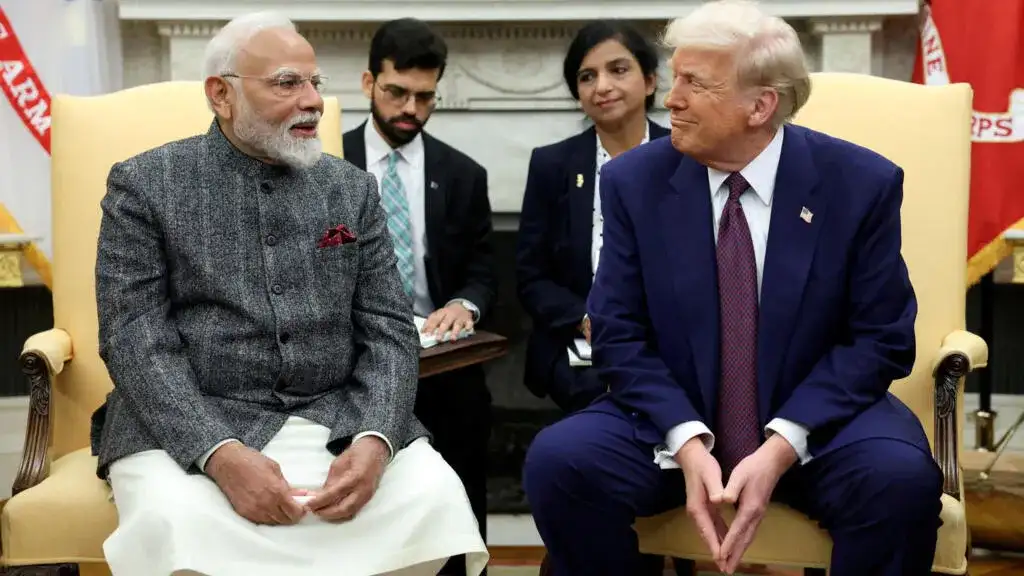
Initial Tariffs: In August 2025, the Trump administration imposed steep tariffs on Indian imports, reportedly reaching 50 percent on certain goods like jewelry, shrimp, and clothing. These measures were seen as punitive and impacted both Indian exports and US consumers.
Escalation: The tariffs were further increased in early August 2025, intensifying the trade friction.
Geopolitical Undercurrents: A key point of contention appears to have been India's continued purchase of Russian crude oil despite Western sanctions on Moscow following the Ukraine war. Washington had repeatedly voiced its displeasure, linking tariff penalties to these energy imports.
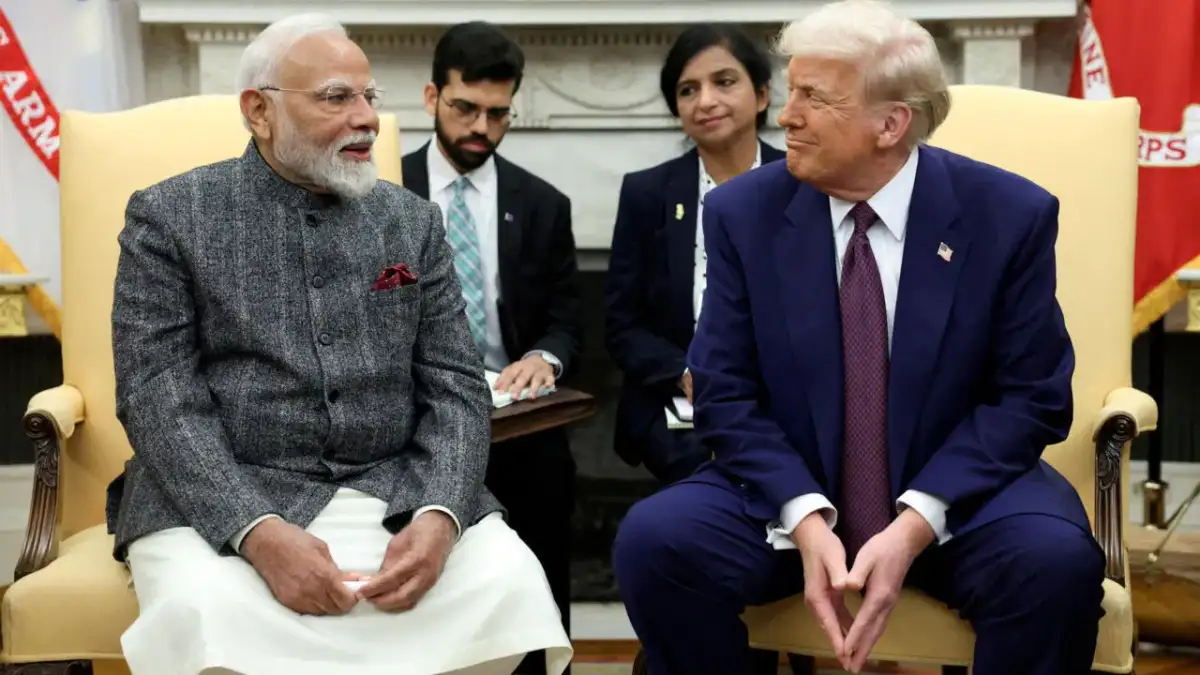
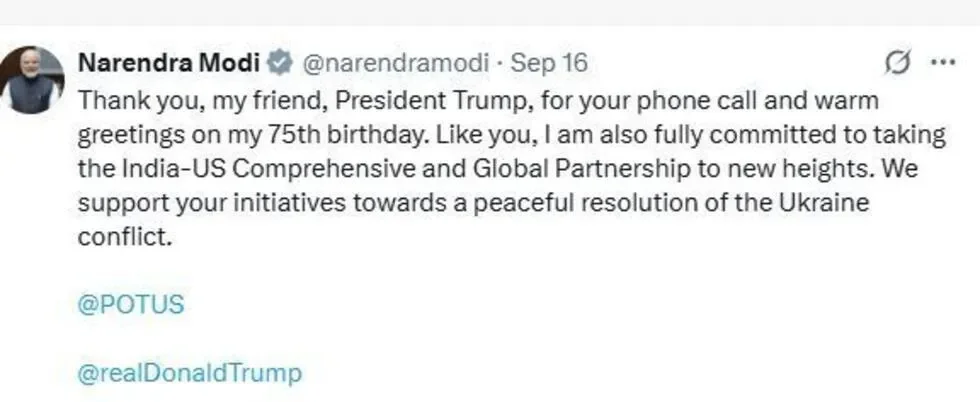
The Breakthrough: The recent trade pact, which reportedly lowers US tariffs on Indian goods from 50 percent to 18 percent, emerged after a direct phone call between Prime Minister Modi and President Trump.
Behind the Diplomatic Shift
The sudden softening of the US stance, moving from sharp criticism and tariff threats to a trade deal and praise for Prime Minister Modi, has surprised many.
Read More: US May Add Tariffs on Australian Goods Due to Forced Labour
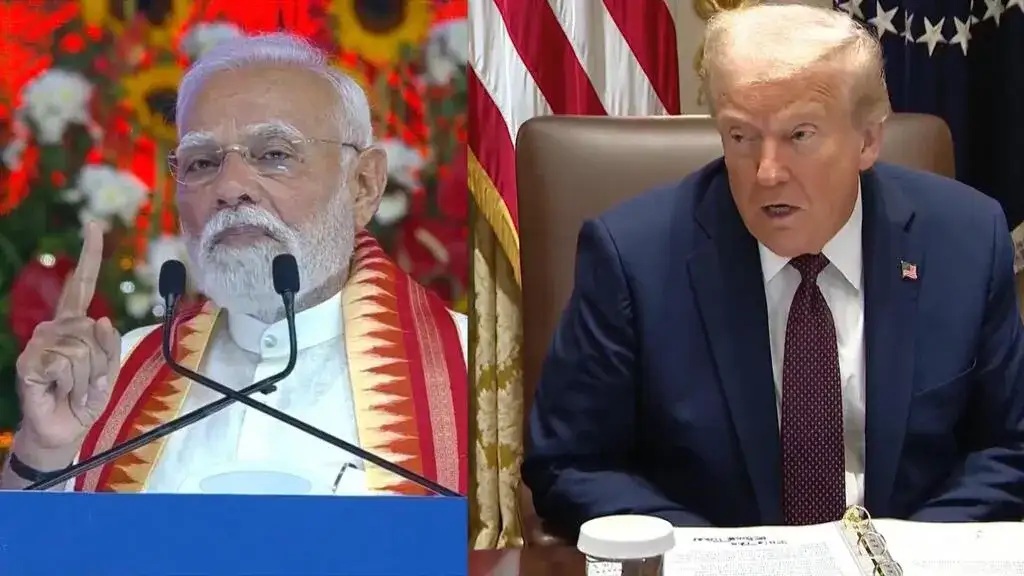
Trump's Stated Rationale: President Trump indicated that the deal was reached after Prime Minister Modi agreed to cease purchasing Russian oil. This suggests a quid pro quo, where India's energy policy played a pivotal role in the trade negotiations.
India's Negotiating Position: Reports suggest that Prime Minister Modi maintained a firm approach to the US tariffs, relying on India's international standing rather than overt flattery of the US president. This steadfastness may have influenced the eventual compromise.
Expert Observations: Geopolitical expert Ian Bremmer noted a perceived difference in the leaders' popularity, with President Trump reportedly being less popular than Prime Minister Modi. This dynamic may have factored into the diplomatic exchanges.
Key Provisions and Lingering Questions
While a trade deal has been announced, certain details and their long-term implications are still under scrutiny.
Tariff Reductions: The US has agreed to reduce tariffs on Indian goods to 18 percent. This marks a substantial decrease from the earlier 50 percent.
Defense Cooperation: Alongside trade, discussions also covered strengthening defense ties, with proposals for increased US military sales to India, including potential F-35 stealth fighter jets.
Immigration Accord: An agreement was also reached on immigration, with India agreeing to take back its citizens residing illegally in the US. This follows a recent instance where India accepted the return of 104 migrants via a US military plane.
Uncertainty: Despite the announcement, questions remain about the precise timeline for the complete resolution of all trade concerns and the future trajectory of US-India trade relations.
Analysis of Economic and Political Factors
The recent trade agreement between India and the United States is the result of a complex interplay of economic pressures, geopolitical considerations, and personal diplomacy between the two leaders.
Impact of Tariffs: The initial 50 percent tariffs imposed by the US not only affected Indian exports but also led to increased costs for American consumers, indicating a mutual economic impact. India's firm stance against these tariffs, coupled with its growing international influence, appears to have been a crucial factor in pushing for a revised agreement.
Energy as a Leverage Point: The conditionality tied to India's purchase of Russian oil highlights the strategic importance of energy security for India and the US's efforts to isolate Russia economically. The agreement suggests a potential shift in India's energy procurement strategy, a development that warrants continued monitoring.
Leader-Centric Diplomacy: The breakthrough appears to have been facilitated by direct engagement between Prime Minister Modi and President Trump. This highlights the significant role that leader-level interactions can play in resolving complex bilateral issues, particularly in the current geopolitical climate.
Conclusion and Future Outlook
The announcement of the India-US trade deal represents a significant development, moving past a period of considerable economic friction. The agreement addresses tariff reductions and includes provisions for enhanced defense cooperation and immigration policy. However, the full scope of the agreement and its long-term sustainability will depend on the effective implementation of its clauses. The decision to link trade concessions to India's energy imports and geopolitical alignments underscores the intricate relationship between economic policy and international relations. Future developments will reveal the extent to which this "breakthrough" solidifies a more stable and mutually beneficial trade partnership.
Read More: AFP Reviews War Crime Claims Against Australian in Gaza
Sources:
Al Jazeera: https://www.aljazeera.com/news/2026/2/3/modi-trump-announce-india-us-trade-deal-what-we-know-and-what-we-dont
India Today: https://www.indiatoday.in/india/story/india-us-trade-deal-tariffs-donald-trump-change-of-heart-pm-modi-2862353-2026-02-03
France 24: https://www.france24.com/en/asia-pacific/20250919-modi-s-firm-approach-to-punitive-us-tariffs-could-turn-the-tables-on-trump
Hindustan Times: https://www.hindustantimes.com/india-news/indiaus-trade-deal-follows-a-tense-12-months-of-tariffs-oil-disputes-and-stalled-talks-a-timeline-101770096244129.html
Associated Press (via Bing): https://apnews.com/article/india-us-modi-trump-16ee5c65b972f5ae16acb413313d36b0