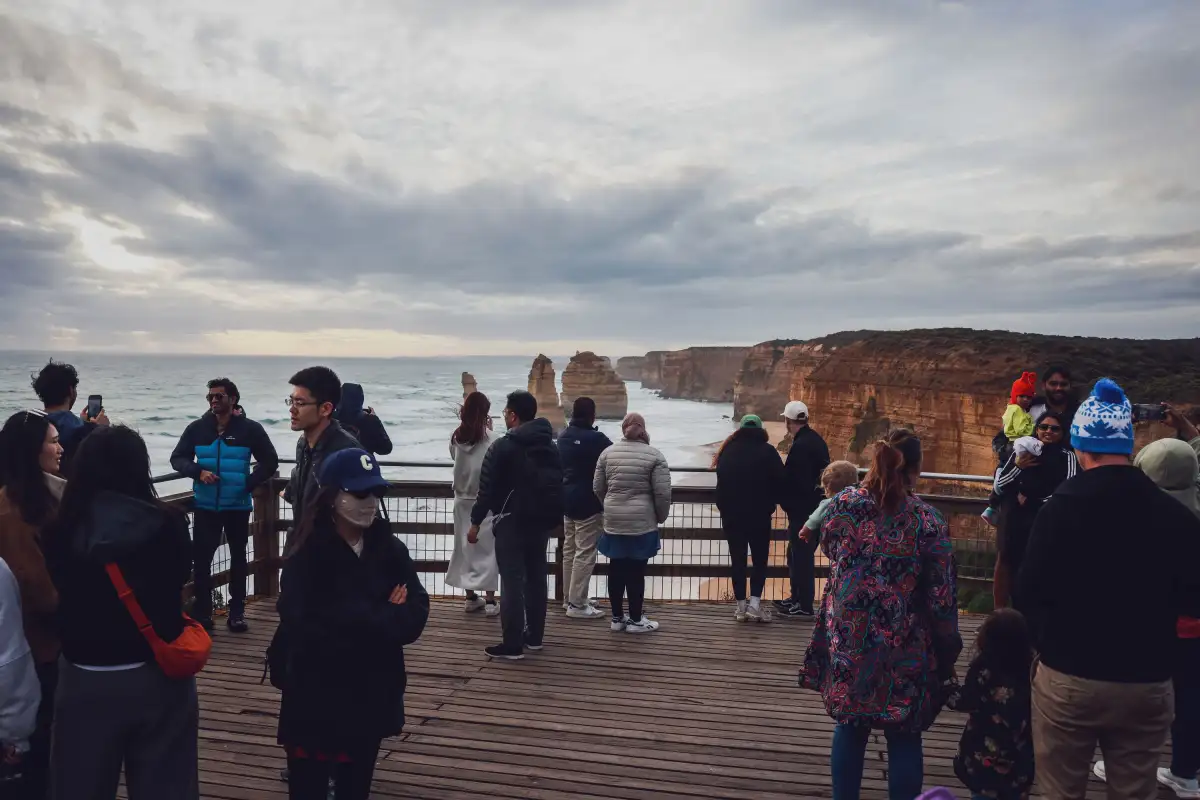
Victoria's famed 'Twelve Apostles' will soon require a fee for access, introducing a booking system to manage crowds and parking. This marks a significant shift for the popular natural attraction, transforming it into a paid destination for the first time.
Local residents and members of the Eastern Maar Indigenous community will be exempt from the new charge. The Victorian government plans to announce the details, but the move follows calls from tourism bodies for a "user-pays" model.
Crowds and Infrastructure Concerns Drive Fee
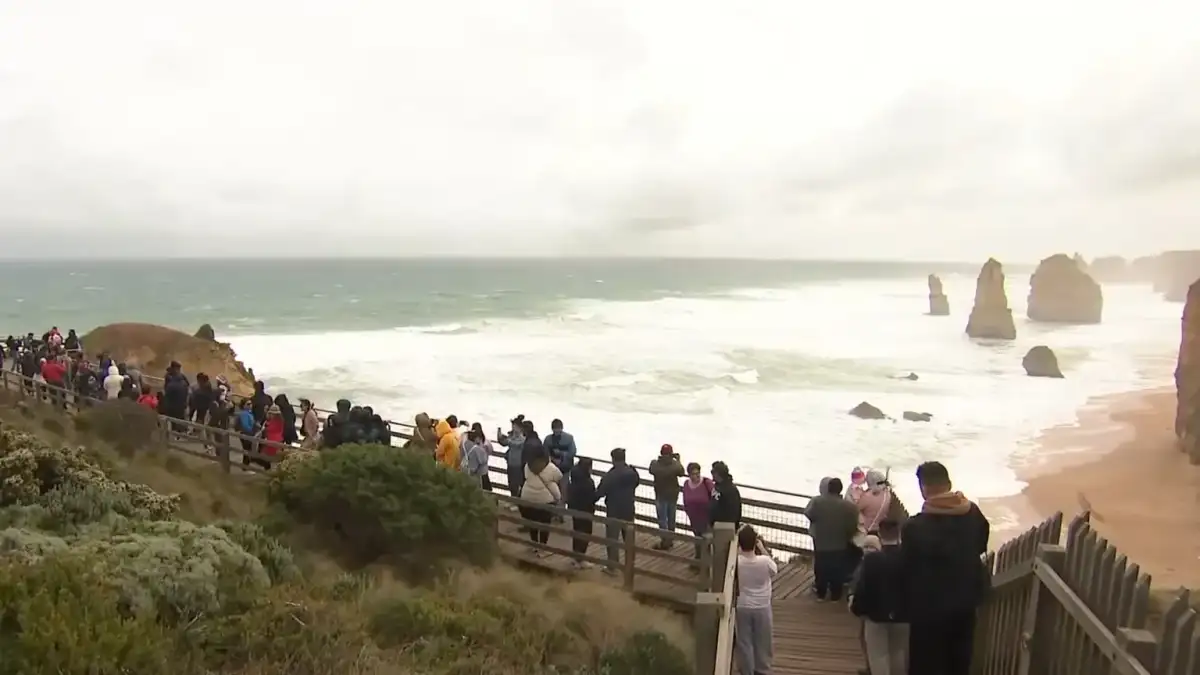
The imposition of an entry fee and a visitor booking system aims to address mounting pressure on the site. Currently, single-lane roads and roadside parking create safety hazards, with officials noting that the infrastructure was not designed for such high visitor numbers.
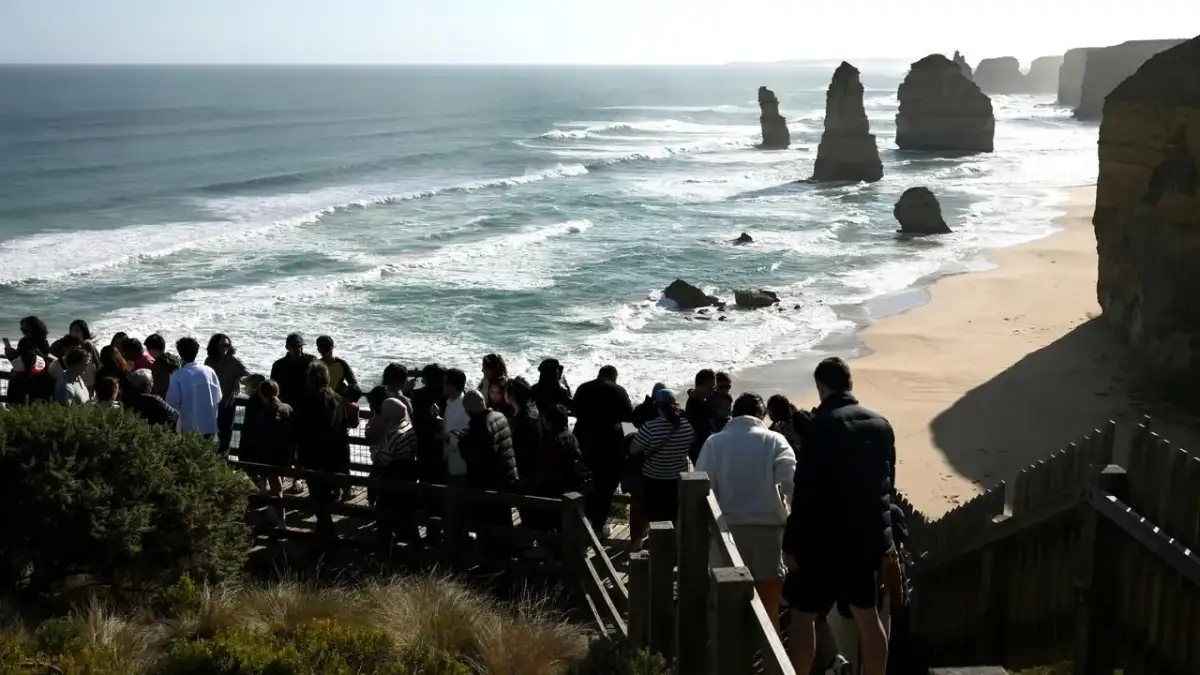
A booking system will manage visitor numbers and secure parking during busy periods.
Fees are intended to control crowd sizes and prevent incidents.
The revenue generated will contribute to the upkeep of the recently built visitor centre.
Around the globe, high-demand natural attractions commonly employ ticketing, booking systems, or parking fees to manage visitor flow.
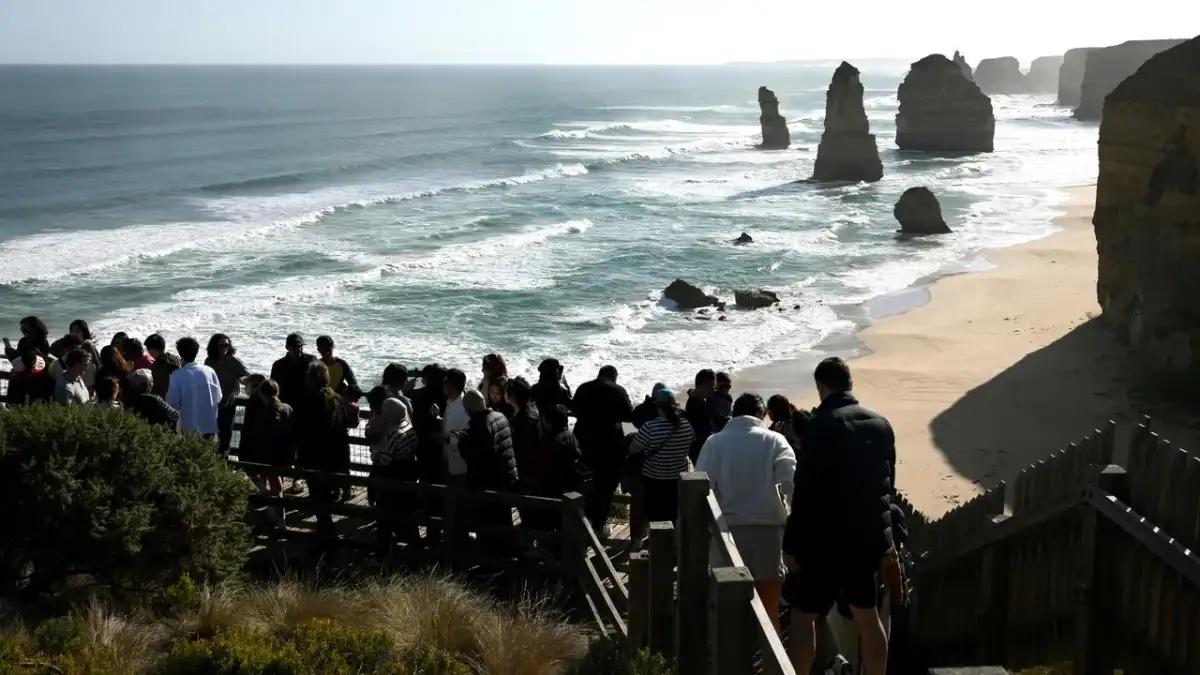
A Shift Towards Managed Access
Regional tourism body, Great Ocean Road Regional Tourism (GORRT), has advocated for this "user-pays" approach, suggesting it as a "once-in-a-generation" opportunity. The proposal, outlined in their 2025-2029 strategic business plan, emphasizes reinvestment into the "fragile coastal environment" and enhancement of the "user experience."
Read More: Alcatraz Tours Increase Due to Infamous Past
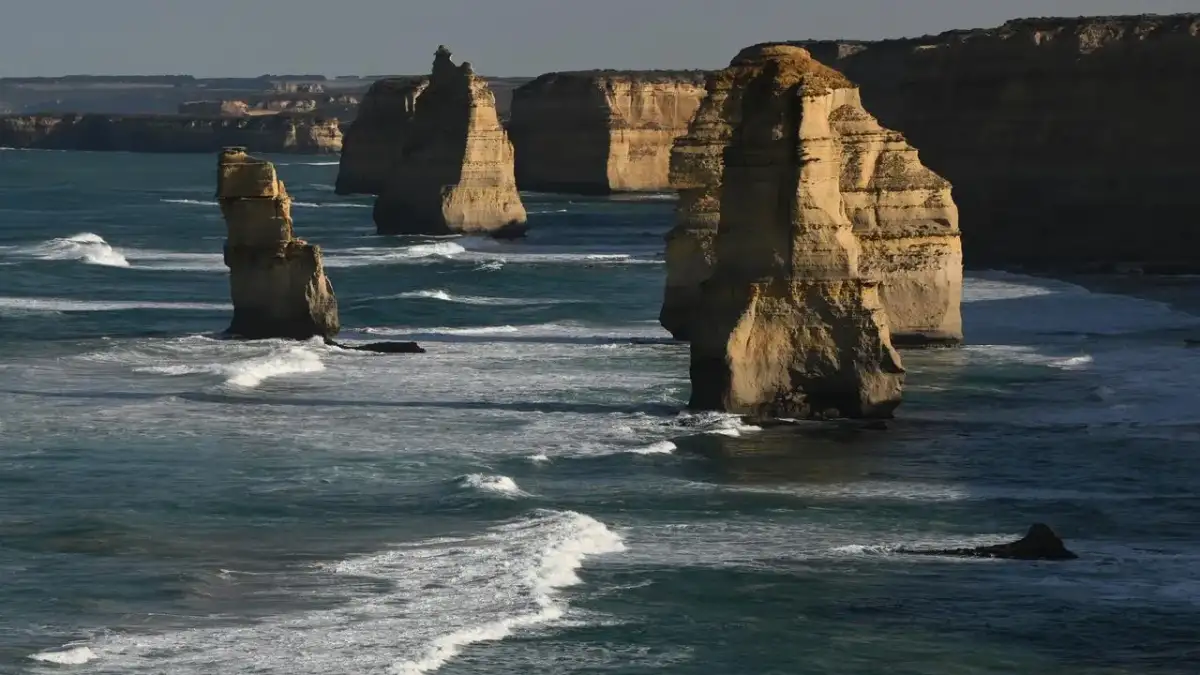
GORRT has suggested that a well-structured system could:
Actively manage visitation throughout the day and year.
Encourage overnight stays to alleviate peak period pressures.
Capture economic benefits from tourism.
Reinvest funds directly into conservation efforts.
This model is seen by some as essential for the long-term protection and enhancement of the landmark and its surrounding region, which is described as more than just a scenic drive but a "living, working region filled with vibrant communities, remarkable landscapes, and cultural depth."
Precedents and Future Implications
Similar user-pays models are already in place at other significant Australian tourist destinations, including Kosciuszko National Park in New South Wales and Uluru-Kata Tjuta National Park in the Northern Territory. The specific fee structure and the precise launch date for the Twelve Apostles are yet to be officially confirmed by the Victorian government.