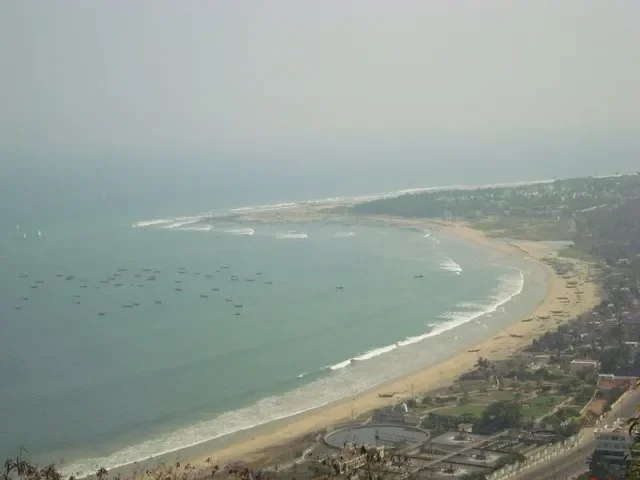
As of May 18, 2026, Visakhapatnam is recalibrating its public engagement with heritage. The city’s coastal landscape is currently evolving into a multi-modal museum corridor, shifting from static displays of municipal archives to a mix of decommissioned military hardware, ecological archives, and portable, experimental exhibits.

The central signal is a departure from traditional "history-only" curation; current regional efforts now emphasize experiential and site-specific interpretation of the environment and industry.
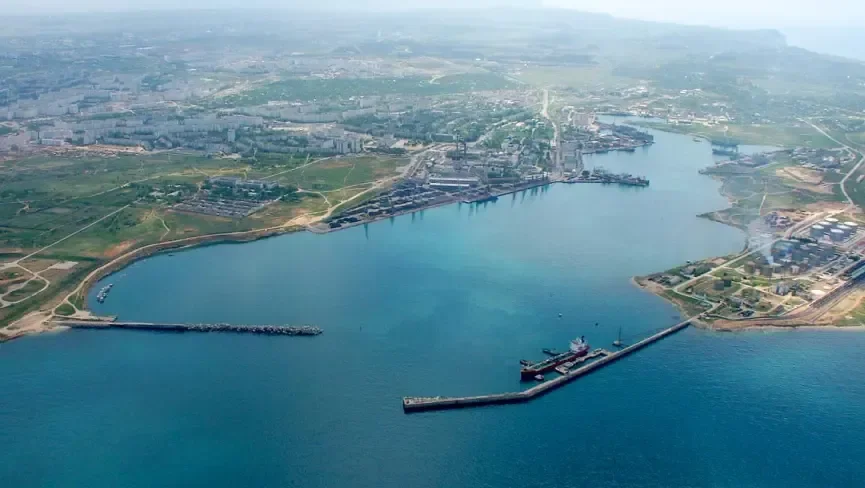
Current Infrastructure Landscape
The city’s museum circuit relies on a fragmented but high-density collection of sites. The most prominent installations remain tied to maritime and colonial-era legacies, though experimental groups are beginning to intervene with nomadic models of curation.
| Site Type | Primary Examples | Focus |
|---|---|---|
| Maritime/Military | INS Kursura (Submarine), Sea Harrier | Decommissioned combat machinery |
| Civic/Heritage | Visakha Museum | Regional records and social artifacts |
| Cultural/Ethnic | Tribal Museum (Araku), Telugu Museum | Indigenous practices & linguistics |
| Experimental | Nature group 'Wilded' | Portable natural history/biodiversity |
Operational Shifts
The transition to broader interpretative models involves logistical constraints common to regional urban planning. Most institutions follow strict operating schedules—generally 09:00 to 20:30, with Mondays typically designated as maintenance or closure days. The integrated maritime corridor along the RK Beach remains the primary nexus for tourism, acting as an open-air display of decommissioned military technology.
Read More: Alcatraz Tours Increase Due to Infamous Past
Contextual Undercurrents
The Military Nexus: Due to the presence of the Eastern Naval Command, the city has developed an unusually high density of naval artifacts. The INS Kursura, a Soviet-built vessel decommissioned in 2001, remains the anchor for the maritime identity, grounded in a concrete foundation that permanently alters the beach-front geometry.
Indigenous Representation: The Tribal Museum in Araku serves as a distinct attempt to archive the lives of indigenous populations. This reflects a tension in museum design between "collecting" (municipal history) and "observing" (living culture).
Methodological Change: The emergence of "Nature in a Suitcase"—a portable natural history project—signals a critique of the fixed-building museum model. By introducing mobility, these initiatives suggest that public engagement with history and ecology may be moving toward non-stationary interaction.
The state of these spaces reflects a broader Visakhapatnam project: balancing the Jewel of the East Coast's historical trajectory with a growing, albeit scattered, interest in niche archival sectors like cinema, biodiversity, and experimental art.