
The relentless push for rapid, consumer-driven deliveries in e-commerce creates a palpably harsher work environment within fulfillment centers compared to traditional warehouses. This is according to research from Cornell University, which offers a sweeping look at how the constant demand for swift, cheap goods impacts those on the ground. The findings suggest that while practices at giants like Amazon might be a bellwether, alternative, less punishing models for managing e-commerce labor are possible.
The core of the issue lies in the immediacy of consumer desires. This "around-the-clock, often impulsive demand" dictates a punishing pace. The research, the first broad assessment of its kind in the U.S., contrasts business-to-consumer (B2C) warehouses, which directly fulfill customer orders, with business-to-business (B2B) operations that serve physical stores or manufacturers.
Amazon drivers, too, find themselves caught in this relentless cycle. Reports highlight a "forced pace" during package loading, directly contributing to a high risk of injuries, particularly back injuries. The long hours and continuous pressure are compounded by constant monitoring and timed expectations for delivery numbers.
Read More: FIFA World Cup 2026 Revenue Reaches $15 Billion With New Ticket Prices
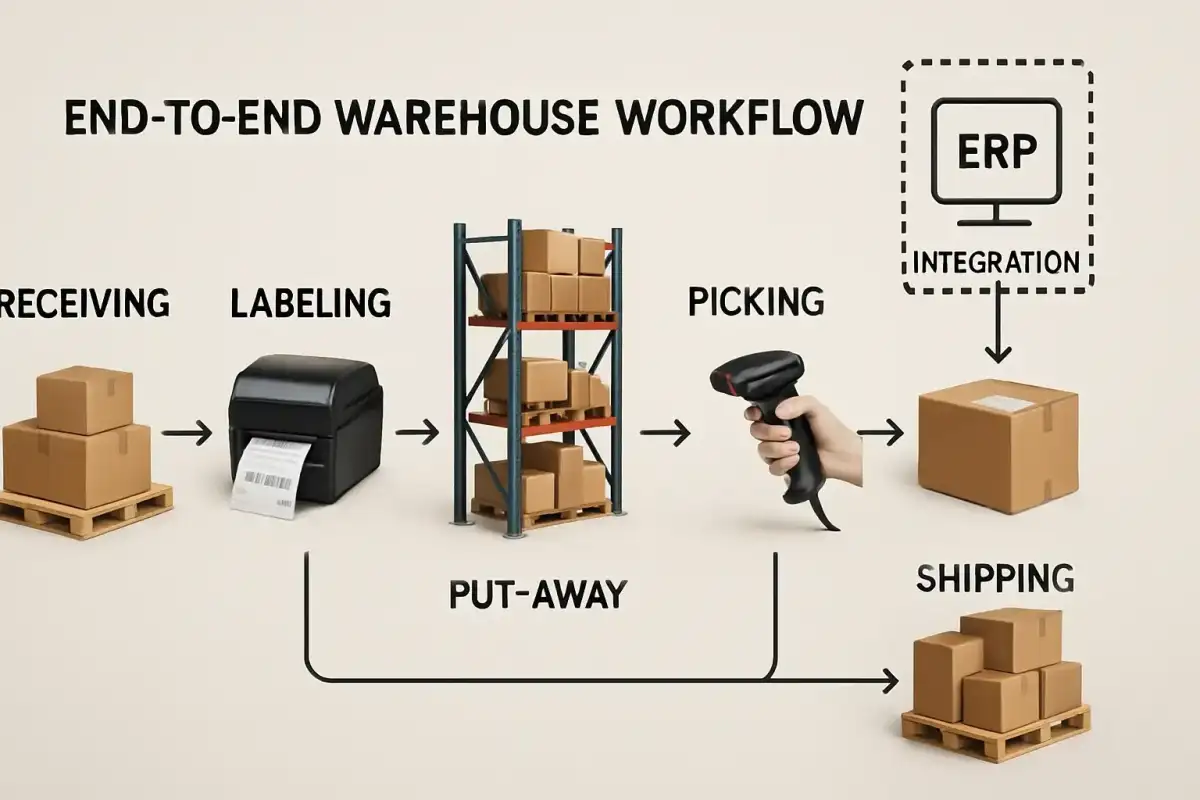
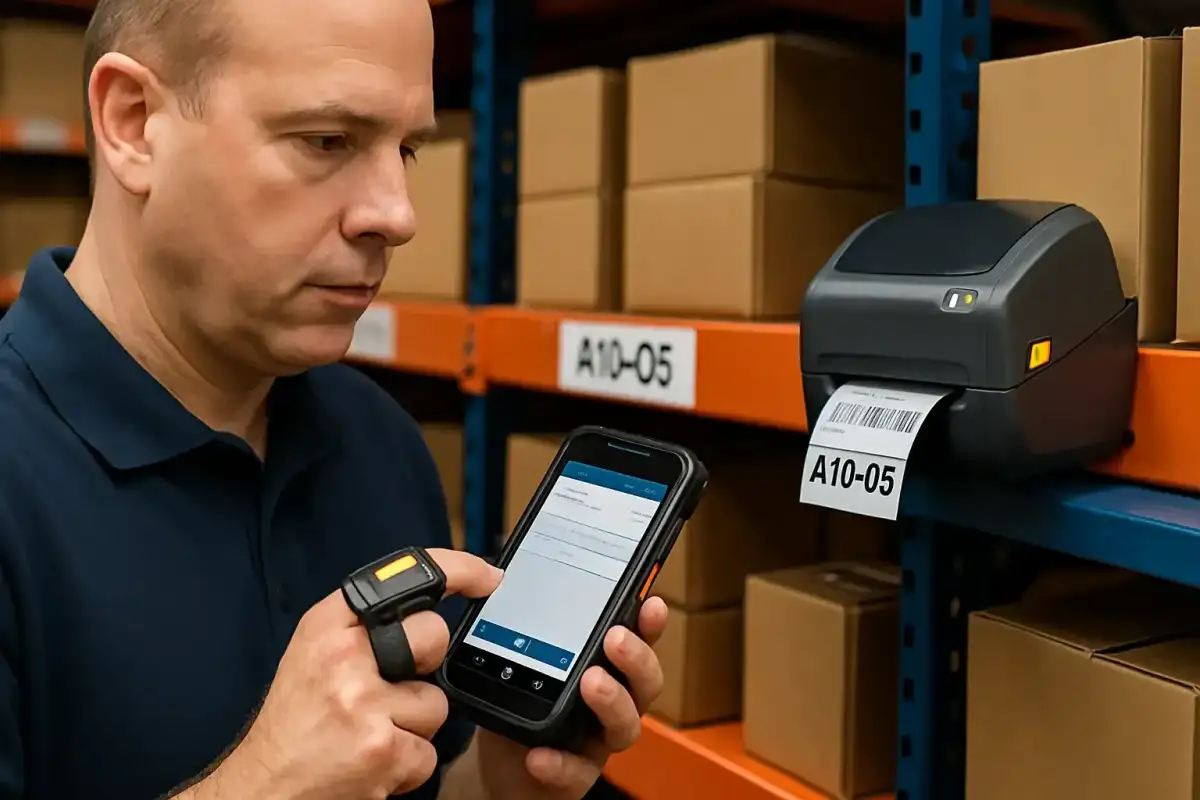
Beyond the direct human cost, the broader e-commerce landscape grapples with inherent inefficiencies. While sophisticated 'warehouse management systems' drive operations, operational speed hinges on more than just software. Every redundant motion, every misplaced item, translates into slower output. Furthermore, the efficiency of outbound shipping is intrinsically tied to the quality of inbound receiving and putaway procedures. When staff can trust the data presented, they tend to move with more confidence and speed.

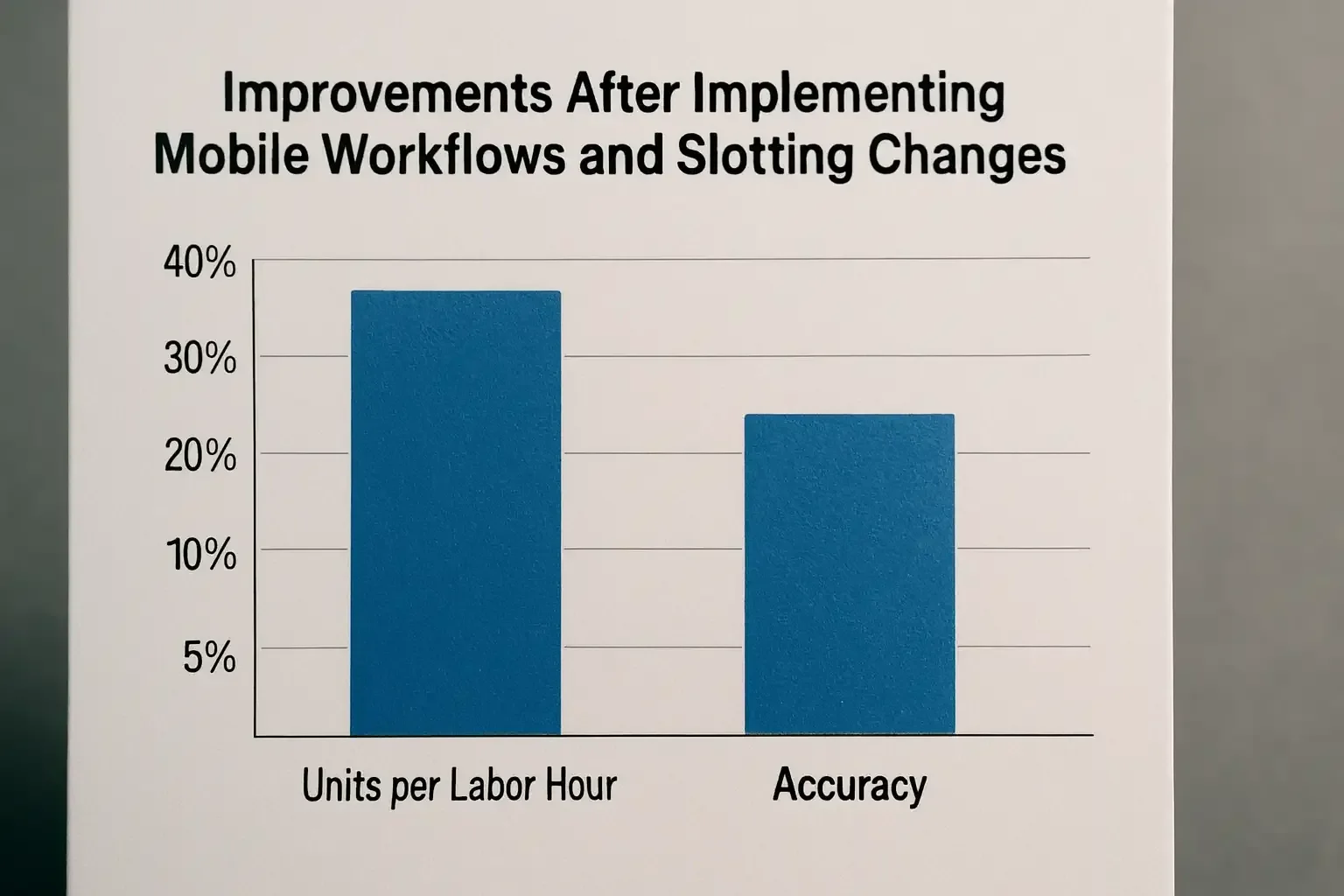
The industry is not without its challenges. A labor shortage looms, exacerbated by these demanding conditions. Businesses are exploring 'flexible labor models' and redesigned shift structures to navigate the inherent "peaks and troughs" of demand. Optimizing inventory and streamlining workflows, often through 'real-time data and mobile solutions', are seen as crucial for boosting both efficiency and profitability.
Read More: SAG-AFTRA Members Approve New Contract With Studios
Historically, the focus of such research has often zeroed in on specific companies, leaving a broader understanding of warehouse conditions wanting. However, this recent Cornell-led inquiry points to a potential correlation: when workers have a greater say in decision-making processes, the outcomes tend to be less severe. This suggests a pathway toward managing e-commerce operations in a way that is less punitive.