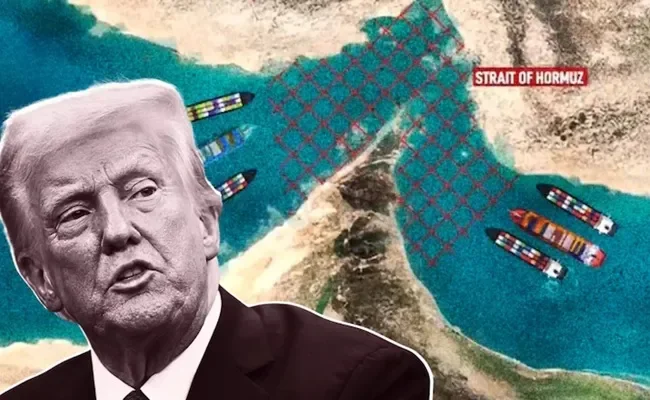
SOCIAL MEDIA FRENZY FOLLOWS EXPLICIT THREATS AS MIDDLE EAST TENSIONS ESCALATE
US President Donald Trump has unleashed a torrent of profanity on social media, issuing a stark ultimatum to Iran regarding the Strait of Hormuz. The expletive-laden pronouncements, made over the Easter weekend, coincide with heightened military activity and a dangerous cycle of retaliation between the US and Iran, drawing sharp criticism and some measured support.

Trump's aggressive online missives directly demanded Iran "Open the F—-in' Strait, you crazy bastards, or you’ll be living in Hell." He set a 48-hour deadline for Iran to strike a deal, threatening Tuesday as "Power Plant Day, and Bridge Day, all wrapped up in one." This rhetoric comes amid reports of US military strikes, including the use of 5,000-pound bunker-buster bombs on Iranian targets.
The intense public communication from the President arrived shortly after the announcement of a daring rescue of a US airman whose F-15 jet was shot down in Iran. While Trump proclaimed the successful recovery, Iran countered by stating it had downed a transport plane and two helicopters involved in the rescue operation.
Read More: US F-15E Strike Eagle downed over Iran on Friday creates new military and diplomatic risks

The exchange has ignited a significant reaction. Critics, particularly on Capitol Hill and within the Democratic party, have condemned the language as inflammatory and unbecoming of a head of state, especially on a religious holiday. Some observers have pointed to Trump's consistent push against perceived political correctness as a backdrop to these pronouncements. Conversely, some have praised Trump's "fiery rhetoric" and "straight talk."

Escalating Conflict and Diplomatic Backdrops
The escalating verbal warfare is intertwined with ongoing military actions. US and Israeli strikes against Iran commenced on February 28th, initiating a pattern of reprisal. This has included drone strikes targeting Kuwait's oil sector and missile and drone attacks by Iran against its neighbors.
Sources indicate that Trump had previously delayed strikes on Iranian power plants, suggesting a possible connection to ongoing diplomatic talks. However, his recent public threats seem to signal a dwindling patience. Some reports suggest that even if the current conflict were to end, Iran's economic and military situation is dire, potentially indicating the regime is on the verge of collapse.
Read More: Karoline Leavitt White House Press Secretary Job Unsteady After Criticism
Historical Context and Previous Confrontations
This is not the first instance of Trump employing strong language regarding Iran. In October 2020, he used an expletive on Rush Limbaugh's radio show while discussing Iranian support for designated terrorist groups. His administration has also been active in attempting to reimpose sanctions on Iran following its withdrawal from the nuclear deal.
Past military actions also color the current situation. US strikes on Iranian nuclear sites were reported as recently as two weeks ago, and a significant US military operation involved dropping bunker-buster bombs on an Iranian ammunition depot. The scale of US ordnance deployed is substantial, with estimates suggesting $5.6 billion worth of bombs were used in the first two days of the current conflict alone.
The complexities of the Iran-US relationship extend back decades, with historical events such as the 1953 Iranian coup d'état shaping underlying tensions. The current volatile climate is further compounded by diplomatic efforts, with some gulf states reportedly privately advocating for continued engagement against Iran, while others, like Pakistan, have attempted to mediate. The implications for global oil markets and supply chains are also considerable, with warnings of sustained higher prices for consumers.
Read More: Iran Claims New Air Defense Shot Down US F-15 Jet on Friday