Alarming Statements Emerge Following China Visit
Donald Trump has ignited widespread anxiety regarding the future trajectory of United States-China policy, particularly concerning Taiwan. In a recent Fox News interview with Bret Baier, aired shortly after a significant visit to China, Trump characterized Taiwan as a "good negotiating chip" in dealings with Beijing. This framing of a pending $14 billion arms sale to Taiwan as leverage has unsettled allies and observers alike.
Trump’s assertion that he hadn't yet approved the arms deal, holding it "in abeyance," signals a potential willingness to leverage Taiwan's security needs for concessions from China, such as increased American goods purchases or pressure on Iran.
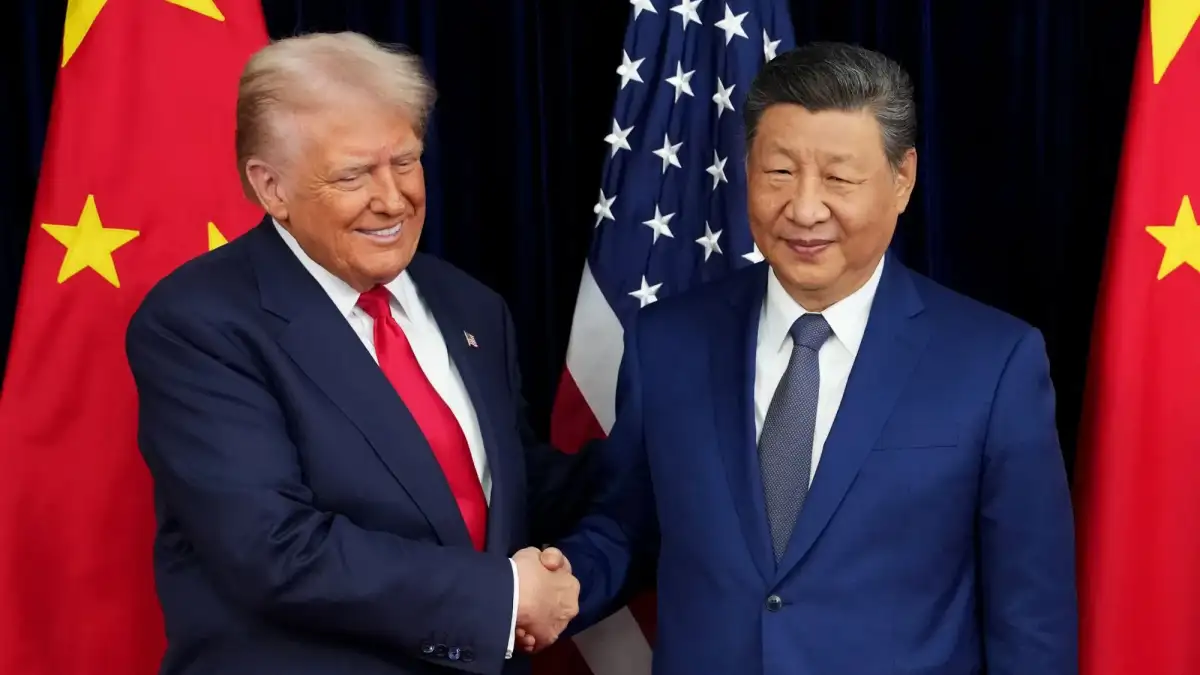
The remarks follow a summit with Chinese President Xi Jinping, where the Taiwan issue was underscored as paramount, with warnings of potential "clashes and even conflicts" if mishandled. While Trump's administration has not officially altered its stance on Taiwan, his recent rhetoric suggests an openness to incorporating Beijing's narrative regarding the island.
Read More: Justice Dept. Creates $1.776 Billion Fund After Trump Settlement
Taiwan Defends Arms Sales Amidst U.S. Policy Uncertainty
Taiwan's leadership has responded by reaffirming the importance of U.S. arms purchases as a crucial deterrent against regional conflict. President Lai Ching-te, in a statement, declared that "Taiwan will not provoke or escalate conflict, but it will also not relinquish its national sovereignty and dignity, or its democratic and free way of life, under pressure." The administration has sought to reassure the public, emphasizing that official U.S. policy towards Taiwan remains unchanged.
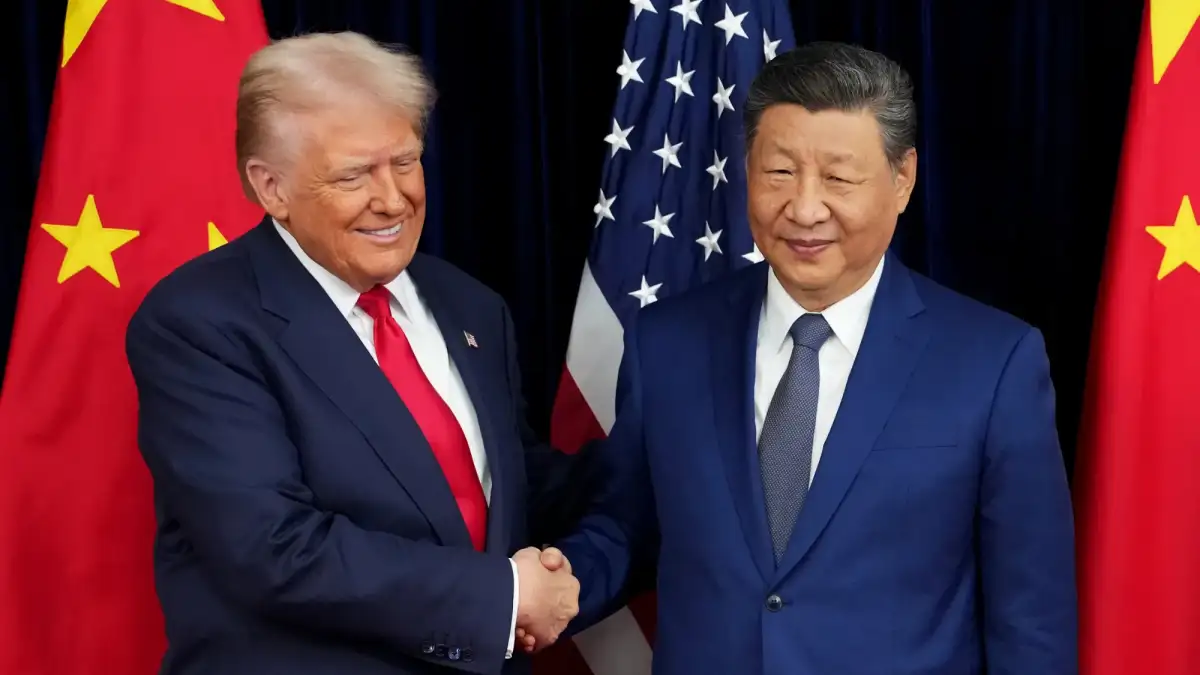
"Taiwan will not provoke or escalate conflict, but it will also not relinquish its national sovereignty and dignity, or its democratic and free way of life, under pressure."
Taiwanese officials, including spokesperson Karen Kuo, have pointed to China as the "sole destabilizing factor" in the Indo-Pacific, with arms sales to Taiwan being a reflection of Washington's commitment under the Taiwan Relations Act.
Chip Sector Relocation and Past Precedents
Further complicating the discourse, Trump expressed a desire for Taiwan's world-leading microchip sector to relocate to the United States. He described such a move as "the greatest thing you can do," aligning with his long-standing push for Taiwanese chipmakers to establish production facilities in the U.S. This comes as Taiwan Semiconductor Manufacturing Company (TSMC) has committed substantial investments to a facility in Arizona.
Read More: UN Report Says Israel Failed to Prevent Genocide in Gaza

Historically, Trump has, at times, employed Taiwan as a bargaining tool in negotiations with Beijing. This past approach has fueled concerns that Taiwan could be sidelined in favor of broader diplomatic or economic objectives, mirroring instances where European allies faced similar situations during Trump's overtures to Moscow.
Background
Taiwan, a self-governing democracy, has a complex political history. Following the Chinese Civil War, Nationalist Party forces retreated to the island, which has since transitioned from martial law to a multiparty democratic system. The relationship between Taiwan and mainland China remains a significant point of geopolitical tension, with Beijing viewing Taiwan as a breakaway province.
U.S. policy toward Taiwan is guided by the Taiwan Relations Act, which commits the U.S. to assisting Taiwan in maintaining its self-defense capabilities, while also acknowledging the People's Republic of China's position on the matter. Previous U.S. administrations have navigated the complexities of arms sales to Taiwan, sometimes pausing deliveries amidst diplomatic considerations.
Read More: White House South Lawn May Get Helipad For New Marine One