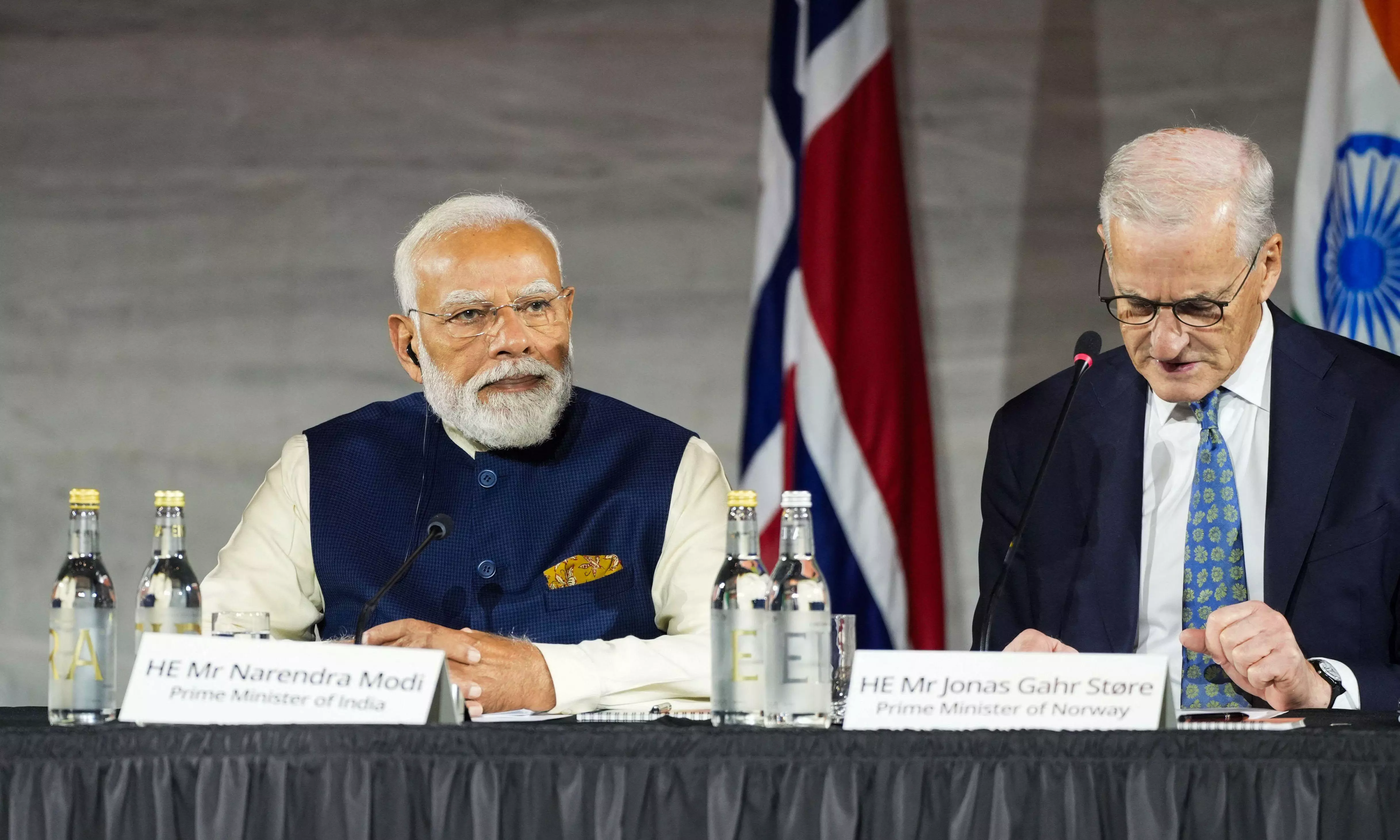
As of May 18, 2026, India and Norway have formally transitioned their bilateral relationship into a Green Strategic Partnership. During Prime Minister Narendra Modi’s visit to Oslo, the two nations concluded 12 separate agreements, focusing on technology, maritime security, and sustainable industrial growth.
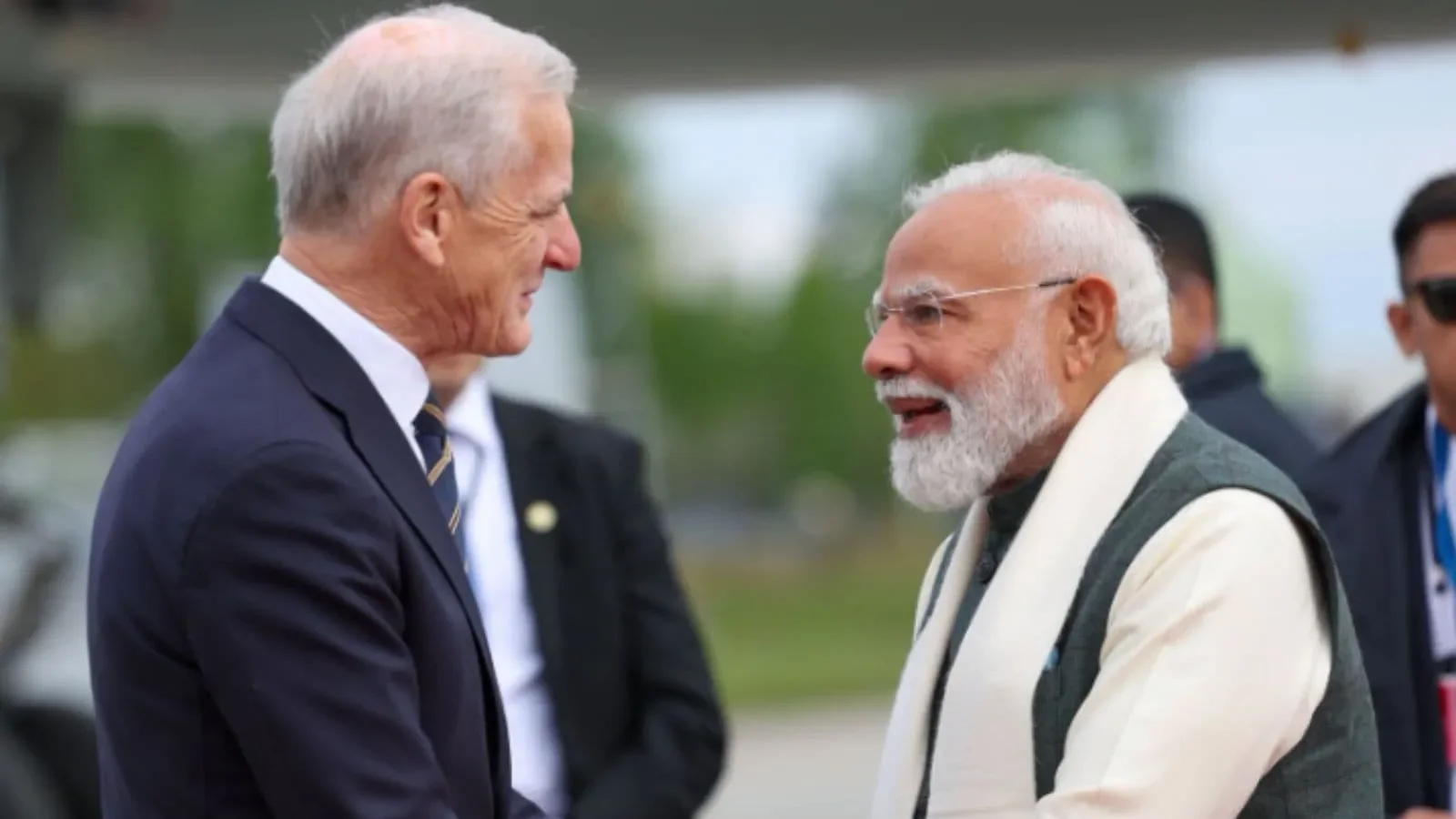
Core outcome: Integration of India’s 'Digital Public Infrastructure' into global development frameworks through a new Triangular Development Cooperation Agreement.

Structural Breakdown of the Accord
The agreements shift the existing bilateral framework toward technical cooperation and resource management. The primary focus areas include:

| Sector | Strategic Goal |
|---|---|
| Digital Infrastructure | Deploying Indian Digital Public Goods in Global South nations. |
| Maritime/Security | Norway officially joins the Indo-Pacific Oceans Initiative. |
| Health | Joint development of high-technology healthcare services and AI-driven medical tools. |
| Energy/Climate | Research on ocean energy, geology, and green industrial transitions. |
Operational Scope: The Triangular Development Cooperation signifies a pivot where India and Norway align to export specific infrastructure models—specifically India's digital stack—to third-party developing nations.
Geopolitical Alignment: By entering the Indo-Pacific Oceans Initiative, Norway signals a broader integration into maritime strategies currently prioritized by New Delhi.
Economic Messaging: Prime Minister Modi leveraged the visit to address the India-Norway Business and Research Summit, framing India’s regulatory landscape as a stable destination for Nordic investment in nutrition, healthcare, and tech.
Context and Implications
The elevation of this partnership reflects a response to ongoing global economic uncertainty and shifting supply chains. While both governments utilize the branding of "green transition," the practical outcome centers on standardizing digital and health infrastructure.
The cooperation on space and maritime security, combined with the "green" label, provides both nations with a dual-track strategy: deepening scientific ties in Arctic/polar research while expanding diplomatic reach into the Global South. Prime Minister Jonas Gahr Støre and Modi framed the agreements as a reliance on trust-based frameworks in an era defined by conflict, emphasizing institutional reform as a necessity for global stability.
Read More: Pakistan Shares New Iran Peace Proposal With US on 19 May 2026