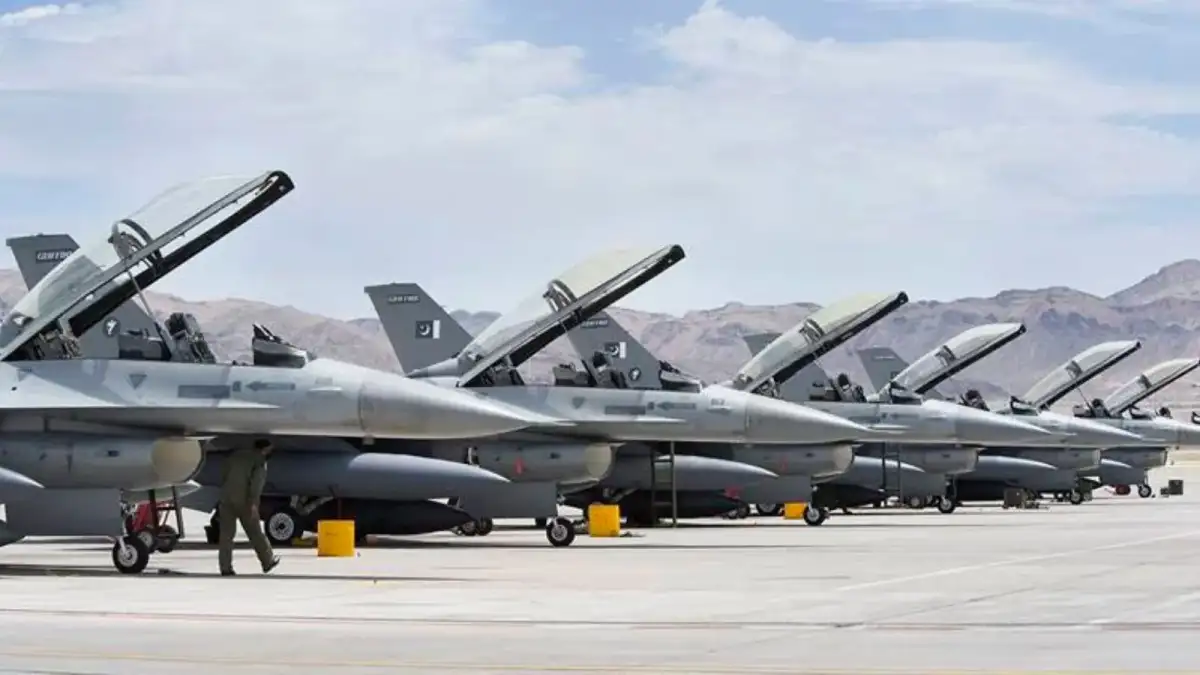
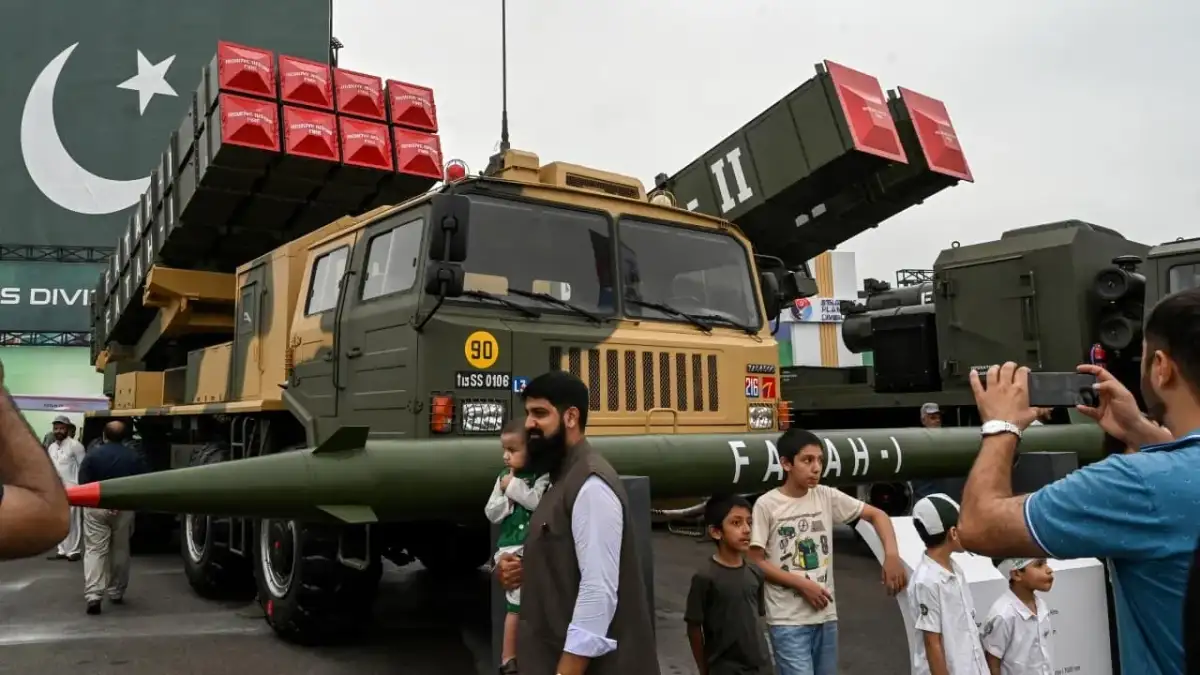
A significant military deployment by Pakistan to Saudi Arabia, involving approximately 8,000 troops, a squadron of JF-17 fighter jets, drones, and Chinese-made HQ-9 air defence systems, has been reported, signaling a potential recalibration of Middle Eastern power dynamics. This move, reportedly financed by Saudi Arabia with Pakistani personnel operating the equipment, deepens a mutual defence pact between the two nations signed last September. The full terms remain undisclosed, but the agreement ostensibly commits both countries to mutual defence in case of attack.
The deployment underscores Pakistan's role in addressing Saudi Arabia's security concerns, particularly in a region experiencing heightened tensions, including the ongoing conflict involving Iran. This strategic alignment extends beyond bilateral cooperation, potentially influencing broader regional calculations related to deterrence, economic corridors, and long-term geopolitical allegiances. It is also noted that this deployment appears to extend the China-Pakistan strategic alignment into Gulf security architecture without overt Chinese military commitments.
Read More: India's Defence Ministry approves ₹52,000 crore on Friday for new Army and Navy tech

Further details suggest the deployment includes around 16 JF-17 fighter aircraft, primarily built jointly with China, and two squadrons of drones. There are also unconfirmed reports of Pakistani naval assets being involved. This new contingent adds to several thousand Pakistani troops already stationed in Saudi Arabia under earlier agreements.
Geopolitical Undertones
The timing of this troop movement coincides with Pakistan's reported engagement as a mediator in potential peace talks between Iran and other regional actors. This dual role – bolstering Saudi Arabia's defence while seemingly facilitating dialogue – presents a complex diplomatic posture.
The defence pact, described by Pakistani Defence Minister Khawaja Asif as potentially placing Saudi Arabia under Pakistan's nuclear umbrella, indicates a significant escalation in security commitment. Saudi Arabia has historically provided financial support to Pakistan during its economic difficulties, a relationship now seemingly reinforced by this substantial military arrangement.
Read More: AFP Reviews War Crime Claims Against Australian in Gaza
The implications of this deployment are far-reaching, potentially impacting Gulf deterrence, American influence in the region, Iran's strategic calculations, and even Indo-Pacific dynamics. The activation of this mutual defence framework in a fragile post-ceasefire Middle East introduces a new military variable into an already volatile geopolitical landscape.