-Hurvin-Anderson--Photo-Tate-Photography-(Matt-Greenwood)-jpeg.jpeg)
"Hurvin Anderson’s work reflects on his experiences of belonging and diaspora."
Tate Britain is currently hosting a major solo exhibition of Hurvin Anderson’s art, featuring over 80 works that span his entire career. The retrospective delves into themes of identity, belonging, and diaspora, drawing from his personal history and broader Black experiences in Britain and the Caribbean. Anderson, born in Birmingham to Jamaican parents, often explores his sense of "in-betweenness," a feeling familiar to many in immigrant communities.
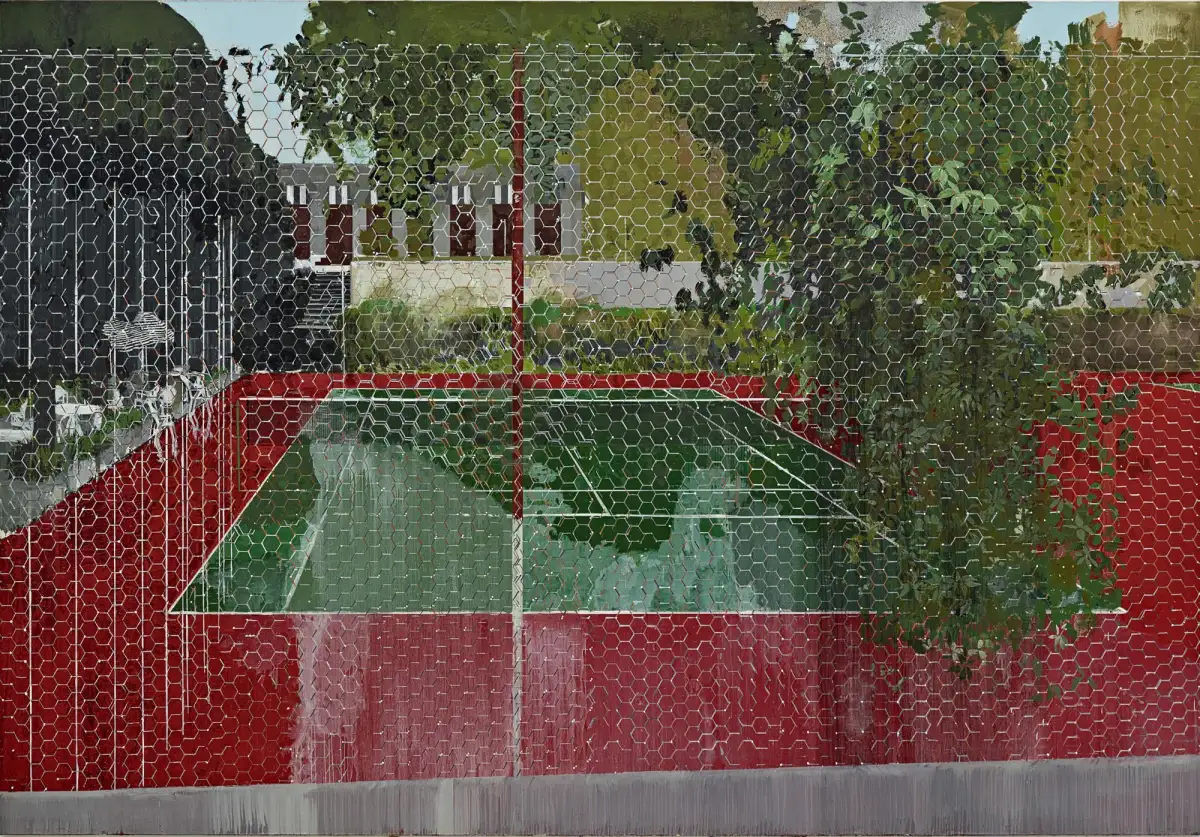
The exhibition showcases Anderson's distinctive use of color and his reinterpretation of personal memories and historical narratives. His paintings frequently revisit familiar scenes, such as barbershops, repainting them to reflect evolving perceptions and changing self-awareness over time. This process of re-examination, where scenes remain constant but are recomposed with new elements, highlights the fluid nature of memory and identity.
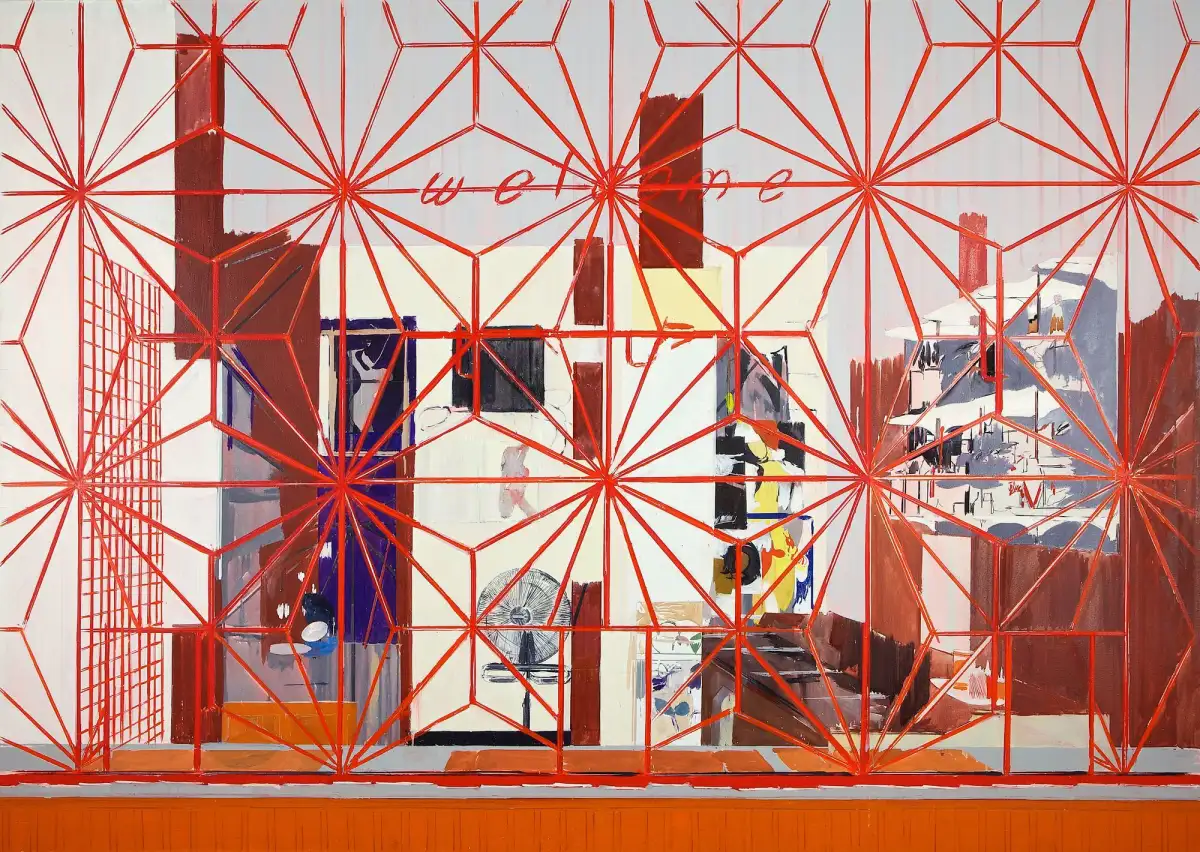
Anderson’s work is characterized by a deep engagement with the Caribbean color palette, regardless of the subject's geographical location. This approach underscores a consistent exploration of race, identity, and the Black experience, often foregrounded through recurring motifs like barbershops that hold particular cultural significance. These spaces, historically important for Caribbean immigrants in Britain for social gathering and informal haircuts, become sites for confronting broader cultural narratives.
Read More: Banana Art Stolen From French Museum, Replaced Quickly

The retrospective at Tate Britain, which includes new, previously unseen paintings alongside established works, invites viewers to engage with complex questions about home and belonging. Anderson's atmospheric landscapes and intimate interiors construct a shared history, demonstrating his ability to make sense of the world through his art. While the exhibition leaves viewers with more questions than answers, its profound impact lies in its ability to evoke personal resonance and reflection.

Anderson's artistic journey began in Birmingham in the 1990s, where he initially painted from photographs—family snapshots and found images. This foundational practice of working with existing visual material informs his later explorations, where familiar locales like childhood leisure centers or libraries are revisited and reinterpreted through the lens of time and personal growth. The exhibition is situated on the lower floor of Tate Britain.
Read More: Woman's face went numb: Stroke symptoms missed as migraine in London