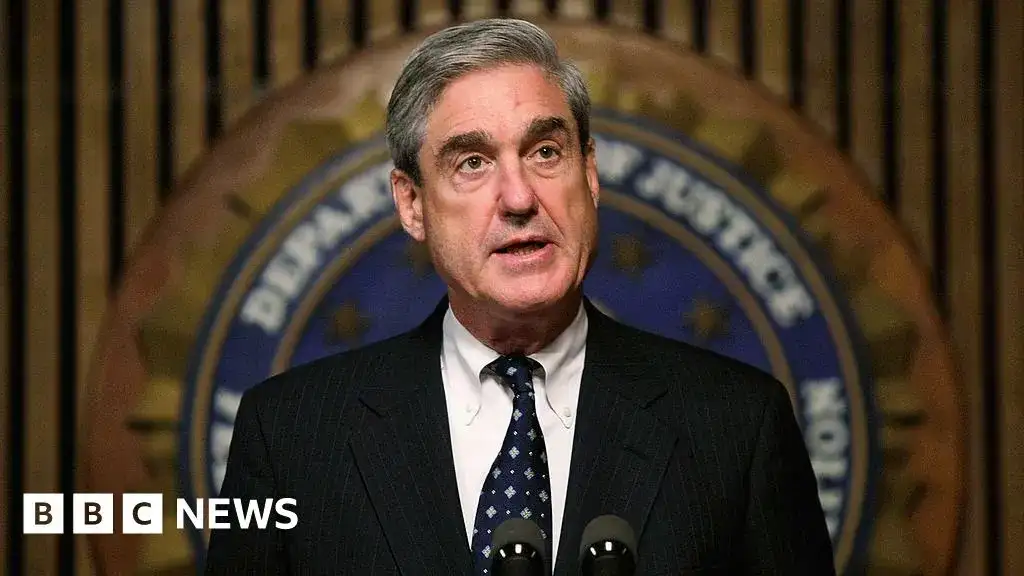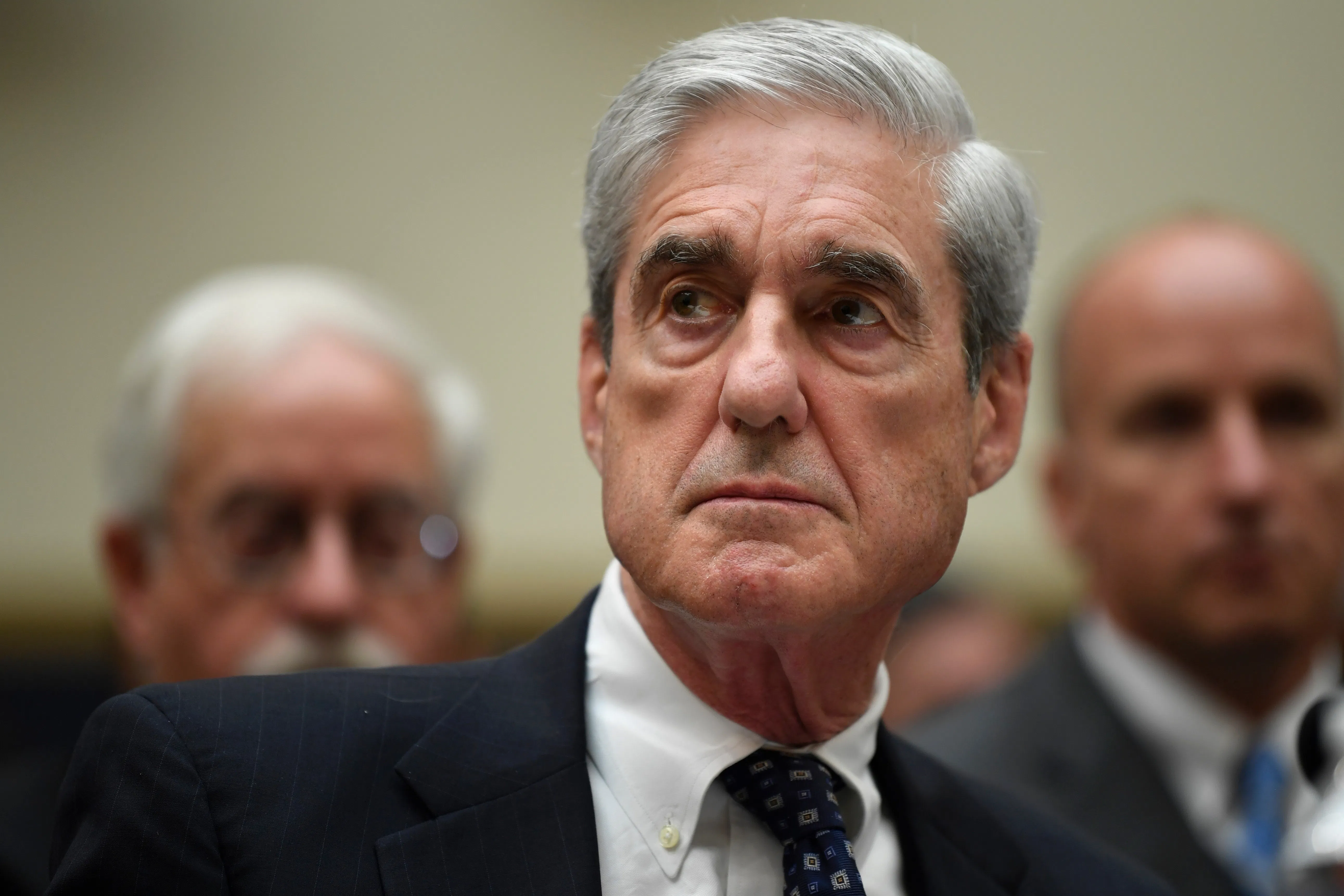
Robert Mueller III, a figure whose career spanned significant national fissures, has died at 81. Mueller was perhaps most visibly known for his role as the FBI director navigating the aftermath of the 9/11 attacks and, later, as the special counsel leading an inquiry into Russian interference in the 2016 presidential election and its ties to the Trump campaign.
The investigations into the 2016 election, in particular, placed Mueller at the center of a sustained political storm. His tenure as special counsel culminated in a report that detailed numerous contacts between the Trump campaign and Russian operatives, while also concluding that the evidence did not establish an obstruction of justice by President Donald Trump. This report became a focal point of intense partisan debate.
A Reputation Tested by Controversy
Mueller’s public life was marked by a dedication to difficult assignments. He led the FBI from 2001 to 2013, transforming the agency into a force focused on counter-terrorism in the post-9/11 era. His appointment as special counsel in 2017 was intended to bring clarity to the complex allegations surrounding the 2016 election.
Read More: Robert Mueller, 81, Dies; Led 2016 Russia Election Investigation
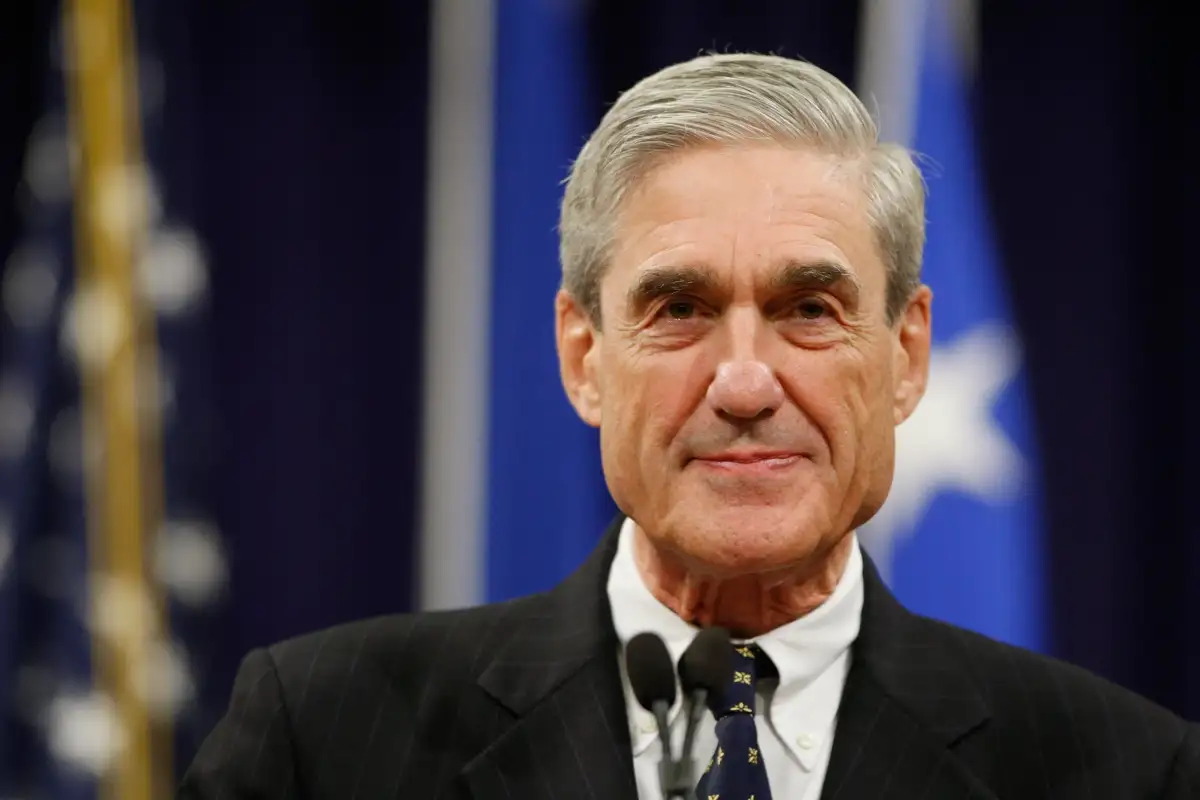
However, the findings and presentation of his report generated significant friction. Mueller himself privately expressed dissatisfaction with Attorney General William Barr’s four-page summary of the report, believing it did not fully represent his team’s conclusions. This disagreement fueled further controversy, with Democrats expressing disappointment and Republicans questioning the investigation's origins and scope.
Public Persona and Testimony
Despite being a central player in defining national moments, Mueller maintained a decidedly low public profile, rarely speaking out. His testimony before Congress regarding the Russia investigation, a moment many anticipated would yield definitive pronouncements, was characterized by terse responses and what some observers perceived as uncertainty. This quiet demeanor, combined with the report's nuanced findings, left many to interpret its implications.
President Trump, who openly criticized Mueller and his investigation, acknowledged Mueller's death. The cause of Mueller's death was not immediately made public. His career began with military service, followed by a path through law, leading to decades of public service that, for better or worse, became inextricably linked with some of the most turbulent periods in recent American history.
Read More: Famous People From Comics, Movies, Music, and Royalty Have Died