WASHINGTON D.C. — The fragile truce between the United States and Iran has been placed on "life support," according to President Donald Trump, following his outright rejection of Tehran's latest peace overtures. Trump declared Iran's response to a US peace proposal "totally unacceptable," effectively stalling any immediate progress toward ending the ongoing conflict. This development comes as Israel escalates strikes on Lebanon, with reports of "100 strikes on Lebanon in 24 hours," highlighting the widening regional instability.

Trump's immediate dismissal of Iran's counter-proposal, relayed through Pakistani mediators, centers on what he perceives as unacceptable terms. Iranian state media, however, outlined a response that focused on ending the war across all fronts, with particular emphasis on Lebanon, and ensuring safe passage through the Strait of Hormuz.

Regional Tensions Flare Amidst Diplomatic Stalemate
The rejection has sent shockwaves through already volatile diplomatic channels. The Qatari and Kuwaiti foreign ministers engaged in discussions on Monday, signaling regional unease. Meanwhile, Russian President Vladimir Putin reiterated Moscow's offer to manage enriched uranium from Iran, a proposal that has yet to gain traction in the current climate. The United Arab Emirates and Kuwait reported drone incursions, with a drone attack causing a minor fire on a vessel off Qatar's coast, underscoring the persistent threat of further escalation.
Read More: Trump Sets July 4 Deadline for EU Trade Deal, Threatens Higher Tariffs

Core Disagreements Remain Stumbling Blocks
At the heart of the deadlock lies a fundamental divergence in priorities. Trump appears to be seeking a swift resolution that includes immediate concessions on Iran's nuclear program, while Tehran prioritizes the cessation of the US naval blockade and the lifting of sanctions before engaging in substantive negotiations on its uranium stockpile.

Iran's semi-official Tasnim news agency detailed Tehran's proposal, which included an immediate end to hostilities on all fronts, a halt to the US naval blockade, guarantees against future attacks on Iran, and the revocation of sanctions, including the ban on Iranian oil sales. This stands in stark contrast to the US proposal, which aimed to halt fighting before addressing more contentious issues, such as Iran's nuclear program.
"We’re doing a service to the world," President Trump stated, expressing his perspective on the ongoing efforts.
Israeli Prime Minister Benjamin Netanyahu, a key US ally in the conflict, echoed the demand for Iran's enriched uranium to be removed, stating in an interview that the conflict "is not over, because there's still nuclear material — enriched uranium — that has to be taken out of Iran." However, his public statements suggesting direct military action appear to diverge from Trump's expressed stance.
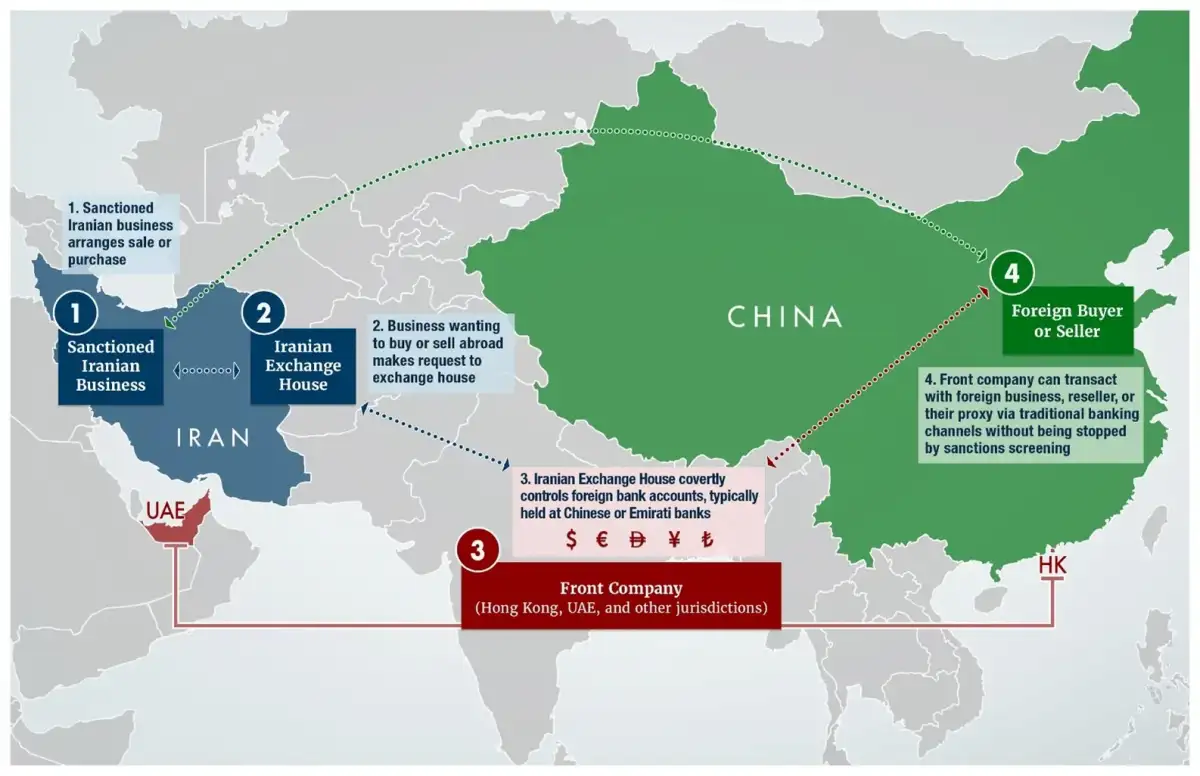
Read More: US Banks Must Watch for Iran's Money Laundering Networks
Background: A History of Strained Negotiations
The current diplomatic impasse follows a period of intense exchanges. Iran's initial proposal was met with a US memorandum, to which Iran then responded on Sunday. The conflict has seen Iran previously close the Strait of Hormuz after an initial US-Israeli attack in late February, prompting retaliatory actions against US naval and commercial vessels, as well as oil facilities in the UAE. The US's "Project Freedom," an initiative to escort oil tankers through the Strait, was notably called off by Trump last week, ostensibly to provide Iran with an opening to respond to US peace proposals.
Despite a US-brokered ceasefire announced on April 16, clashes have persisted between Israel and Iran-backed Hezbollah in southern Lebanon.
Iranian state media has countered Trump's assessment, with a spokesperson from the Iranian foreign ministry describing Tehran's proposals as "reasonable, responsible and generous."