THE STRATEGIC PIVOT
President Trump’s recent pronouncements regarding the Strait of Hormuz have triggered a cascade of inquiries, particularly concerning the trajectory of United States war preparations. His apparent endorsement of a hypothetical shutdown of the strait, previously framed as a point of contention, has been declared by him as “the smartest move in history.” This declaration lands amidst a backdrop of escalating tensions and significant military actions.

ULTIMATUM AND COUNTER-MOVES
The situation crystallized when Trump issued a stark ultimatum to Iran, demanding the reopening of the Strait of Hormuz within 48 hours. Failure to comply, he stated, would result in the “obliteration” of Iran’s power plants. This ultimatum was issued while Tehran was engaged in what was described as its most destructive attack yet on Israel, an action that prompted Israeli military strikes on Tehran shortly thereafter. The United Arab Emirates reported aerial attacks, and Japan indicated a potential willingness to consider mine-clearing operations in the strait, contingent on a ceasefire.
Read More: AFP Reviews War Crime Claims Against Australian in Gaza
BLOCKADE TAKES EFFECT
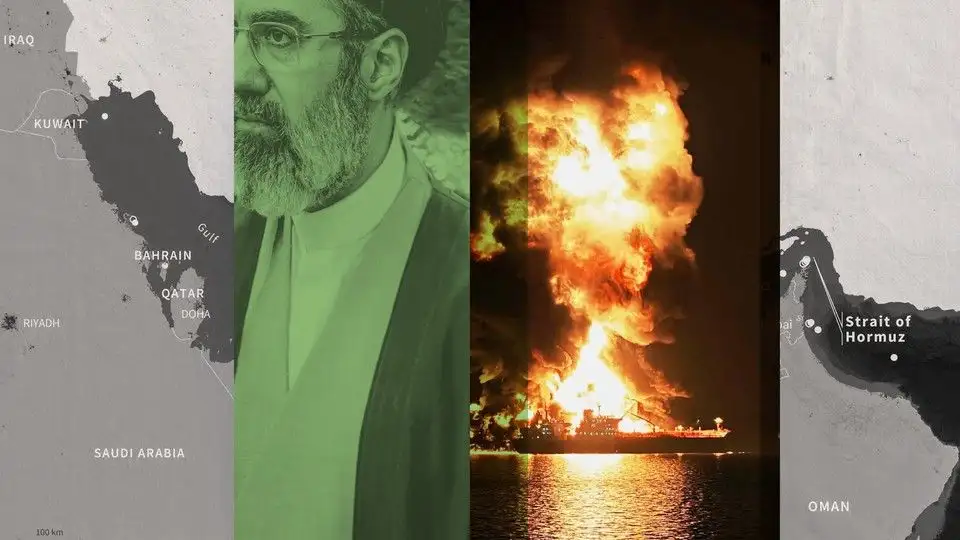
The United States commenced a naval blockade of Iranian ports in the Strait of Hormuz on April 13, 2026. This action, intended to increase pressure on Iran to reopen the vital oil route, followed the collapse of peace negotiations. Talks held in Islamabad over the preceding weekend concluded without a breakthrough, with Iran reportedly refusing to abandon its pursuit of nuclear weapons. The U.S. delegation returned without a deal.
TERMS AND CONFUSION
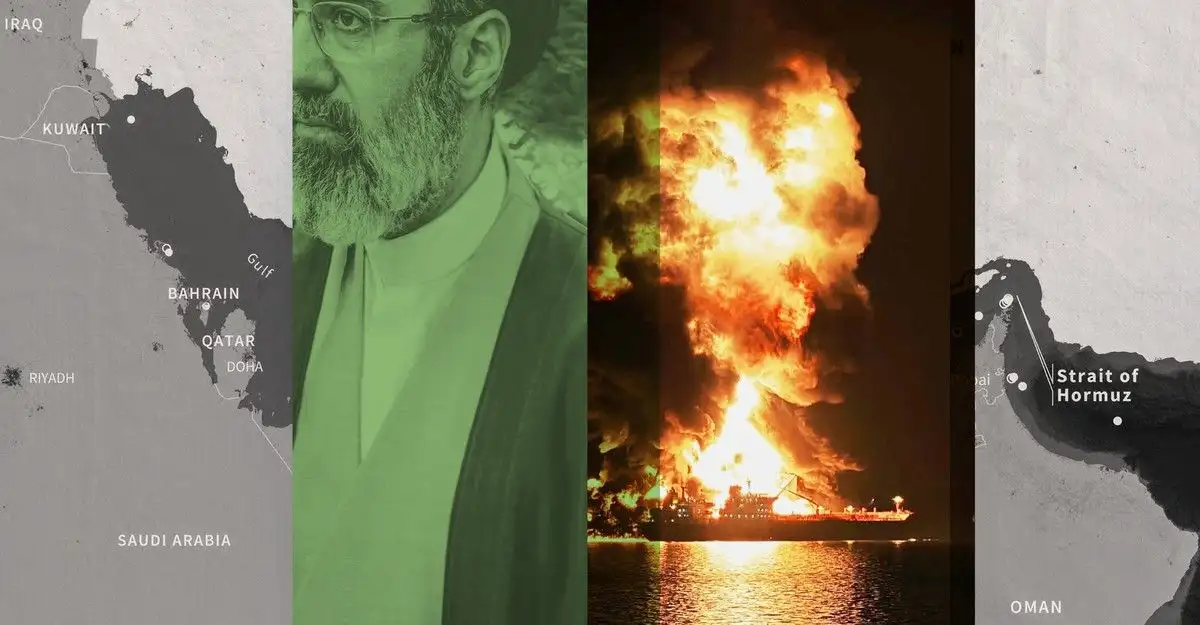
The blockade entails blocking ships from entering or exiting Iranian ports. Trump has asserted that the blockade will persist until a comprehensive nuclear agreement with Iran is reached. However, confusion lingers regarding Iran's assent to the continued blockade, and Iranian oil tankers are specifically prohibited from transiting the strait under the current arrangement. Iran, meanwhile, has issued warnings that the U.S. blockade will inevitably drive global energy prices higher.
Read More: Gulf Oil Exports Rise in June but Still Below Pre-War Levels

ECONOMIC PRESSURE AND RISING COSTS
This blockade represents an attempt to exert economic leverage on Iran and its trading partners, particularly China, which relies on Iranian oil exports. The move comes after a prolonged U.S.-Israeli bombing campaign that has already sent oil and gas prices soaring, apparently without achieving the desired capitulation from Tehran. Trump’s administration had previously, in March, granted a temporary license for Iran to sell oil stored on tankers, a lever now seemingly abandoned in favor of the blockade, risking further price surges.
HISTORICAL CONTEXT AND IRAN'S THREATS
The Strait of Hormuz, a chokepoint for global oil transit, does not fall under the official control of any single nation. Iran has a history of threatening to close or restrict passage through the strait on numerous occasions. The current U.S. blockade began at 10 a.m. on April 13, 2026, following the failed peace talks. Iranian officials, including acting Defense Minister Brigadier General Majid Ibn Reza, have stated their readiness for "any scenario" and warned of a "harsh and decisive response" to any aggression, with forces on "maximum combat alert."
Read More: Indus Waters Treaty remains suspended in India and Pakistan April 2026
earlier assumptions
Prior to the current escalation, the Trump administration appeared to operate under the assumption that Iran's leadership would be amenable to its influence, particularly following the death of Supreme Leader Ayatollah Khamenei. The U.S. and Israel had reportedly achieved air supremacy over Iran, with the capability to strike numerous targets and having eliminated a significant portion of Iran's top leadership. This context has fueled questions about the administration's strategic foresight and preparedness for the unfolding crisis.