Cease-fire Hangs Precariously Amidst Standoff
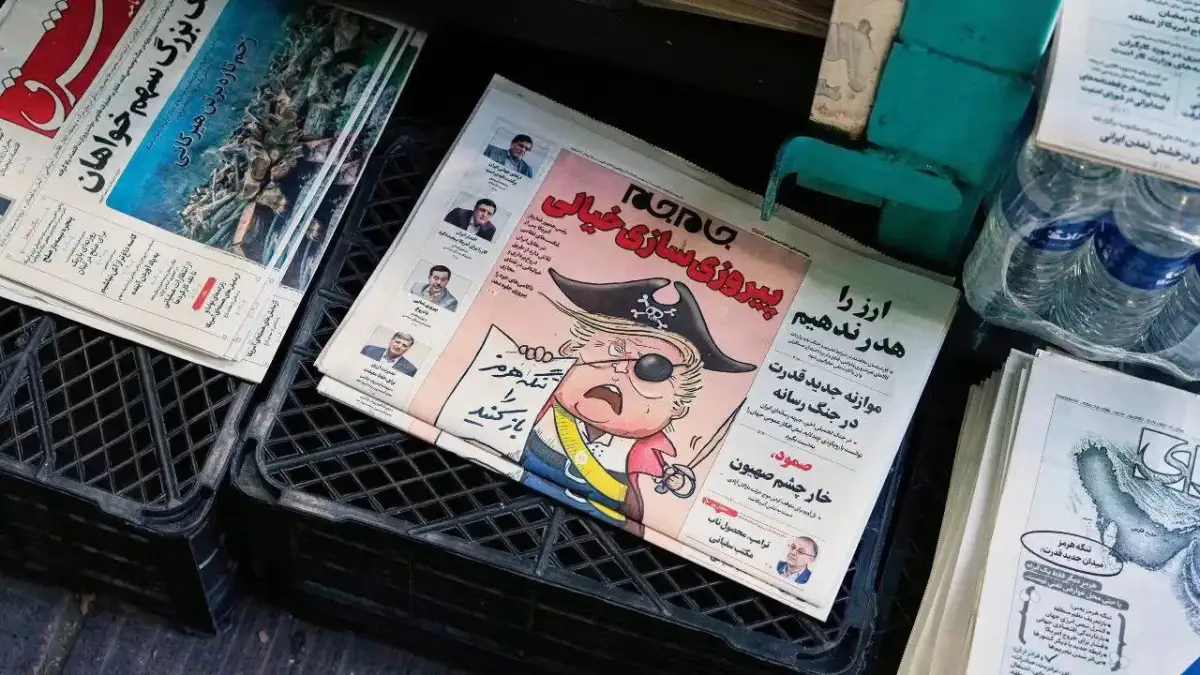
President Trump declared the ongoing cease-fire between the U.S. and Iran is on "massive life support," forcefully rejecting Tehran's latest peace proposal as "totally unacceptable" and "a piece of garbage." Iran, however, maintains its counteroffer is "reasonable" and "generous," aiming to secure sovereignty over the Strait of Hormuz and an end to hostilities.
Key Demands and Rejections
Iran's Stance: Tehran's proposal, relayed through Pakistani mediators, centers on an immediate end to the war on all fronts, the lifting of the U.S. naval blockade on Iranian ports, and guarantees against further attacks. Significantly, Iran has rejected dismantling its nuclear infrastructure and is reportedly seeking "war compensation." The foreign ministry insists the proposal is "reasonable" and aims to ensure shipping security.
U.S. Rejection: Trump’s dismissal of the proposal came swiftly, with reports suggesting he did not fully read the document before denouncing it. The U.S. president stated the cease-fire is "unbelievably weak" and expressed doubts about continuing negotiations with the current Iranian leadership.
Strait of Hormuz: Control and security of the Strait of Hormuz remain a critical point of contention. Iran's demand for sovereignty clashes with U.S. actions, including a blockade of Iranian ports implemented earlier this year and recent retaliatory strikes on Iranian military positions following alleged attacks on U.S. Navy ships.
Escalation and Diplomatic Maneuvers
The diplomatic deadlock is underscored by ongoing military tensions. U.S. forces have recently launched strikes on Iranian military facilities in response to Iran's alleged missile and drone attacks on three U.S. Navy destroyers transiting the Strait of Hormuz. Meanwhile, Oman's foreign minister has voiced an "urgent need" to free stranded ships in the strait.
The Pentagon also announced the arrival of a U.S. Navy nuclear-armed submarine in Gibraltar, a move that may signal broader strategic posturing. Washington is reportedly facilitating a new round of talks between Israel and Lebanon.
Read More: Labour MPs Want New Leader After Election Losses
Internal Complications in Tehran
Complicating matters for Iran's leadership, the absence of their supreme leader, Mojtaba Khamenei, is noted as a factor impacting negotiations. Separately, Iran reportedly executed a 29-year-old aerospace engineering student, Erfan Shakourzadeh, accused by the judiciary of spying for the CIA.
Background
A cease-fire between the U.S. and Iran, which went into effect last month, has been the fragile foundation for these discussions. The conflict has seen significant escalation, including Israeli and U.S. air strikes on Iran in late February, and Iranian retaliations against U.S. allies in the Gulf. The nuclear dispute remains a central obstacle, with Iran resisting demands to dismantle its nuclear capabilities. Indirect negotiations via written communications through Pakistani mediators are expected to continue.