WASHINGTON D.C. — President Donald Trump has signaled that renewed peace talks with Iran could materialize within the next 48 hours, following a period of intense diplomatic maneuvering and military posturing. The pronouncements come as the effectiveness of the U.S. naval blockade on the Strait of Hormuz is being tested by continued commercial and Iran-linked vessel traffic. Simultaneously, indirect yet significant progress appears to be emerging from separate, US-brokered talks between Lebanon and Israel concerning the cessation of hostilities with Hezbollah.
The U.S. military’s Central Command claimed its blockade of Iranian ports and coastal areas in the Strait of Hormuz was "fully implemented," asserting no ships had successfully passed. However, reporting from The Wall Street Journal, citing U.S. officials, indicated more than 20 commercial ships transited the Strait in the preceding 24 hours, with shipping data suggesting traffic levels remained consistent with pre-blockade figures.'Meanwhile, Vice President JD Vance stated that the U.S. had sought a "Trumpian grand bargain" with Iran, involving a 20-year freeze on its nuclear program, a proposal that met resistance from Tehran. The International Monetary Fund (IMF) has warned that the ongoing conflict could potentially trigger a global recession, adding a layer of economic gravity to the escalating tensions.
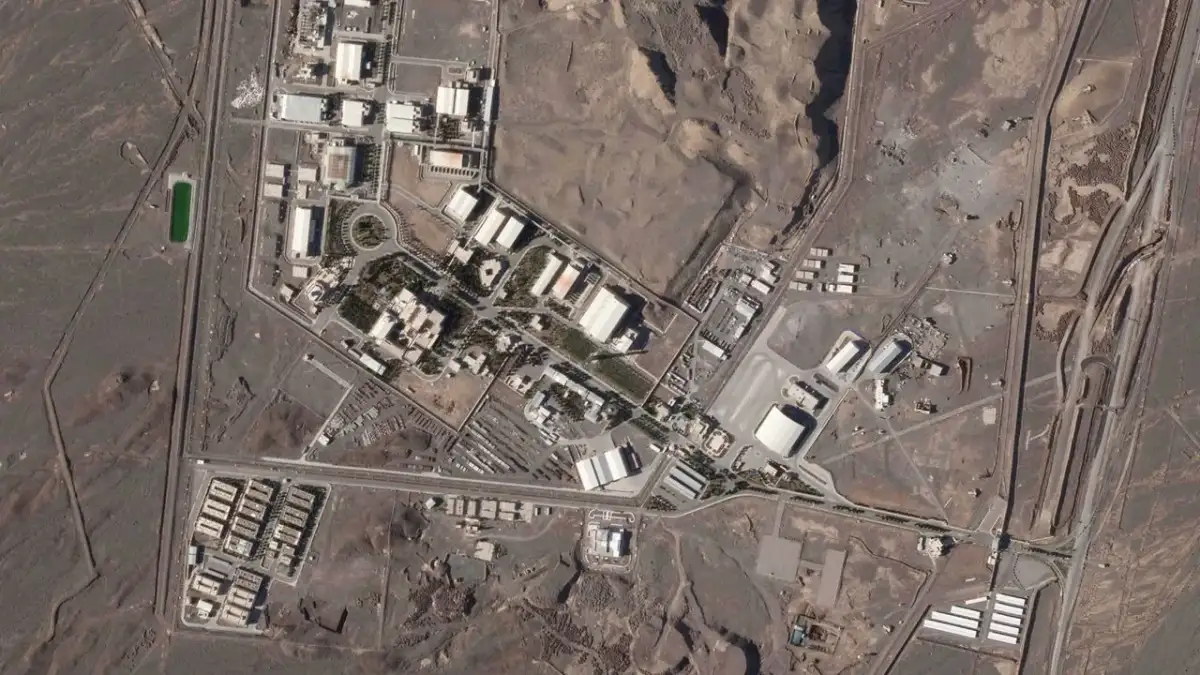
Read More: Iran Zagros Mountain Nuclear Site Construction Update April 2026

Diplomatic Crosscurrents and Military Actions
President Trump has been vocal about the possibility of resumed talks, suggesting Pakistan as a potential venue. These discussions, he indicated, could resume "over the next two days." This follows failed ceasefire negotiations over the weekend, with key sticking points identified as the reopening of the Strait of Hormuz and Iran's nuclear ambitions.
Lebanon-Israel Dialogue: The U.S. announced that Israel and Lebanon have agreed to commence direct talks aimed at de-escalating the conflict involving Hezbollah. U.S. Secretary of State Marco Rubio hosted these discussions, described as a crucial step towards broader negotiations to end the fighting, which had threatened to derail the fragile U.S.-Iran ceasefire.
Hezbollah's Stance: Hezbollah, reportedly opposing direct talks between the U.S. and Iran, has claimed responsibility for numerous attacks on northern Israel and ground troops in southern Lebanon, vowing to continue until Israeli strikes on Lebanon cease. The group's renewed conflict with Israel began on March 2, shortly after the U.S. and Israel initiated their actions against Iran.
Economic Fallout: Oil prices saw a dip as the prospect of renewed talks eased supply concerns related to the Hormuz blockade. However, France is reportedly considering capping retail fuel margins in response to market instability.
Trump's Criticisms and International Reactions
Amidst these developments, President Trump has also engaged in public criticism of Italian Prime Minister Giorgia Meloni, questioning her resolve on the Iran war and her stance on papal commentary. Meloni had previously expressed solidarity with Pope Leo XIV, who Trump had publicly admonished for advocating peace concerning Iran. Italy's decision to suspend a defense cooperation agreement with Israel and restrict U.S. aircraft landings in Sicily has also drawn Trump's ire.
Finnish Caution: Finland's Prime Minister has noted that Iran continues to hold significant leverage despite Trump's blockade measures.
Chinese Disapproval: China has characterized the Trump blockade as "dangerous."
Iraqi Contingency: Iraq's oil ministry has indicated "understandings" with both the U.S. and Iran to mitigate the blockade's impact on its oil exports.
Background: Escalation and Ceasefire Attempts
The broader conflict in the Middle East escalated following the U.S. and Israeli initiation of hostilities against Iran on March 2. This was preceded by Hezbollah's missile launches across the border into northern Israel. The U.S. military's declaration of a blockade on Iranian ports and coastal areas in the Strait of Hormuz commenced on April 14, a day after ceasefire talks between the U.S. and Iran in Pakistan concluded without a resolution. U.S. officials have also stated they will not renew a waiver on sanctions for Iranian oil at sea, which is set to expire this week.
Read More: Pakistan Envoy Starts Iran Conflict Talks in Washington Today