Justice Denied? Federal Judges Act as Gatekeepers Against Alleged Funding Freezes Targeting Democratic States.
In a series of high-stakes legal battles, federal judges have stepped in to halt the Trump administration's aggressive maneuvers to withhold critical federal funds from several Democratic-controlled states. These interventions, repeatedly affirmed by multiple judicial rulings, raise profound questions about the administration's use of federal funding as leverage and its respect for established legal processes. The latest ruling extends a block on withholding social service funds from California, Colorado, Illinois, Minnesota, and New York, forcing the administration to continue disbursing money for vital programs like child care subsidies. This follows a pattern of legal challenges where states have accused the administration of unlawfully freezing or reallocating grants and loans, impacting everything from disaster relief to counterterrorism initiatives.
Read More: People Talk About Keir Starmer's Job as Labour Leader
Why is the federal government seemingly targeting states based on their political leanings, and what does this pattern of judicial intervention reveal about the rule of law in practice?
The Funding Frontier: A Trail of Legal Battles
The recent judicial order to continue funding social service programs in California, Colorado, Illinois, Minnesota, and New York is not an isolated incident. It's the latest chapter in a developing narrative of conflict between the Trump administration and states that find themselves on the receiving end of funding scrutinies, often perceived as politically motivated.

December 2025: A federal judge blocked the Trump administration's attempt to reallocate Homeland Security funding away from states refusing to cooperate with specific federal immigration enforcement policies. This decision came shortly after another judge had already ruled it unconstitutional to condition FEMA disaster funding on such cooperation. The judge specifically cited the vital role these funds play in counterterrorism and law enforcement, highlighting events like a tragic university shooting as examples of where rapid response funding is crucial.
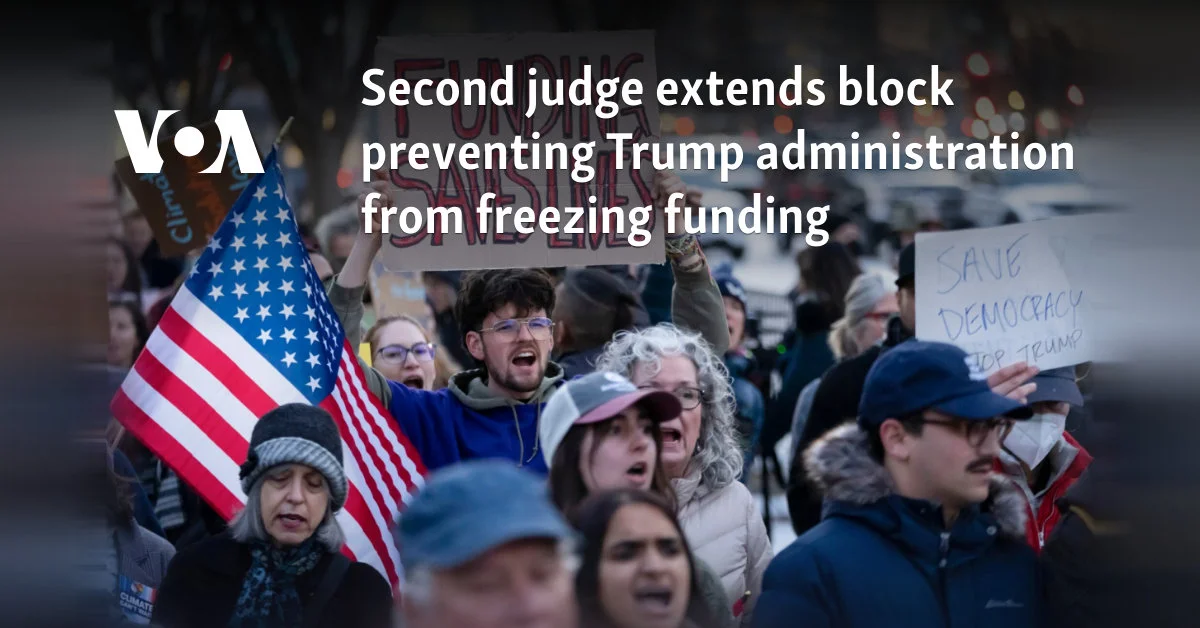
Early March 2025: A significant development occurred as a second federal judge extended a block preventing the Trump administration from freezing potentially trillions of dollars in grants and loans. While the administration rescinded a memo outlining the freeze, numerous states, universities, and non-profits argued that federal agencies were still obstructing funding or delaying clarity. This ruling underscored a continuing struggle, with some courts ordering funding restoration while the administration sought alternative ways to manage its spending reviews.
January 2026 (Most Recent): The latest ruling reiterated that the federal government cannot withhold social service funds from California, Colorado, Illinois, Minnesota, and New York amid claims of fraud. The administration had argued it was merely requiring more information, but the judge's decision indicates these increased requirements were being used as a pretext to potentially starve essential programs.
Read More: Trump Disagrees with Federalist Society, Judge Stops His Courtroom Talk
"Rather, they said, the Trump administration was requiring more information from those states. Feds can’t withhold social service funds from 5 Democratic states amid fraud claims, judge rules." (AP News)
These incidents paint a picture of a federal administration aggressively reviewing and, in some cases, attempting to curtail funding streams. The question remains: Is this a legitimate exercise of executive power in managing federal resources, or is it a politically charged weaponization of funds against perceived adversaries?
The Substance of the Dispute: What's at Stake?
The core of these legal contests revolves around the administration's authority to alter or withhold federal funding, and whether such actions are legally sound, particularly when they disproportionately affect states with differing political leadership.
Social Services on the Line
The most recent ruling directly impacts programs critical for vulnerable populations. The withholding of funds for child care subsidies and other social services can have immediate and devastating consequences for families, potentially leading to:
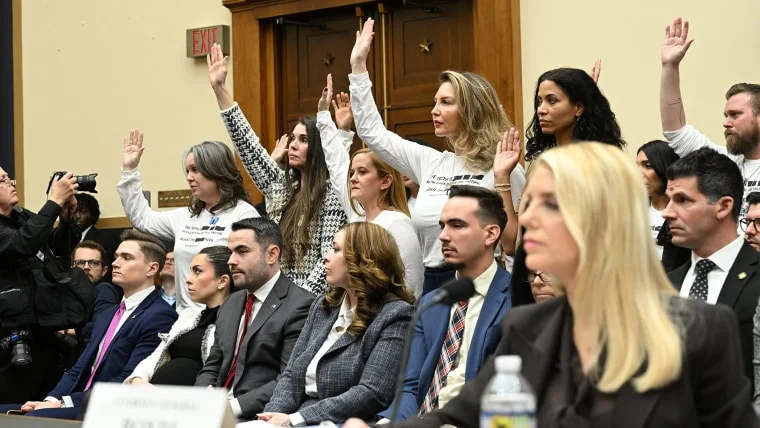
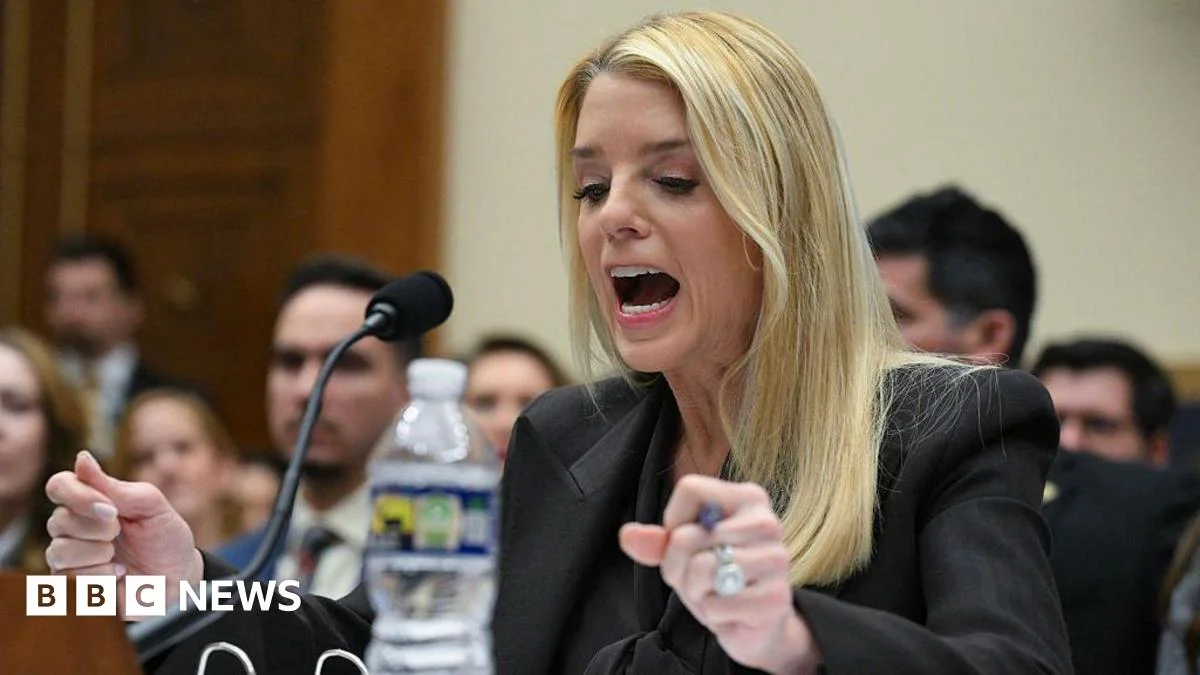
Read More: Pam Bondi Questioned About Epstein Files at Government Hearing
Disruptions in childcare: Parents, especially low-income ones, rely on these subsidies to afford care, enabling them to work. Cuts could force difficult choices between employment and childcare.
Reduced access to essential aid: Programs offering support for housing, food security, and healthcare for low-income individuals and families could be curtailed.
Erosion of state-federal partnerships: Such actions can strain the cooperative framework intended by many federal grant programs, undermining the delivery of services at the state level.
The administration's justification—claiming the states failed to provide sufficient information about fund usage—is being met with judicial skepticism. Judges are scrutinizing whether these demands are legitimate administrative requirements or thinly veiled attempts to exert political pressure.
Disaster Relief and Security Under Threat
Beyond social services, the administration's actions have also put vital disaster relief and homeland security funding at risk. The CNN report from December 2025 details how Homeland Security funding, crucial for counterterrorism and law enforcement, was targeted.
Read More: Lawmakers Question Attorney General Bondi on Epstein Files
The Policy: The administration sought to penalize states for not cooperating with certain federal immigration enforcement directives.
The Impact: This move directly threatened funding for programs that bolster state and local capabilities to respond to emergencies, from terrorist attacks to natural disasters.
The Judicial Rebuff: Judges found these conditions to be legally impermissible, particularly after a prior ruling established that FEMA disaster funds could not be conditioned on immigration cooperation.
"McElroy notably cited the recent Brown University attack, where a gunman killed two students and injured nine others, as an event where the $1 billion federal program would be vital in responding to such a tragedy." (CNN Politics)
The judicial reasoning highlights the potential real-world dangers when funding for critical public safety initiatives becomes a political football. How can states adequately prepare for and respond to emergencies if their access to essential federal resources is subject to shifting political demands?
Echoes of Past Conflicts: A Pattern of Contention
This series of judicial interventions against the Trump administration's funding decisions is not entirely new. It echoes broader themes of executive power versus states' rights and the use of federal resources as political tools.
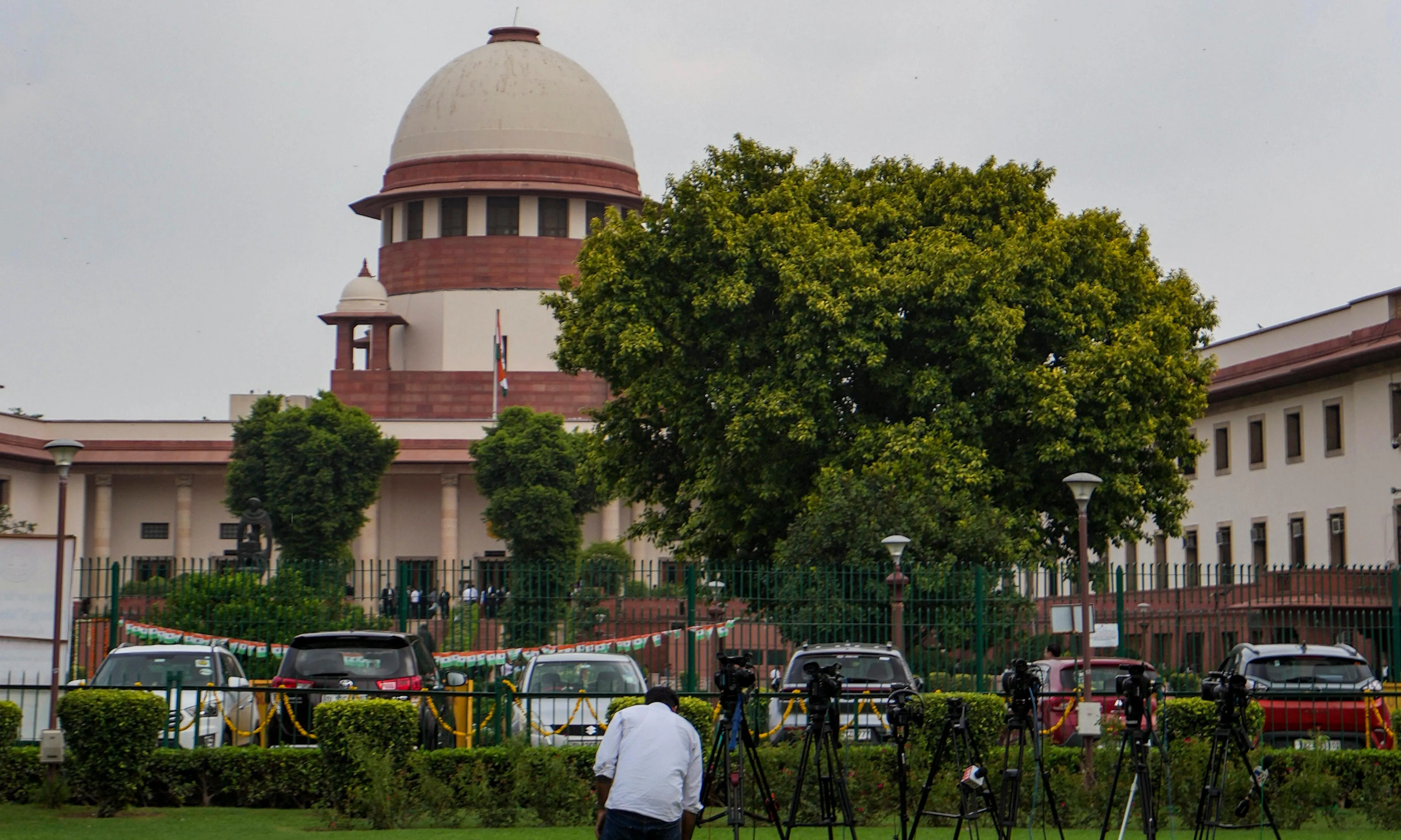
Read More: Supreme Court Asks Filmmaker About Film Title 'Ghooskhor Pandat'
The "Spending Freeze" Memo: Articles 3, 4, and 5 from March 2025 point to a broader memo outlining a freeze on federal grants and loans, potentially affecting trillions of dollars. This memo, although rescinded, led to significant uncertainty and legal challenges.
Judicial Skepticism: In these instances, judges, including Judge McConnell Jr., expressed strong doubts about the administration's legal basis for the freeze. Arguments involved deep dives into administrative law and the scope of presidential power.
Administration's Maneuvers: Despite court orders, reports suggest the administration continued to seek ways to manage or review spending, leading to ongoing friction.
| Incident Type | Affected States/Entities | Funding Area | Judicial Outcome | Administration Justification |
|---|---|---|---|---|
| Social Service Funds | CA, CO, IL, MN, NY | Child Care, Social Services | Blocked withholding of funds (Ongoing) | Claims of insufficient information/fraud |
| Homeland Security Funds | Unspecified (Dem-led states) | Counterterrorism, Law Enforcement | Blocked reallocation/withholding | Non-cooperation with immigration enforcement |
| Grants & Loans Freeze | States, Universities, Non-profits | Broad range of programs | Blocked freeze (Extended) | "Spending review" / Fiscal prudence |
Read More: Congress Leader Accuses Finance Minister of Lying to Parliament About WTO Deal
This table illustrates a recurring theme: judicial intervention aimed at preserving access to federal funds when the administration's actions are challenged as unlawful or politically motivated.

The persistent pattern of judges overturning or blocking the administration's attempts to withhold or reallocate funds suggests a fundamental disagreement over the administration's interpretation of its authority. Are these judicial rebuffs merely procedural roadblocks, or do they signify a deeper concern about the executive branch overstepping its bounds?
Free-Thinker's Verdict: Accountability and Transparency Needed
The repeated judicial interventions serve as a stark reminder that federal funding is not an executive plaything. When the Trump administration attempts to leverage federal dollars—whether for social services, disaster relief, or broad grants—in ways that appear politically targeted, the courts have consistently stepped in as a check.
Read More: Pam Bondi Questioned on Epstein Files and Justice Department
The administration's stated justifications, often revolving around fraud concerns or the need for more information, are being rigorously tested against the legal framework governing federal grants and executive power. The fact that multiple judges, in different jurisdictions and on different occasions, have ruled against the administration on similar grounds is significant. It suggests that the administration's approach is not a series of isolated administrative adjustments but a pattern that clashes with established legal norms and the principle of equitable treatment for all states.
The implications are far-reaching:
Undermining Trust: Such actions erode trust between federal and state governments, crucial for effective policy implementation.
Harming Constituents: Ultimately, it's the citizens of targeted states who suffer when essential services are threatened.
Testing Constitutional Limits: These legal battles probe the boundaries of executive authority and the checks and balances designed to prevent its abuse.
Moving forward, the critical questions remain: Will the administration respect these judicial mandates, or will it continue to explore avenues to circumvent them? And more importantly, what does this sustained conflict reveal about the administration's fundamental respect for the rule of law and the equitable distribution of federal resources? The continued scrutiny by the judiciary is essential, but a deeper conversation about transparency and accountability in the allocation of federal funds is urgently needed.
Sources:
Article 1 & 6 (AP News): Feds can't withhold social service funds from 5 Democratic states amid fraud claims, judge rules - https://apnews.com/article/social-service-funds-trump-democratic-states-536a40afc6abca52bd9a660196394333 and https://apnews.com/article/child-care-democratic-states-trump-programs-c844f4822ebbf7031f7e91cb251d5072
Article 2 (CNN Politics): Federal judge says Trump administration must restore disaster money to Democratic states - https://www.cnn.com/2025/12/24/politics/trump-administration-disaster-money-democratic-states
Article 3, 4, & 5 (PBS, NPR, VOA News): Second federal judge extends block stopping Trump from freezing grants and loans - https://www.pbs.org/newshour/politics/second-federal-judge-extends-block-stopping-trump-from-freezing-grants-and-loans, A second federal judge has ruled to block the Trump administration's spending freeze - https://www.npr.org/2025/03/06/nx-s1-5312069/trump-federal-funding-freeze-court-order, and Second judge extends block preventing Trump administration from freezing funding - https://www.voanews.com/a/second-judge-extends-block-preventing-trump-administration-from-freezing-funding/8001155.html