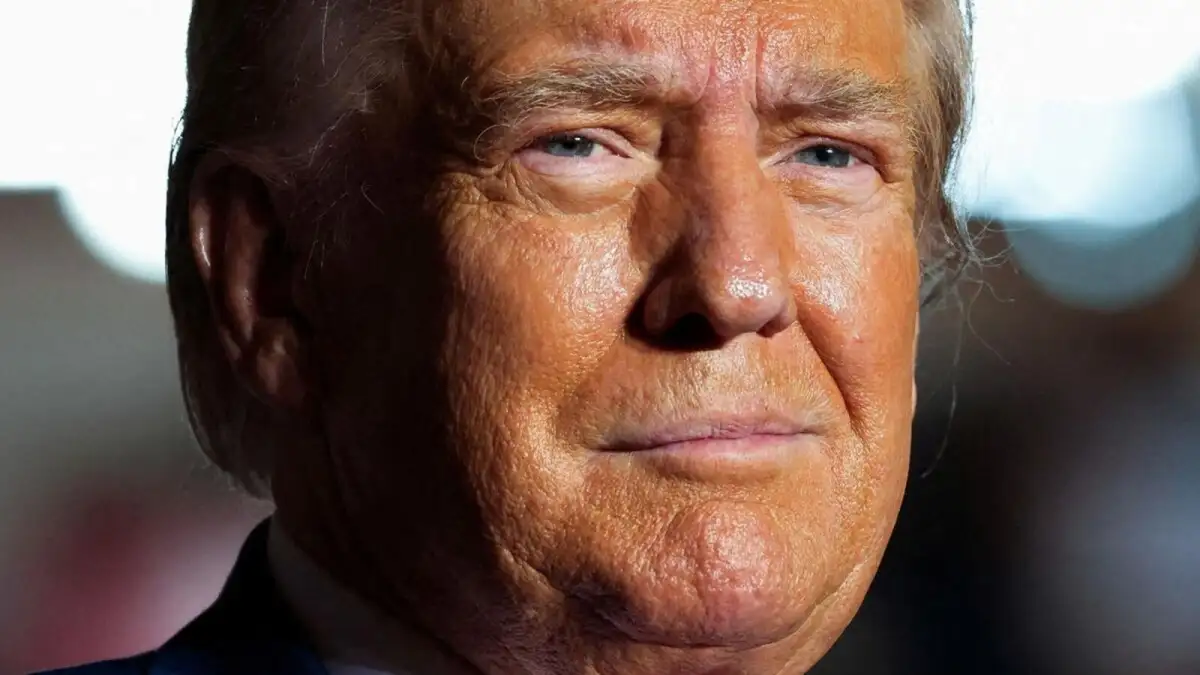
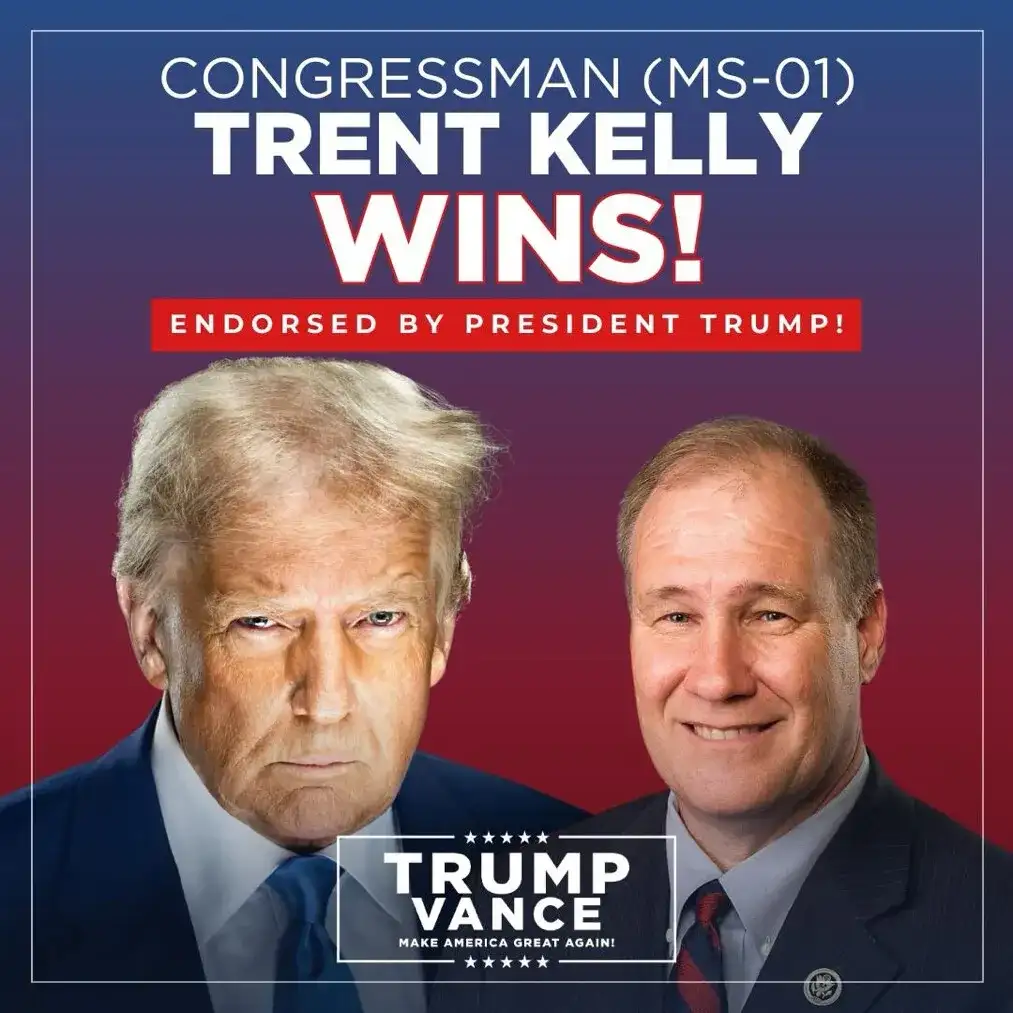
Donald Trump is publicly celebrating a 5-0 sweep of his endorsed candidates in recent Republican primary elections held in Mississippi and Georgia. The former president has leveraged these results to underscore the perceived power of his endorsements. This claim of success comes as multiple candidates, including Marjorie Taylor Greene, have publicly credited Trump's backing for their electoral progress.
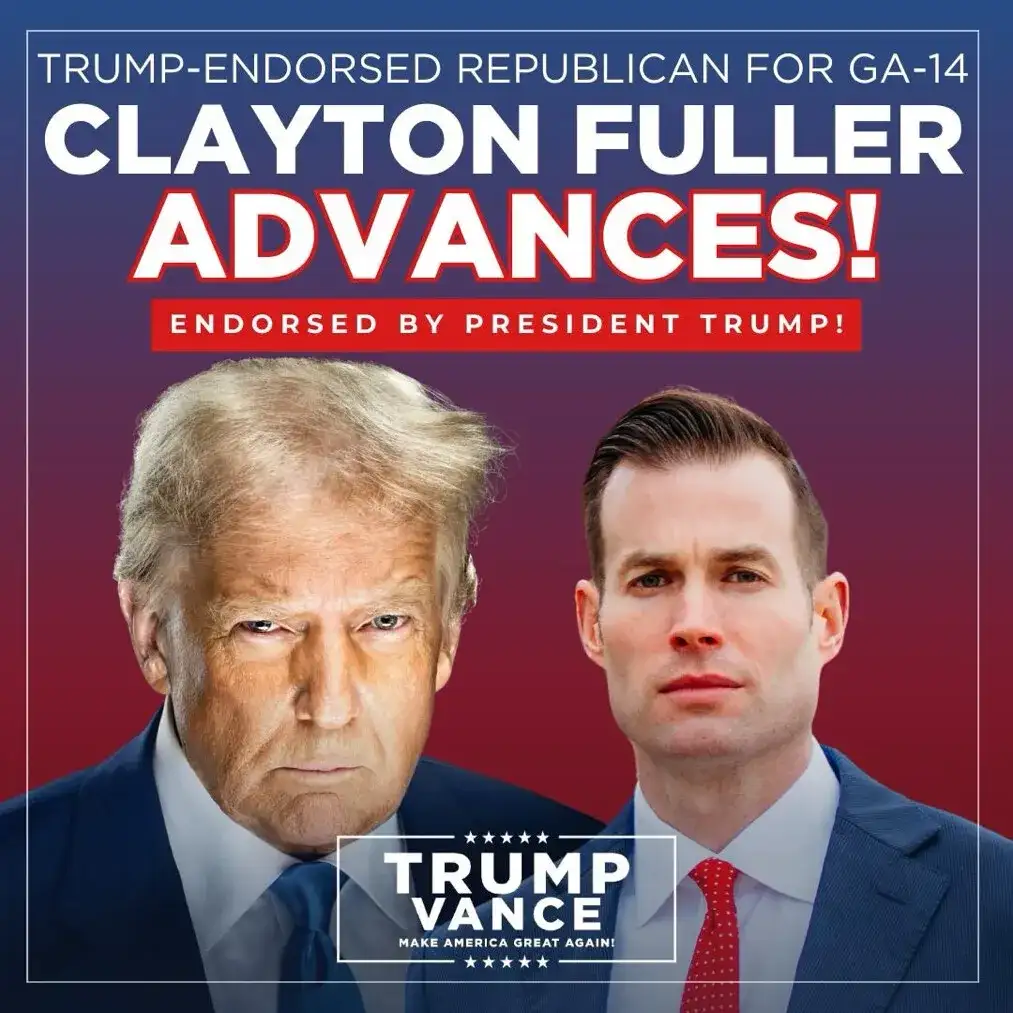
Trump’s assertion of a flawless victory in Mississippi and Georgia follows a pattern where he highlights endorsements as a decisive factor in primary outcomes. This narrative is further supported by his involvement in other primary cycles, such as in Illinois where three Trump-endorsed incumbents were scheduled to compete. The timing of these pronouncements also coincides with discussions surrounding his potential 2024 presidential ambitions.
Further complicating the narrative of uniform success, reports indicate varying degrees of impact from Trump's endorsements across different states. While a strong showing was reported in Arizona, with 11 out of 12 endorsed candidates winning their primaries, and in Texas where 26 out of 29 endorsed candidates secured victory, the assertion of universal potency is not without its counterpoints. Some analyses suggest that while Trump's endorsement is a significant factor, it does not unilaterally guarantee success, pointing to instances where endorsed candidates faced challenges or did not emerge victorious.
Read More: Taiwan Holds Nantou County Drills to Prepare for State Collapse
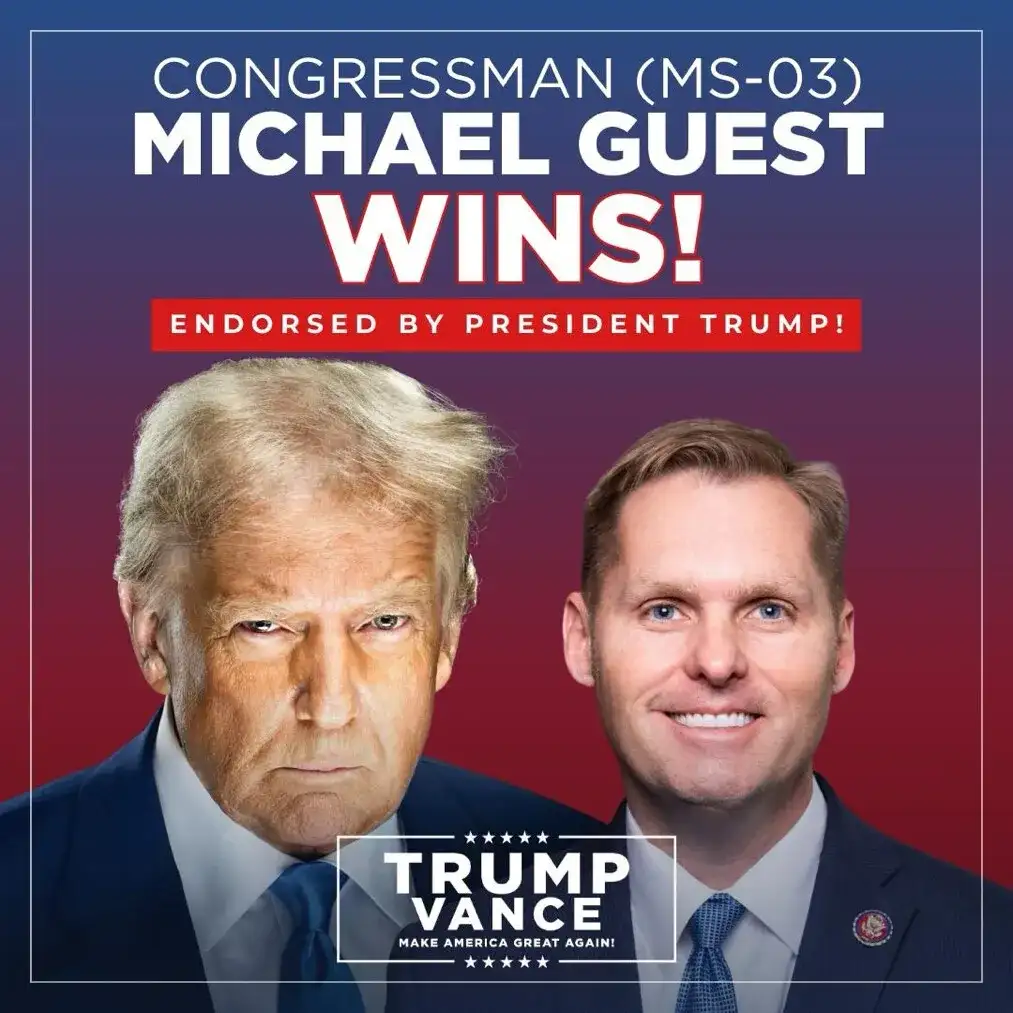
A Broader Landscape of Endorsements
The reach of Trump's endorsements extends across a wide spectrum of federal and state races. His backing has been sought by candidates for U.S. Senate seats in numerous states, including Arizona, Florida, Indiana, Ohio, and Wisconsin, among others. Similarly, gubernatorial races in states like Indiana, Missouri, Georgia, and West Virginia have seen candidates vying for his support. The list of individuals who have received Trump's endorsement spans a considerable range of political figures, indicating a broad effort to influence the Republican party landscape.
Read More: Aboriginal Voters Turned Away From SA Polling Stations on Election Day
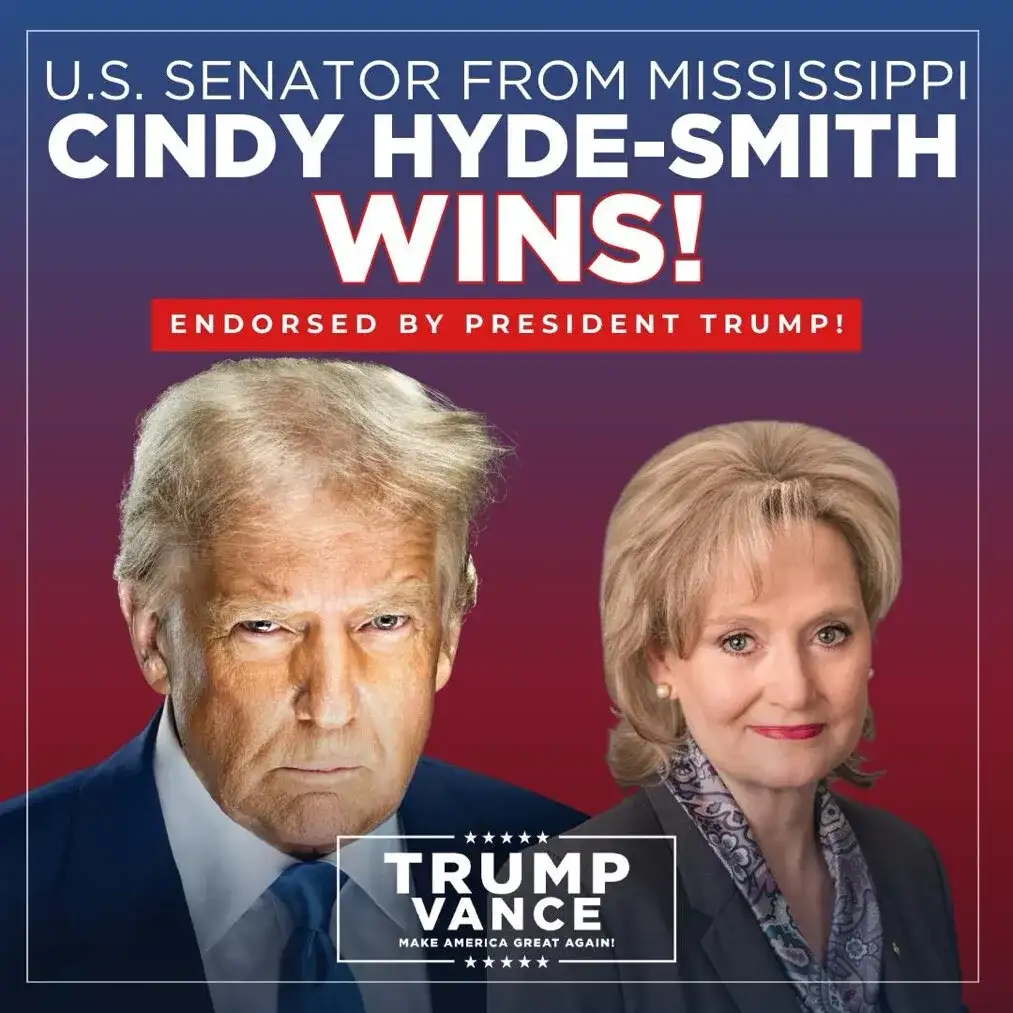
Context and Scrutiny
Trump's claims of endorsement dominance have been met with both affirmation and skepticism. While his allies and some media outlets have amplified his message of success, others have critically examined the actual impact of his endorsements, suggesting that while influential, they are not an absolute determinant of electoral outcomes. The effectiveness of his endorsements is frequently framed within the broader context of his ongoing influence within the Republican party and his future political aspirations. The dynamic highlights the tension between the declarative power of an endorsement and the complex realities of electoral competition.