


The United States, under President Trump's direction, has intensified military actions against Iran, coinciding with Trump's public demand for the country's "unconditional surrender." This escalates a conflict that has already seen significant Israeli strikes and Iranian missile launches, creating a volatile situation in the Middle East.

Recent developments point to a widening scope of the hostilities. Israel has conducted new waves of strikes targeting Tehran and other locations, while Iran has launched missiles toward Israel. These actions follow the reported killing of Iran's Supreme Leader Ayatollah Ali Khamenei during initial U.S.-Israeli strikes on February 28. Iranian officials claim at least 1,332 people have been killed in Iran since the conflict began.

President Trump, in remarks made on social media, articulated his demand for Iran's unconditional capitulation. This declaration comes amid signals of potential diplomatic mediation efforts, initiated by Iran's president. However, Trump has also asserted his intention to influence the selection of Iran's next supreme leader, a position left vacant by Khamenei's death.
Read More: Dubai appeal questioned as global tensions rise and South Asians rethink plans
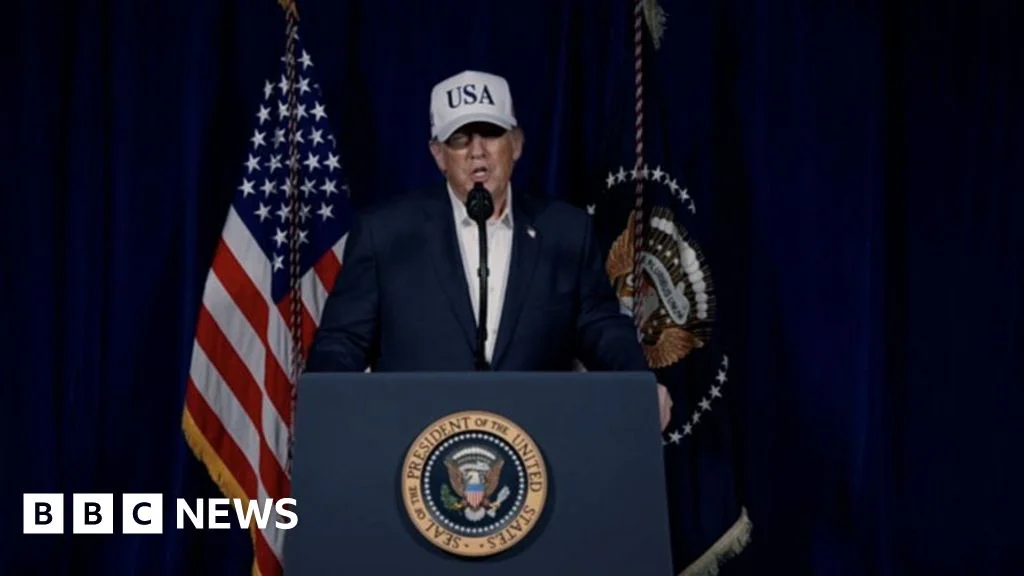
The administration's rationale for the U.S. military actions has also been subject to shifts. Initially, the focus was on Iran's nuclear program, with officials, including Trump, reportedly having "overstated Iran’s capabilities to attack the US and just how close Tehran was from developing a nuclear weapon," according to sources speaking to CNN. Another stated reason for the U.S. attack was Iran's alleged preparation for preemptive strikes against U.S. forces in the region.

International Ramifications and Military Industrial Engagement
The conflict's impact extends beyond direct hostilities. Reports indicate casualties in countries like Kuwait, with one person killed and 32 injured due to Iranian strikes. The Strait of Hormuz, a critical waterway, has reportedly been closed by Iran, raising concerns about energy supply shocks and causing oil prices to surge. This has led to significant drops in global stock markets.
Read More: US Navy May Escort Oil Tankers Through Hormuz Strait After Iran Conflict
In response to the heightened tensions and perceived threats to shipping, the U.S. has announced plans to offer insurance for Gulf shipping and escort tankers. The U.S. has also closed its embassies in Saudi Arabia and Kuwait.
Concurrently, President Trump met with executives from several defense contractors, who reportedly agreed to accelerate weapons production. This engagement with the defense industry suggests a commitment to sustaining or increasing military readiness and output.
Shifting Narratives and Unclear Objectives
The framing of the conflict by the Trump administration appears to be multifaceted and at times contradictory. While some official statements have emphasized the threat of Iran's nuclear program, others have cited Iran's alleged intentions to strike U.S. forces. The stated objectives and the long-term strategy behind the escalating U.S. involvement remain subjects of observation and analysis.
Read More: US Offers $20 Billion Backstop for Gulf Tanker Trade Amid Attacks
Background Context
The current military actions represent a significant escalation beyond previous U.S. engagements in the region. Reports suggest the scale and scope of the recent strikes are intended to be substantially larger than earlier U.S. operations. This heightened confrontation follows a period of strained relations and earlier U.S. military actions, including airstrikes and an attack on Venezuela, as noted in the reporting. The involvement of Iran's neighbors, such as Hezbollah, in retaliatory actions, further complicates the regional security landscape.