

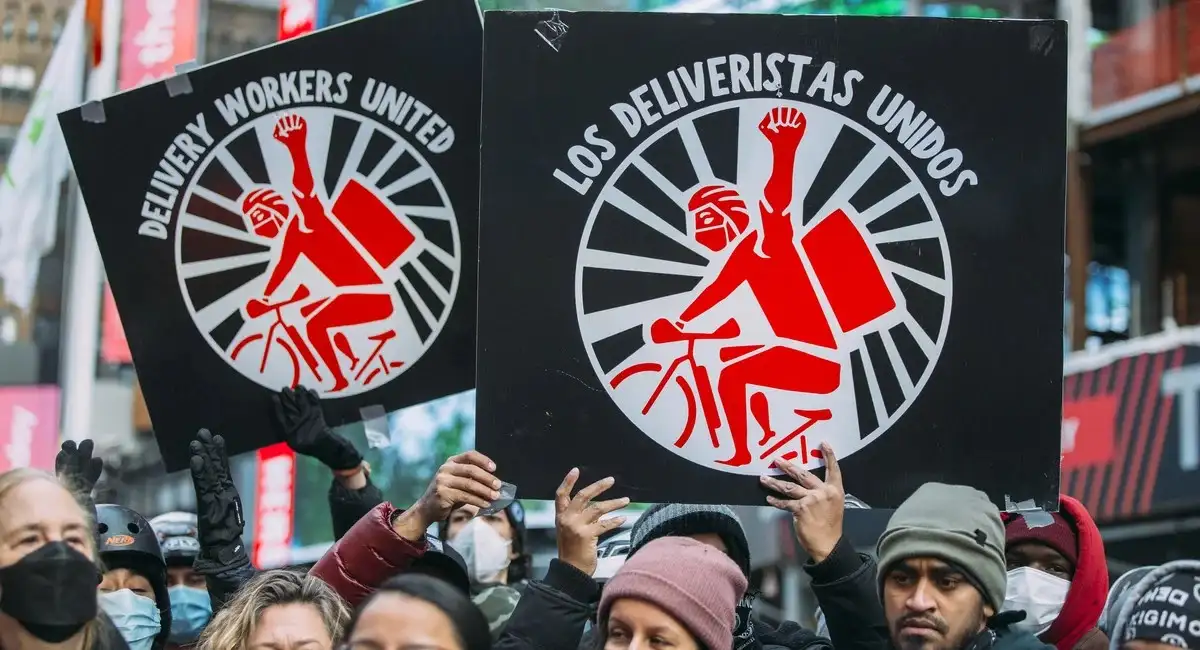
NEW YORK CITY’S ATTEMPT TO REDIRECT REVENUE TOWARDS DELIVERY WORKERS THROUGH MANDATED PRE-ORDER TIPPING MECHANISMS HAS SPARKED A FIERCE DEBATE, RAISING QUESTIONS ABOUT THE FUTURE OF DELIVERY SERVICES IN THE METROPOLIS.
A recently enacted city mandate requires food delivery applications to incorporate a feature prompting customers to tip before their orders are finalized. This legislative move, spearheaded by an administration critical of existing service structures, aims to ensure delivery personnel receive a more substantial and immediate portion of their earnings, effectively bypassing the traditional post-delivery tipping practice. The policy dictates that delivery workers should earn at least a minimum hourly wage, with the rate fluctuating based on active delivery time versus time spent waiting for orders.
This intervention into the operational mechanics of platforms like DoorDash, Uber Eats, and Instacart has ignited concerns. Critics suggest the move could prove detrimental to the platforms themselves, potentially prompting them to reconsider their presence in the city. The core of the contention lies in the pre-emptive nature of the tipping requirement, which some argue places undue pressure on consumers and creates a situation where the delivery service’s quality might be judged after a tip has already been committed.
Read More: FIFA World Cup 2026 Revenue Reaches $15 Billion With New Ticket Prices
DELIVERY PLATFORMS’ REACTIONS AND CONCERNS
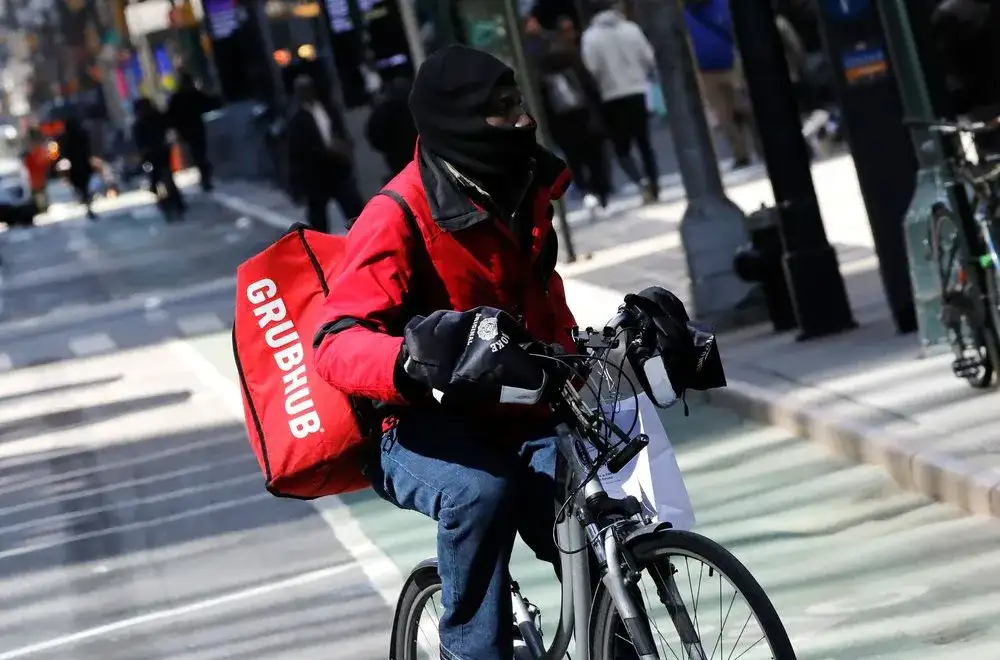
Delivery app spokespeople have articulated unease with the new regulations. One platform, Grubhub, has voiced apprehension about its ability to maintain direct customer relationships. They fear that by being forced to integrate mandated tipping, they might lose leverage in communicating directly with consumers, potentially hindering efforts to encourage patrons to order through the app’s own channels rather than directly from restaurants. The argument presented is that delivery apps currently benefit from their prominent visibility in search results, a position they fear could be jeopardized if customer engagement is altered by mandated pre-tipping.

DELIVERY WORKERS' PERSPECTIVES
Conversely, delivery workers have expressed that current app structures hinder their ability to receive tips. The new legislation, therefore, is viewed by some as a necessary corrective measure, intended to provide a more reliable income stream. The law’s architects contend that it offers a more equitable compensation model for workers, who can receive a higher hourly rate when actively engaged in deliveries. This contrasts with scenarios where workers are compensated at a lower rate during periods of inactivity, i.e., while waiting for new orders.
Read More: Donna Kelce arrives in NYC for Taylor Swift wedding on April 7 2026
HISTORICAL CONTEXT AND BROADER IMPLICATIONS
This development arrives amidst a broader discussion about the gig economy and the sustainability of delivery services in densely populated urban environments. Past "hacks" and money-saving strategies, such as exploiting new customer coupon codes through alternate email addresses, highlight a historical consumer tendency to seek cost efficiencies in the delivery ecosystem. These practices, while effective for consumers, underscore the intricate and often opportunistic dynamics that have characterized the food delivery market for years. The current mandate appears to be an attempt by city administration to fundamentally alter these dynamics, shifting focus from consumer savings to worker compensation, albeit through methods that court controversy and uncertainty.


:max_bytes(150000):strip_icc():focal(799x0:801x2)/nyc-sky-taylor-swift-travis-kelce-wedding-070326-2dc0d912004b400eac2c8c8b5adeff2a.jpg)


