


Shifting Sands of Player Acquisition Emerge
The Washington Commanders appear to be navigating a complex and somewhat fluid approach to player acquisition, leaning heavily on known quantities and a strategy that emphasizes speed and immediate impact. Recent reports suggest a focus on bringing in established names, some with past ties to the current coaching staff, while simultaneously evaluating depth and potential upgrades across various positions. This approach, marked by one-year deals and an openness to significant trades, indicates a period of strategic flux rather than a definitive long-term building plan.

The team's free agency strategy last offseason revolved around players whose careers previously intersected with key personnel like Peters, Quinn, and offensive coordinator Kliff Kingsbury. This past overlap seems to be a guiding principle, suggesting a comfort level with players whose systems and capabilities are already understood. For instance, discussions around acquiring wide receivers like Deebo Samuel or Cooper Kupp point towards a desire for proven playmakers, though the feasibility and cost of such moves remain a subject of ongoing speculation. The potential trade for Samuel is even being discussed, notably involving Garrett's contract which might complicate immediate deals for Cleveland.
Read More: Jeremy Peña's fractured finger: Dominican Republic WBC and Astros Opening Day status uncertain

On the defensive front, while the linebacker corps sees familiar faces like Frankie Luvu on the final year of his contract alongside others on rookie or shorter-term deals, the defensive line has been noted as having sufficient depth. However, the mention of players like Fowler, despite a recent season-ending injury, highlights a willingness to consider veterans who can still contribute in specific roles. This past season, Fowler's productivity as a role player was evident, though his injury status introduces an element of risk.
Read More: Football league will not replay match after Billy Vigar's fatal collision
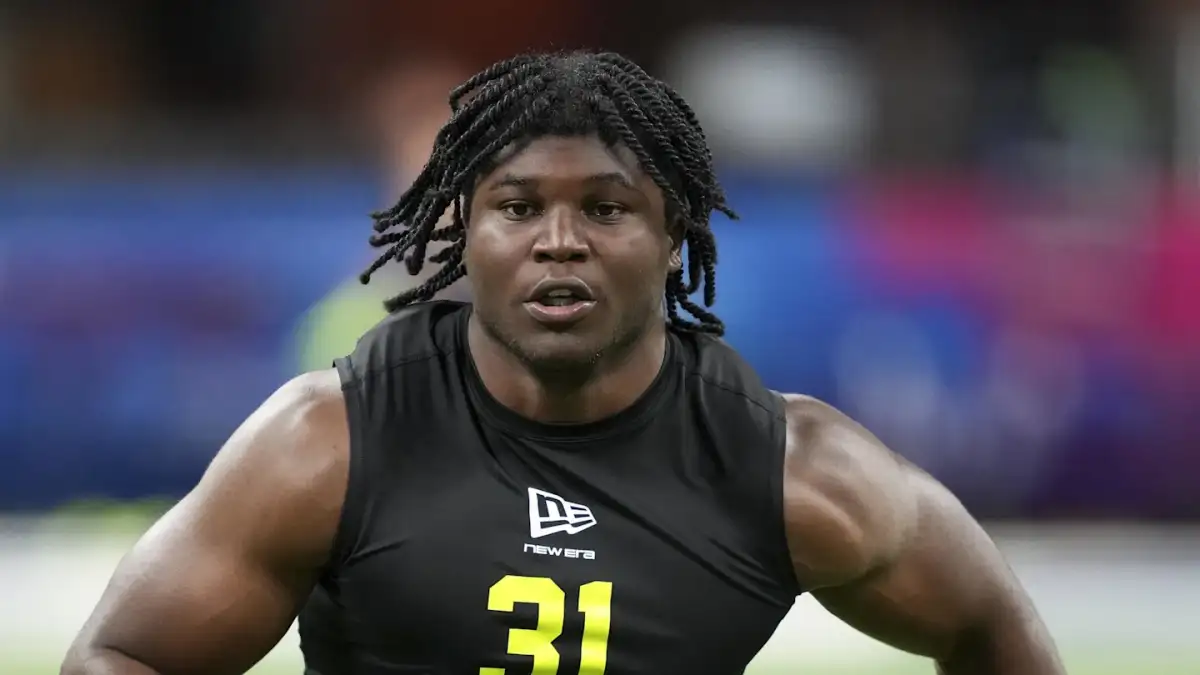
The offensive side also shows a pattern of short-term solutions. Several wide receivers, including K.J. Osborn, have reportedly signed one-year agreements, signaling a need for immediate contributions without long-term commitment. Similarly, tight end Ertz is returning on a one-year deal. This tactic suggests a team actively seeking to fill immediate needs while keeping future options open, potentially for upcoming drafts or subsequent free agency periods.
Underlying Currents of Player Evaluation
The emphasis on certain athletic traits, such as 'speed and athleticism,' is a recurring theme in evaluating potential targets. This is evident in the assessment of linebackers where 'aggressiveness' is balanced against the ability to prevent missed tackles, a dynamic that points towards a preference for high-energy, impact players. The running back position also saw a player with significant 'all-purpose yards' and 'special teams touchdowns' highlighted, further underscoring the value placed on versatile, high-impact contributors.
Background Noise: The Offseason Landscape
The broader NFL landscape, as of early 2025 and extending into projections for 2026, reveals a league in constant motion. Teams are often balancing immediate roster needs with long-term strategic planning, a difficult act to master. The Commanders' approach, with its blend of familiar faces and short-term signings, places them within a common cohort of teams trying to maximize immediate competitiveness while not entirely shutting the door on future flexibility. The fluctuating nature of player contracts and trade possibilities means that what appears certain today could shift considerably tomorrow, leaving the ultimate shape of the Commanders' roster an ongoing narrative.