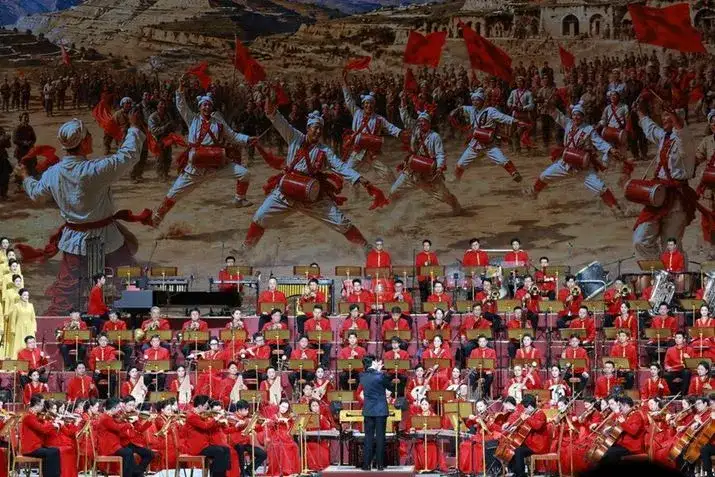
National People's Congress (NPC) deputies and Chinese People's Political Consultative Conference (CPPCC) members were noticeably unavailable for interviews during the recent gathering in Beijing, marking a significant departure from previous years and raising questions about transparency at the heart of Chinese power. Reporters, granted rare access to the Great Hall of the People, found themselves largely confined to upper-floor balconies, observing a meticulously staged opening session.
Premier Li Qiang unveiled a reduced GDP target, the lowest in decades, during the event. This economic recalibration occurred against a backdrop where officials actively avoided direct engagement with the press, presenting a unified front of polite silence. The usual channels for seeking comment or clarification from the individuals shaping China's policy appeared to be deliberately obscured.
"We met a great wall of polite silence at China's National People's Congress."
The situation at the Great Hall, often described as the central stage of China's political life, highlighted a shift in how the nation's leadership interacts with external scrutiny. While the NPC deputies and CPPCC members are designated to offer advice on national development, their accessibility to reporters seeking to understand these deliberations seemed severely curtailed.
Read More: Taiwan Holds Nantou County Drills to Prepare for State Collapse
This deliberate distance between officials and journalists occurred despite specific efforts by some reporters to bridge the gap, including one instance where a journalist introduced themselves and posed a question entirely in Chinese. The experience underscored a perceived effort to control the narrative and limit the opportunity for spontaneous or critical questioning during a period of significant economic adjustment. The backdrop of Tian'anmen Square, a potent symbol of national presence, seemed to amplify the weight of this restricted access for those present.