Executive Order Cites Defense and Food Supply Vulnerabilities
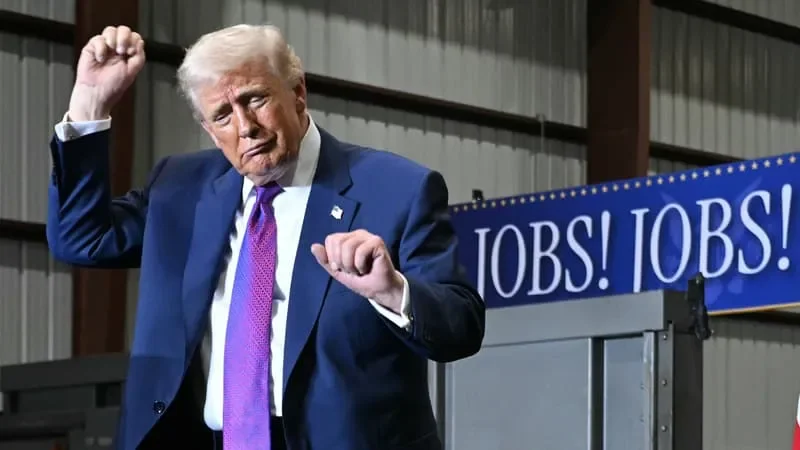
President Donald Trump has issued an executive order leveraging the 'Defense Production Act' to prioritize and secure domestic production of glyphosate-based herbicides and elemental phosphorus. The order explicitly states that interruptions in the supply of these materials could critically endanger the nation's defense industrial base and food supply, leaving them vulnerable to "hostile foreign actors." This declaration elevates the production of these chemicals to a national security imperative, aimed at bolstering domestic manufacturing and protecting established supply chains.
The order mandates that the Secretary of Agriculture, in consultation with the Secretary of Defense, determine and implement nationwide priorities for the materials, services, and facilities necessary to ensure a consistent and adequate supply of elemental phosphorus and glyphosate-based herbicides. This directive includes provisions to ensure that compliance with federal directives does not jeopardize the financial viability of domestic producers.
Read More: Acting DNI Pulte Fires Dozens of Intelligence Officials Starting Thursday
Implications for Litigation and Bayer's Role
The executive order appears to offer a significant buffer against the deluge of lawsuits concerning glyphosate-based herbicides, such as 'Roundup', which have been linked by some studies to cancer. By designating glyphosate production as vital for national defense, the order may provide a degree of legal immunity to domestic producers who comply with federal directives. This move comes as Bayer, the sole domestic producer of glyphosate and a form of elemental phosphorus known as white phosphorus, faces mounting litigation. Bayer has indicated that ongoing legal challenges could force it to cease producing glyphosate herbicides for the U.S. market.
The company, which also supplies white phosphorus through intermediaries to the U.S. military for munitions, has been actively seeking relief from litigation pressure, including efforts to influence legislative language that could limit the ability to sue. Bayer has publicly applauded the executive order, framing it as a confirmation of farmers' needs for access to the herbicide.
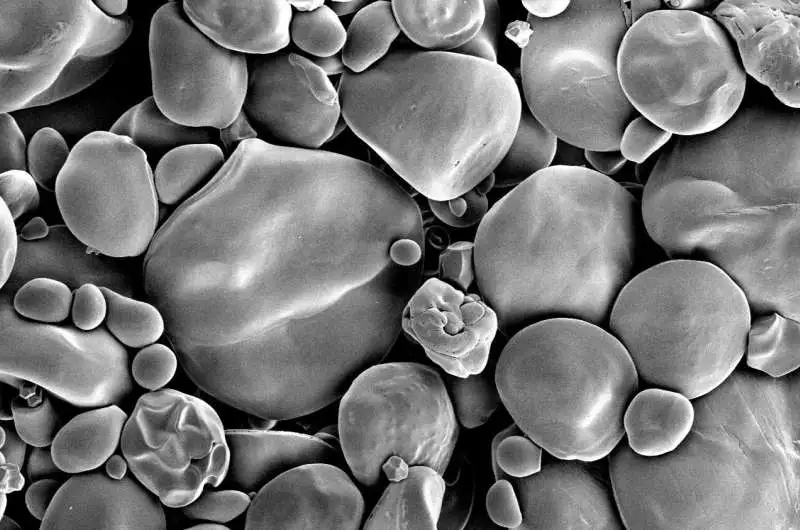
Read More: New Wheat Makes Bigger Starch for Food and Industry
Domestic Production Landscape and "America First" Industrial Policy
The White House fact sheet highlights that there is currently only one domestic producer of both elemental phosphorus and glyphosate-based herbicides, with U.S. needs reportedly exceeding current output. This limited production capacity is presented as a critical vulnerability. The order aligns with a broader "America First" industrial policy focused on securing domestic supply chains and strengthening manufacturing sectors deemed essential for national and economic security. While Mosaic is noted as a major North American producer of concentrated phosphate crop nutrients, Bayer is identified as the singular U.S. entity manufacturing elemental phosphorus for glyphosate production.
Backlash and Broader Concerns
The President's directive has not been met with universal approval. Some within the 'Make America Healthy Again' movement, a significant part of Trump's political coalition, have expressed frustration and anger, viewing the order as an embrace of chemicals they believe are harmful to human health. Activists worry that the executive order could shield chemical companies from accountability for alleged health impacts and inadequate warning labels. While the administration maintains the order does not endorse any specific product, the move has been characterized by critics as using a "wartime law" to protect a controversial weedkiller.
Read More: US AI compute access rules change on April 7 2026 for national security