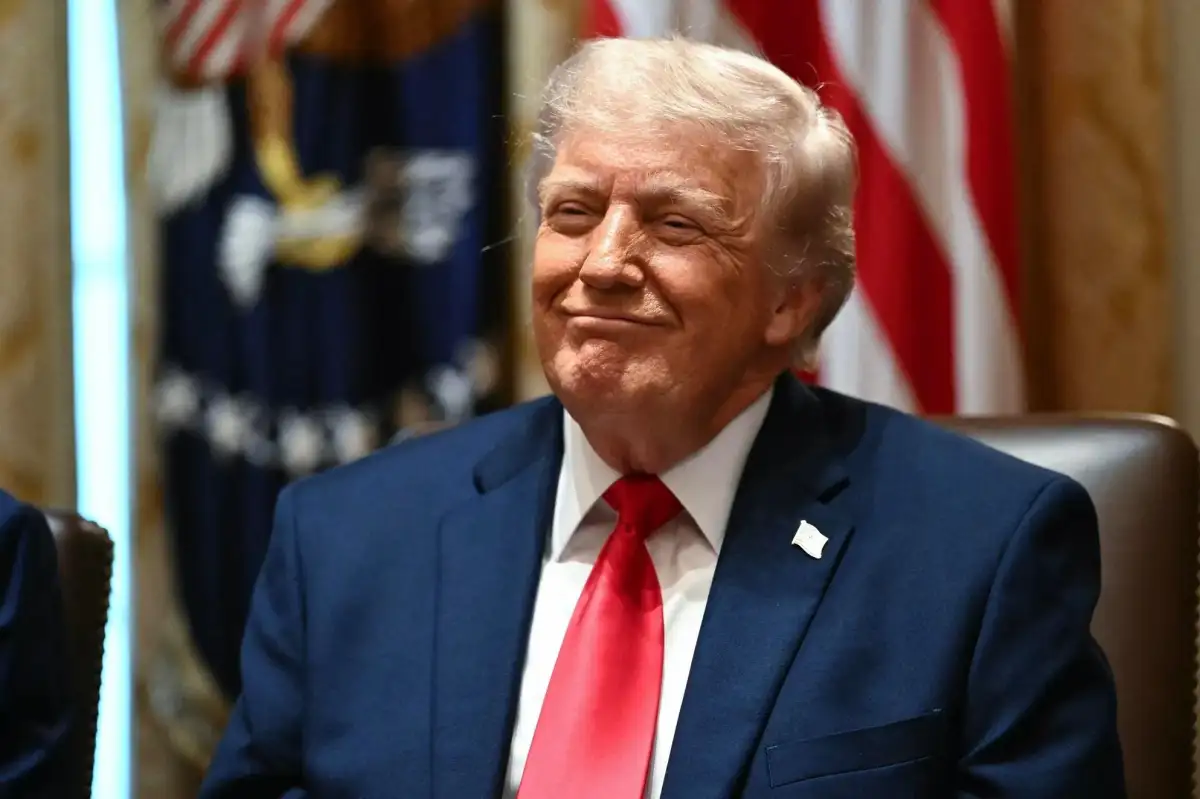
A murky cloud hangs over the purported demise of President Donald Trump's $1.8 billion "anti-weaponization" fund. While acting Attorney General Todd Blanche has publicly declared the fund is "dead" and the administration is "not moving forward," Trump himself has cast doubt on these pronouncements, stating he "would have to ask the lawyers" about its status. This equivocation follows a period of intense bipartisan opposition and legislative pressure, which seemingly compelled the Justice Department to backtrack on the fund's establishment.
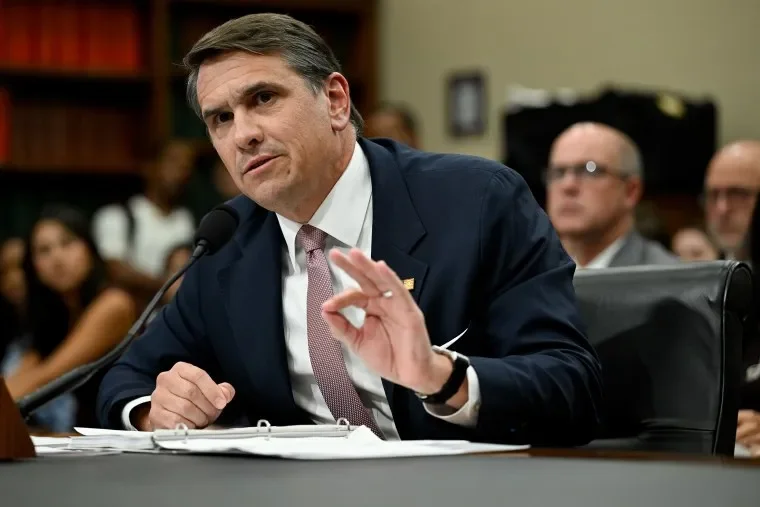
The Justice Department's initial embrace and subsequent retreat from the "anti-weaponization" fund underscore a pattern of procedural opacity and political expediency. Trump's own recent remarks inject a fresh layer of uncertainty, suggesting that while official statements may declare the matter settled, the underlying mechanisms or intentions may not be so easily dismissed. This ambiguity arises from a settlement between the IRS and Trump, his organization, and his sons, following Trump's $10 billion lawsuit over leaked tax documents.
Read More: Taiwan Holds Nantou County Drills to Prepare for State Collapse
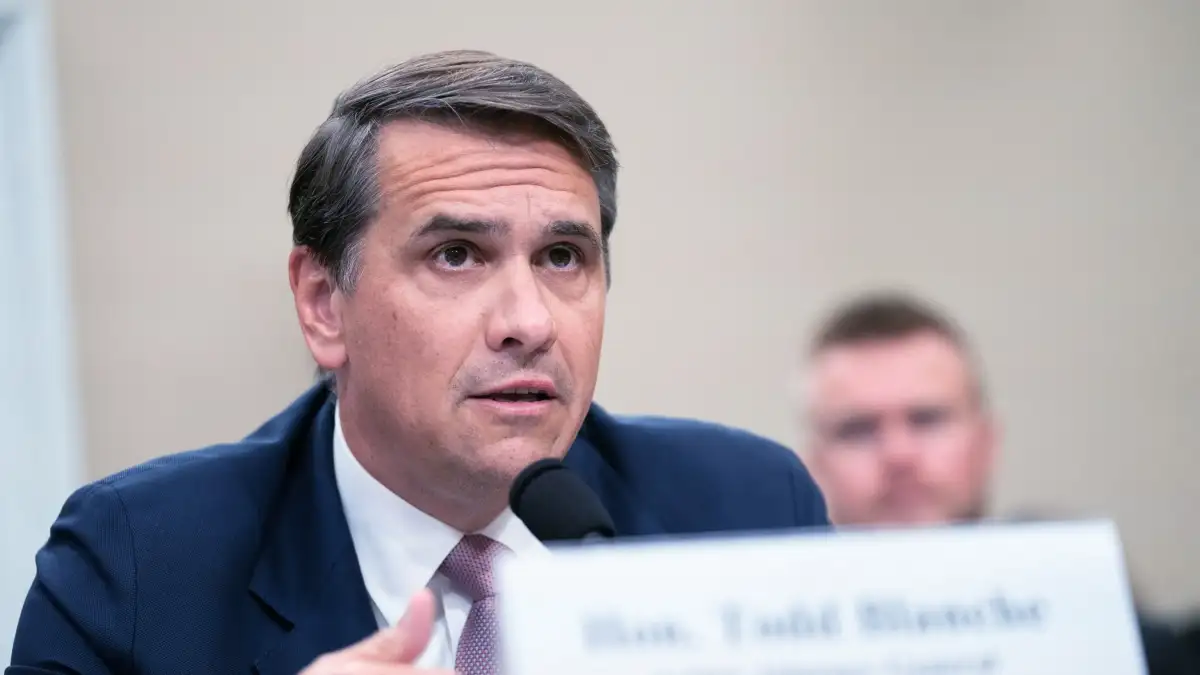
Congressional Backlash Forces Hand
The fund, characterized by critics as a "slush fund," ignited fierce condemnation from both sides of the aisle. Republican leaders, including Senate Minority Leader Chuck Schumer and Senate Majority Leader John Thune, explicitly signaled their disapproval, linking the fund's existence to the stalling of Trump's legislative agenda, particularly an immigration-enforcement bill. A tense meeting between Senate Republicans and Todd Blanche reportedly saw lawmakers express outrage over the political optics, raising concerns about electoral consequences.
Legal Nuances and Lingering Questions
The Justice Department's announcement to pause the fund came after a federal judge had temporarily halted its establishment amidst ongoing litigation. The department's statement indicated compliance with this order, but reports suggest they may need to formalize their commitment in writing to have multiple lawsuits against the fund dismissed. The settlement that birthed the fund also includes provisions for broad legal immunity for Trump, the implications of which may still be under consideration, even as the fund itself faces apparent cancellation. The specter of potential audits of Trump's past tax claims, however uncertain, also lingers in the background of this complex arrangement.
Read More: Supreme Court May Order Ayodhya Temple Fund Audit Due to Theft Claims