Tribal leaders are confronting the rapid expansion of prediction markets, platforms facilitating wagers on future events, which they argue challenge the established regulatory frameworks governing their decades-long gaming operations. This emergent competition, particularly concerning sports event contracts, is being framed as an "existential threat" to tribal sovereignty and economic development.
Tribes are coalescing to voice opposition, viewing these prediction markets as a direct challenge to negotiated gaming laws. The Indian Gaming Association (IGA) has accused prediction market operators of misrepresenting their products to bypass federal, state, and tribal regulations. This pushback includes legal actions in states like Wisconsin and California, with Nevada and others issuing cease-and-desist orders against operators.
Platforms such as Kalshi, Polymarket, and those offered by Robinhood are at the forefront of this disruption. These markets, which allow users to bet on the outcomes of various events, including sports, are seen by tribal nations as a new form of unregulated gaming. The worry is that this unchecked growth could undermine the near-exclusive access tribes have historically held to legal gaming markets in many states.
Read More: Marathon Game Maps Now Online To Help Players Find Loot and Secrets
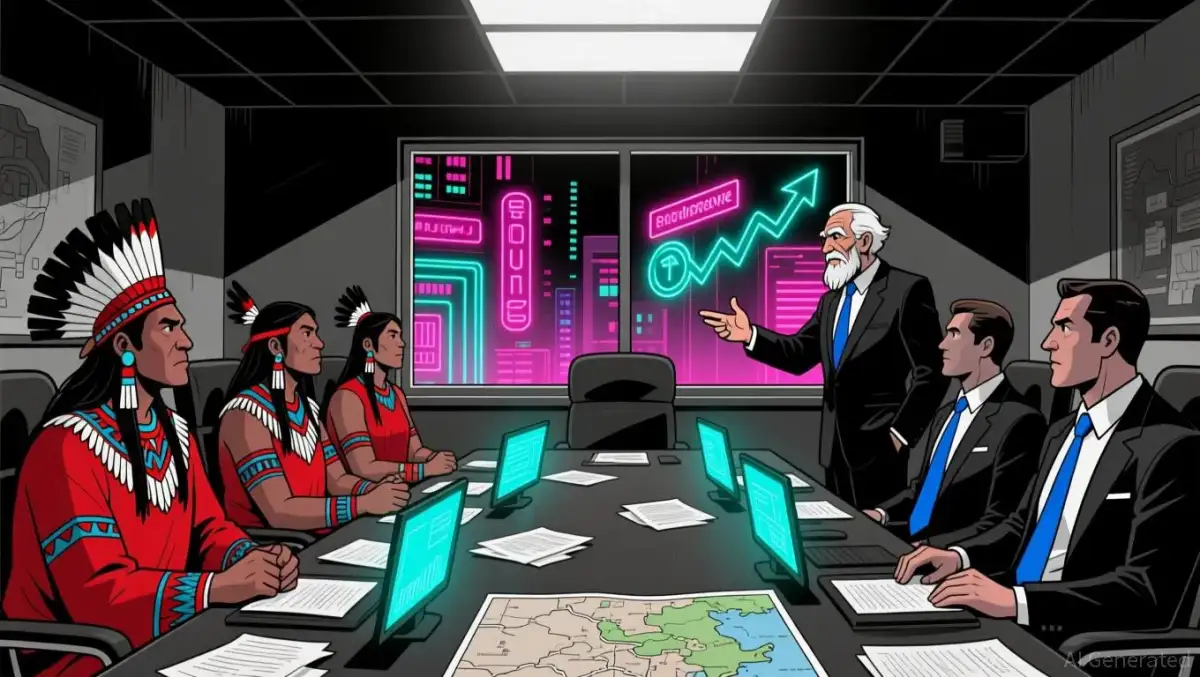
The revenue generated from tribal gaming is critical for building infrastructure and providing essential services on reservations. The proliferation of prediction markets is disrupting this vital economic engine, raising concerns about the future of tribal self-sufficiency.
"Prediction markets challenge tribal casinos’ hard-won place in US gambling."
The regulatory landscape for prediction markets remains uncertain, with a potential Supreme Court ruling on the Commodity Exchange Act's applicability to these platforms poised to significantly alter the sector. This volatility, coupled with the digitization of both tribal gaming and prediction markets, highlights a growing need for robust cybersecurity and compliance technologies.
The situation suggests a future where both tribal gaming and prediction markets will need to adapt and innovate to coexist, navigating a complex web of legal and economic pressures.