As of May 18, 2026, the strategy for 1440p gaming remains rooted in a singular, persistent architectural truth: prioritize GPU expenditure over CPU investment. Data gathered across current technical builds confirms that a disproportionate spend on a central processing unit—while the graphics card remains modest—results in wasted systemic potential, whereas the inverse configuration secures higher frame stability.

The primary signal for 2026 builds is the transition to 16GB VRAM as a standard requirement for stable 1440p ultra-settings performance.

Strategic Pairings for 1440p
The market currently splits the mid-to-high tier landscape between two distinct technological philosophies:
The Value Proposition: The AMD RX 9070 has emerged as a high-value contender, providing the necessary 16GB VRAM buffer at a price point lower than comparable NVIDIA hardware. It is favored for raw rasterization efficiency.
The Feature Ecosystem: The NVIDIA RTX 5070 Ti serves as the premium alternative, justifying a higher entry cost through the implementation of DLSS 3.5/4 and superior ray-tracing integration.
In controlled benchmarks for graphically demanding software like Cyberpunk 2077 at 1440p (Ultra/RT settings), the RX 9070 averages 95–110 FPS, while the RTX 5070 Ti utilizes frame generation to push towards the 120 FPS threshold.
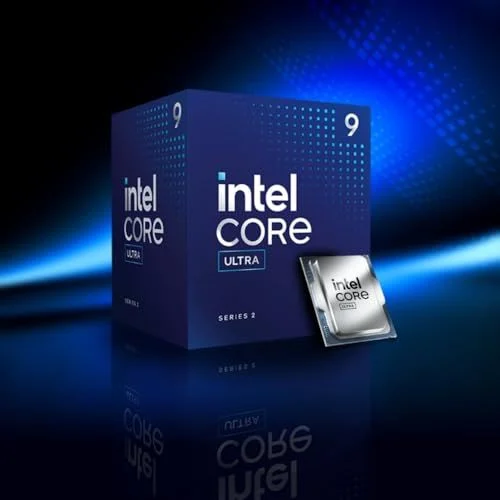
Systemic Requirements
The technical threshold for a high-performance 1440p machine, currently estimated at a ~$2,000 investment, relies on these specific parameters:
Read More: Street Fighter 6 Year 4 Pass adds Tifa and 3 new fighters in 2026
| Component | Recommendation |
|---|---|
| CPU | Ryzen 9 7950X3D (for cache-sensitive workloads) |
| GPU | RTX 5080 / 5070 Ti |
| Memory | 32GB DDR5-6000 CL30 |
| Storage | PCIe 4.0 NVMe SSD (minimum) |
| Power | 850W+ 80+ Gold (Verify 16-pin PCIe 5.0 headers) |
Contextual Divergence
The obsession with "future-proofing" has reached a plateau where CPU gains, particularly within the Ryzen 7 9700X vs. 7800X3D comparison, yield diminishing returns for pure gaming output. Industry analysts note that unless the user is engaged in multi-threaded production workloads, the architectural advantages of the X3D Cache remain the only legitimate performance delta for high-end gaming.
Furthermore, builders must navigate the transition to the 16-pin PCIe 5.0 power standard, as 50-series hardware requirements differ from legacy infrastructure. The focus has shifted from mere component speed to power delivery and thermal management, specifically regarding the heat output of high-end AIO cooling solutions needed to support the latest chips.
Ultimately, the 1440p landscape in May 2026 is defined not by the absolute highest clock speeds, but by the ability to manage VRAM constraints and exploit proprietary upscaling technologies.
Read More: ASRock white cooler prototype seen, hints at new graphics cards


/content/opengraph/MTG-Top-10-Best-Commander-Cards-From-Magic-The-Gathering-Marvel-Super-Heroes-MSC-MSH.png)