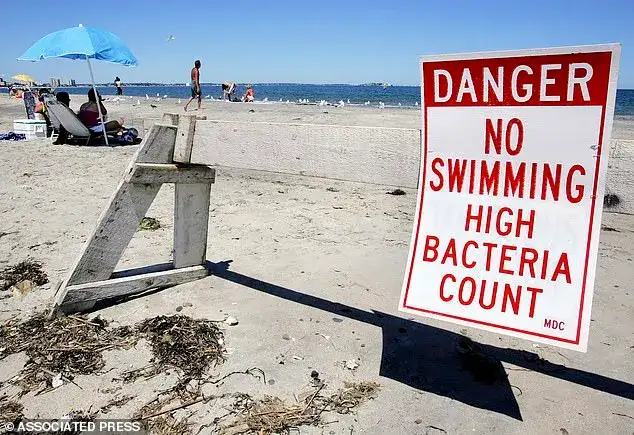
As of May 2026, the Foundation for Environmental Education (FEE) has updated its international Blue Flag registry. Over 5,200 sites globally—including beaches, marinas, and tourism vessels—have secured the designation for the current season. While the award serves as a primary marker for water quality and facility management, the selection process remains subject to both bureaucratic friction and environmental variables.
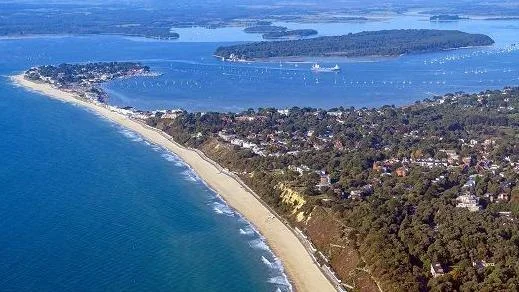
Disparities in Local Certification
The certification process relies on rigorous adherence to safety, accessibility, and waste management protocols. Recent administrative outcomes reveal that eligibility is not solely dictated by environmental health, but also by procedural compliance.
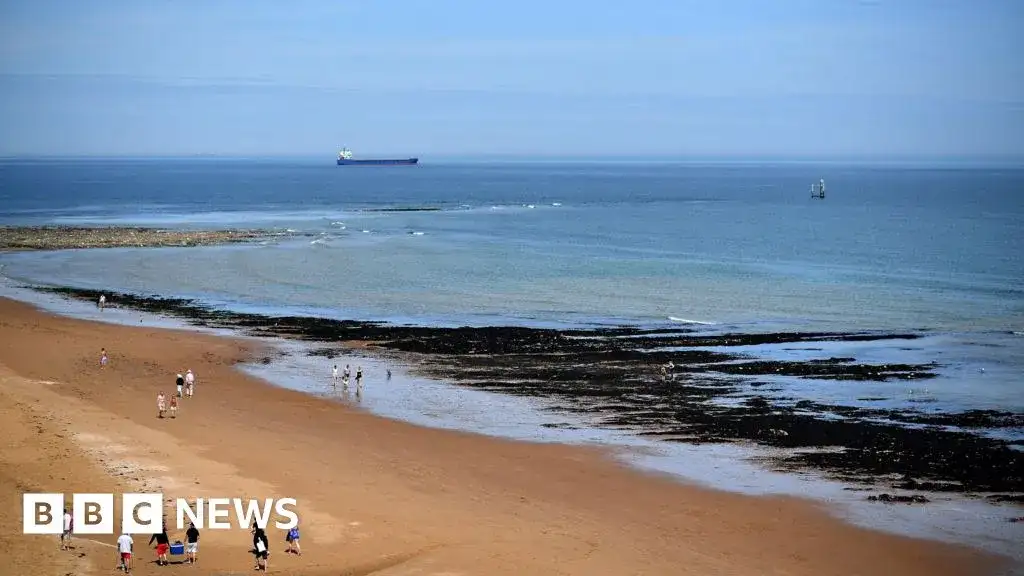
Administrative Oversight: In the BCP Council area (UK), six beaches retained status, yet Avon Beach was excluded due to an internal clerical error, despite the council’s claims of maintaining identical quality standards.
Regional Scaling: Greece continues to command a significant portion of the European market, reporting 624 awarded sites, with Crete alone accounting for 154 of those designations.
Ireland’s Milestone: 85 beaches and nine marinas achieved status, including a notable first-time entry for Duncannon Beach, ending a 19-year hiatus for the site.
Core Signal: The Blue Flag serves as an external proxy for coastal management, yet the loss of a flag does not definitively correlate with a degradation of environmental quality; it often indicates a failure in documentation or administrative application.
Read More: Margaret River Named World's Best Wine Place
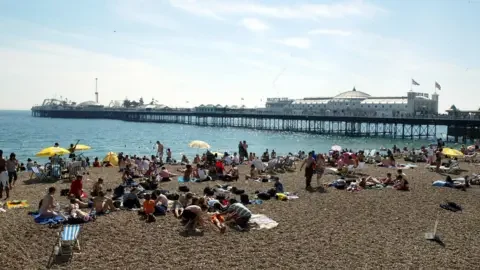
Analytical Context: The Awarding Framework
The Blue Flag is not merely a signifier of natural purity; it is a Sustainability Management instrument. It requires continuous coordination between tourism service providers and local governments to meet international thresholds.
| Metric | Primary Criteria |
|---|---|
| Water | Compliance with strict microbiological testing. |
| Safety | Presence of life-saving equipment and staffing. |
| Governance | Waste management and environmental education. |
| Access | Inclusivity for individuals with limited mobility. |
The tension inherent in this model is visible when comparing sites that hold the award versus those that do not. For instance, the transition of a beach from "awarded" to "non-awarded" often triggers political scrutiny, as seen in past cases like Playa Grande in Lanzarote, where exclusion led to public accusations of municipal neglect.
Reflective Note
The proliferation of these flags across thousands of locations acts as a soft-power mechanism for the tourism industry. By branding specific stretches of coast as "excellent," the International Committee creates a binary landscape: sites that are deemed "certified" and those that exist in the shadow of non-accreditation. Whether this incentivizes actual long-term ecological stewardship or simply creates a checkbox culture remains a point of divergence for local councils tasked with the administrative burden of annual renewal.
Read More: Amazon Land Use Changes Cause Disease Clusters in Brazil