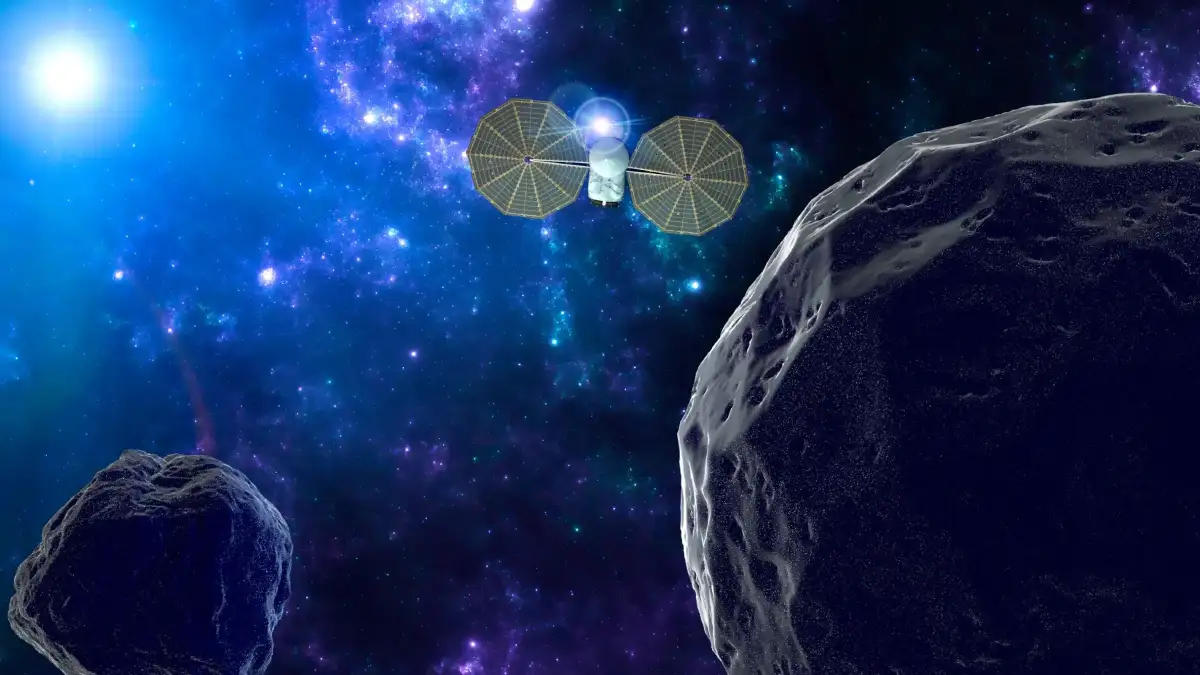
As of 04/07/2026, NASA is navigating a significant operational setback regarding its plan to recover the Neil Gehrels Swift Observatory. A rescue mission intended to boost the satellite's decaying altitude has been postponed due to a technical issue identified within the launch vehicle. The observatory, currently drifting toward a terminal atmospheric reentry, remains in a precarious position as its orbit degrades due to solar activity.
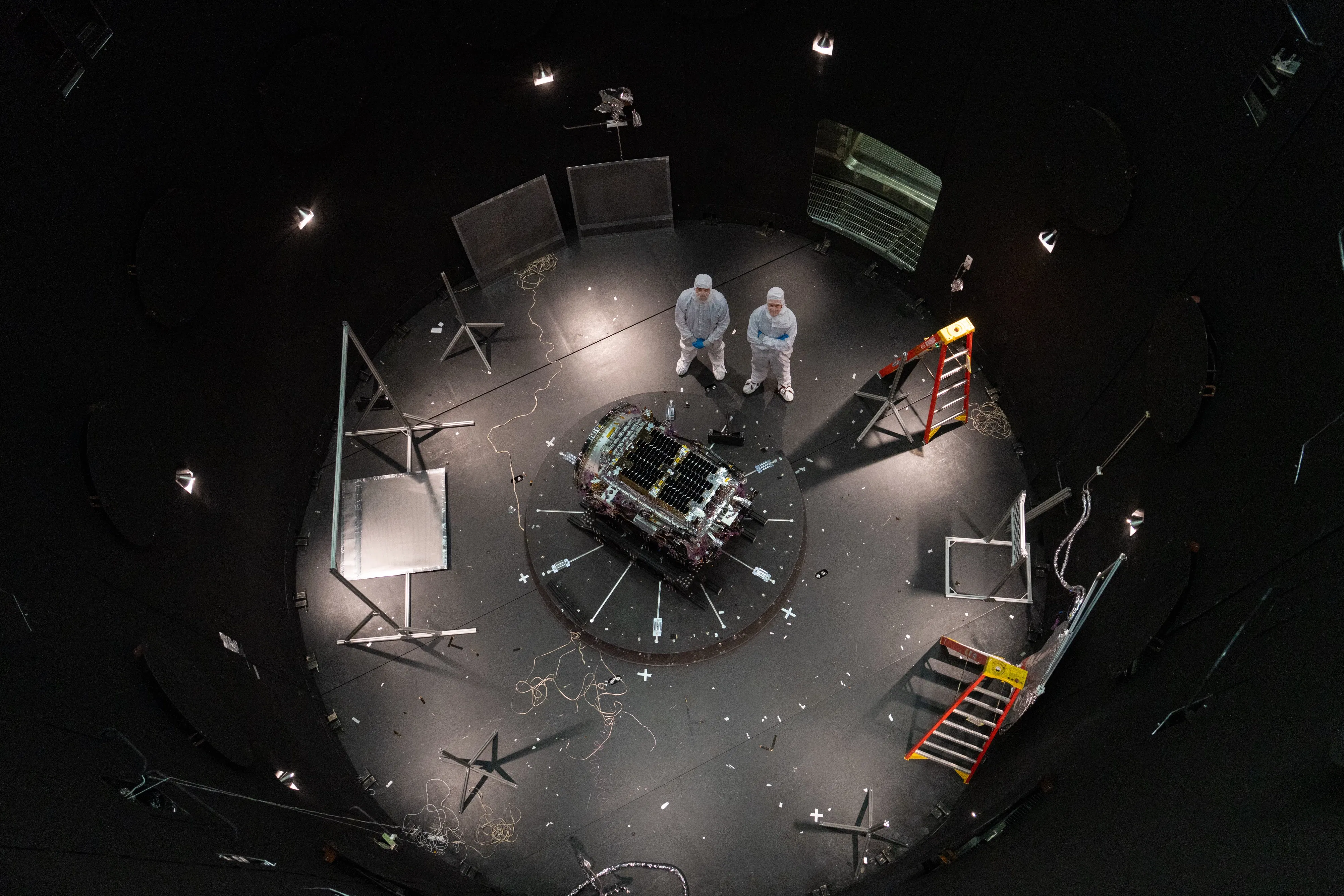
The core objective involves deploying a robotic servicer, contracted to Katalyst Space, to rendezvous with and physically push the aging telescope back to its stable altitude of approximately 373 miles (600 km).

Technical Scope and Deployment
The recovery attempt relies on a Pegasus XL air-launched rocket, a system chosen for its mobility and ability to deploy in condensed timelines. The rescue procedure, defined as Rendezvous Proximity Operations (RPO), requires the servicer to autonomously navigate, capture, and maneuver the telescope—a complex task for a piece of hardware not originally designed for mid-life docking or orbital station-keeping.
Read More: US Space Force Victus Haze Mission Successfully Tests Orbital Intercepts

| Component | Status / Detail |
|---|---|
| Primary Target | Neil Gehrels Swift Observatory |
| Recovery Agent | Katalyst Space (Flagstaff, AZ) |
| Launch Vehicle | Pegasus XL (Northrop Grumman) |
| Current Situation | Mission delayed by launch vehicle anomaly |
| Project Goal | Restore original 600km orbital altitude |
Contextual Underpinnings
The Swift Mission is experiencing rapid orbital decay, a condition exacerbated by current solar cycles. While NASA notes the satellite could eventually burn up harmlessly in the atmosphere, the decision to intervene stems from the observatory’s ongoing scientific utility.

Urgency: The project moved from contract award to launch preparation in roughly eight months—a compressed window intended to mitigate the telescope's loss of altitude.
Broader Implications: This effort is being monitored for its potential as a blueprint for other assets. The Hubble Space Telescope, similarly struggling with altitude loss due to atmospheric drag, represents a higher-profile challenge that may face similar recovery questions if the Swift operation proves successful.
Systemic Limitations: The majority of existing orbital hardware lacks the structural interfaces for autonomous servicing, making the current rescue mission an irregular approach to Space Exploration rather than a standardized procedure.
As of this afternoon, stakeholders await a rescheduled launch date following the resolution of the launch vehicle's mechanical difficulties. The timeline for the rescue remains fluid.