


Leaked audio recordings reveal that Peter Thiel, a prominent tech billionaire and a major financial backer of JD Vance's political career, has urged Vance to disregard the moral pronouncements of Pope Leo XIV, framing the pontiff as a potential figure of the Antichrist. This ideology, which posits technology as a substitute for traditional moral authority and views calls for limits as impediments to progress, is reportedly shaping political discourse, particularly concerning ethical issues like artificial intelligence. Thiel's extensive financial support and mentorship of Vance suggest a deliberate effort to cultivate a political leader who will advance this technologically-centric worldview.
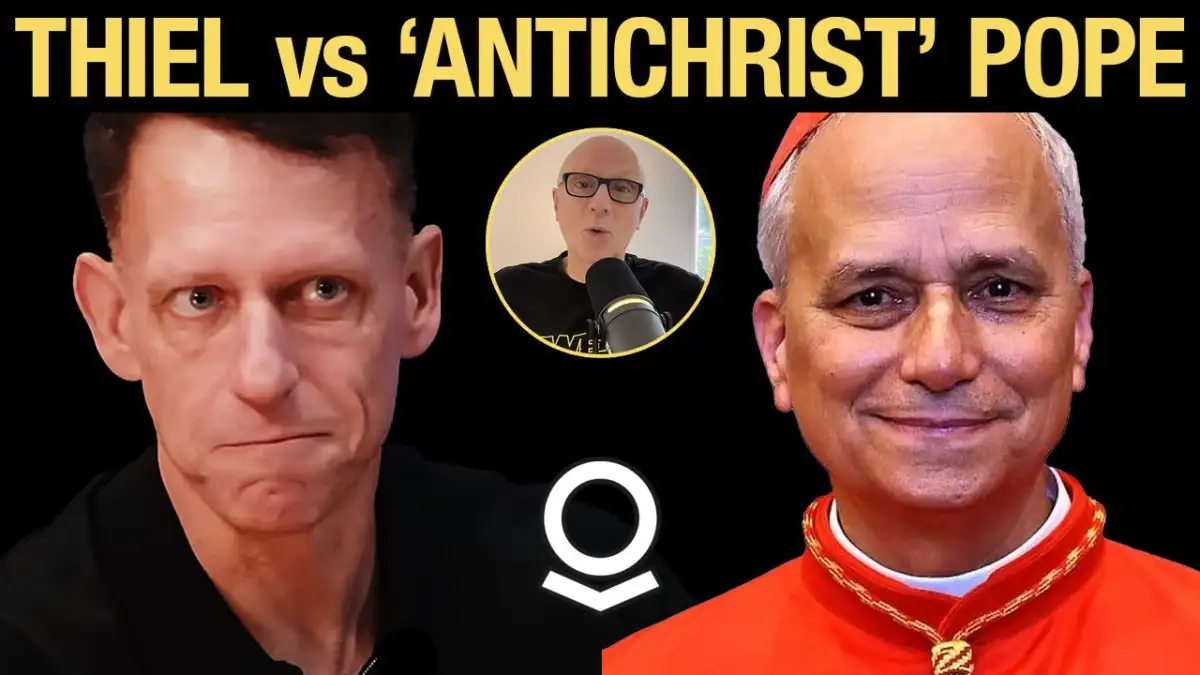
The controversy gained further traction as Thiel reportedly lectured on the Antichrist theme in Rome, blocks from the Vatican, leading some Catholic institutions to distance themselves. This comes amidst a broader tension between Pope Leo XIV and Donald Trump, with the Pope having publicly criticized the Iran war and Trump's assertions of divine backing. Vance has, at times, navigated this complex landscape, defending Trump's actions while also suggesting the Pope should stick to theological matters and the President to public policy.
Read More: Taiwan Holds Nantou County Drills to Prepare for State Collapse

The narrative surrounding these events has been complicated by misinformation, including a viral video purporting to show Pope Leo XIV criticizing Vance, which has been debunked as fake, possibly AI-generated. This manufactured content added another layer of distortion to an already charged situation involving religious authority, political ambition, and technological ideology.
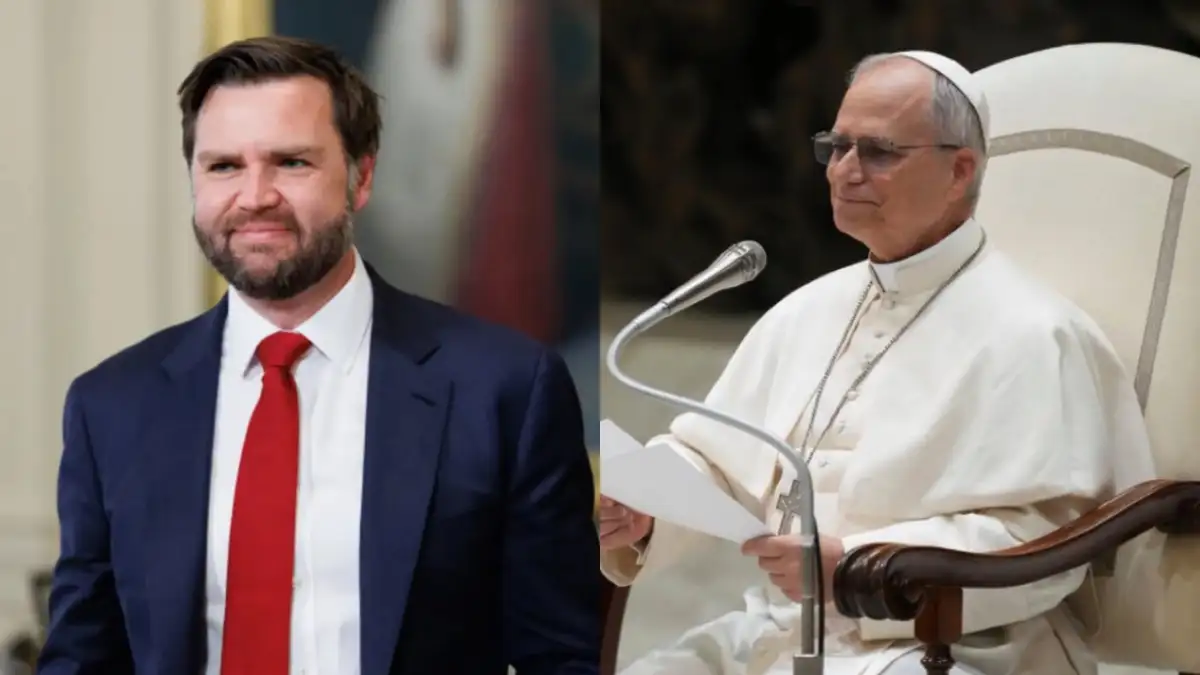
Vance's Shifting Stance and Theological Claims
Vice President JD Vance has been vocal in these disputes. At a Turning Point USA event, Vance warned Pope Leo XIV to "be careful" when speaking on theology, suggesting the pontiff's statements lacked grounding in truth. Vance has also articulated a view that the Vatican should focus on morality and church affairs, while the President dictates American public policy. This stance has drawn criticism from groups like Catholics for Choice, which argue that Vance's views are more aligned with white Christian nationalism than traditional Catholic social teaching, and do not represent the majority of Catholics who hold more progressive views on issues such as reproductive rights and LGBTQ+ rights.
Read More: Cliffe Knechtle: God's 4 Answers to Prayer on US Campuses

Vance has also addressed the controversial AI-generated image of Trump as a Jesus-like figure, calling it a joke, in the context of the escalating feud between Trump and Pope Leo XIV. This highlights a broader dynamic where Vance's political positioning appears to be influenced by his patron's ideological framework while also attempting to navigate a complex relationship with both religious leadership and his political base.
Background: Silicon Valley's Ideological Influence
Peter Thiel's philosophical outlook, which prioritizes technological advancement and frames any opposition as an obstacle to human progress, has been a driving force behind his significant investments in political figures like JD Vance. This ideology, which can be characterized as a form of 'techno-libertarianism' with apocalyptic undertones, suggests a belief system where technology offers a form of salvation, superseding traditional institutions and moral frameworks. The leaked lectures and public appearances indicate an attempt to propagate this worldview within political spheres, particularly concerning the ethical implications of rapidly advancing technologies like AI.
Read More: FBI Analysts Review Georgia 2020 Election Data in Fulton County
The emergence of Pope Leo XIV, the first American-born pontiff, has added a new dimension to these political and ideological conflicts. His public critiques of war and political policies have directly challenged the narratives espoused by figures like Trump and, by extension, those influenced by Thiel's worldview, including Vance. The intertwining of faith, politics, and technology has thus become a focal point, with leaked statements and public reactions underscoring the deep ideological fissures at play.





