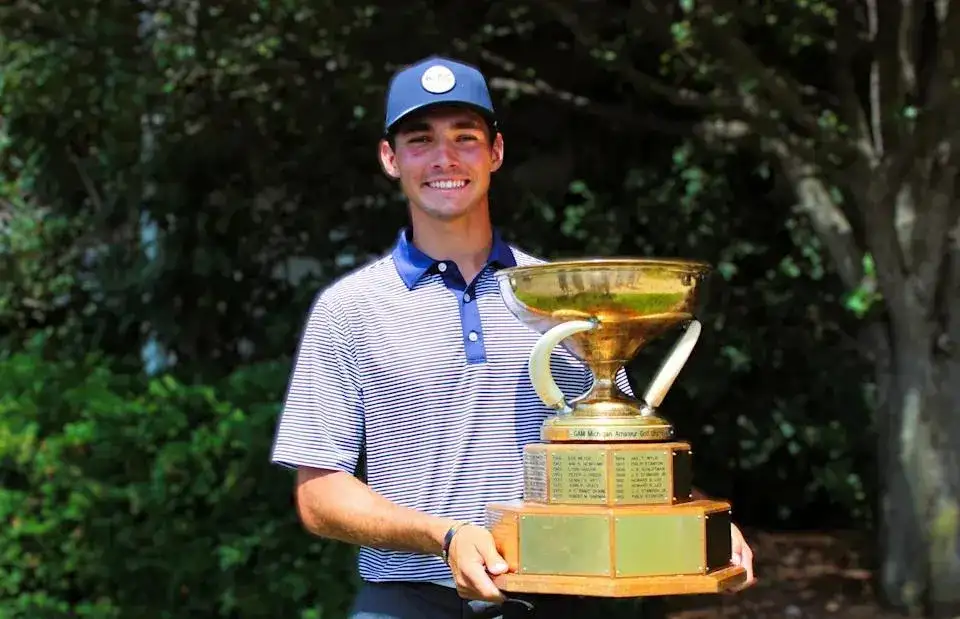
Brendan Sorsby, the quarterback for Texas Tech, has retained Daniel Kessler, a prominent antitrust attorney, in connection with an ongoing NCAA investigation into sports gambling. Kessler has a documented history of litigation against both the NCAA and the NFL, including his role in the House v. NCAA case. This move suggests a potential legal challenge against the NCAA's stance on Sorsby's eligibility.
The NCAA's current guidelines, revised in 2023, state that student-athletes who wager on their own games or other sports at their own school could face permanent loss of collegiate eligibility. This places Sorsby at a critical juncture, as the NCAA's inquiry focuses on the extent and nature of his gambling activities during his time at previous institutions, namely Indiana and Cincinnati. The quarterback's legal representation indicates a strategy to contest any severe penalties that might be imposed.
Read More: FIFA World Cup 2026 Revenue Reaches $15 Billion With New Ticket Prices
Legal Avenues and NCAA Scrutiny
The core of the NCAA's concern, beyond Sorsby's betting on professional sports, is the prevalence of his gambling activities during his tenure at previous schools. Under NCAA rules, wagering on one's own sport or games within one's own athletic department can result in a permanent loss of eligibility. Betting on other sports at the same school can also lead to significant penalties, potentially affecting a portion of a season's eligibility, with cumulative wagers over a certain threshold potentially impacting eligibility more severely.
Kessler's past involvement includes representing the NFL Players Association (NFLPA) in significant cases, such as those involving Tom Brady, Ray Rice, and Ezekiel Elliott. His expertise in antitrust law and his track record against collegiate and professional sports governing bodies positions him to potentially challenge the NCAA's disciplinary processes. Sorsby, through his legal counsel, is not obligated to speak with NCAA investigators if his lawyers deem it detrimental to his case.
Read More: Judge Reyes halts East Potomac Golf site work until April 21 2026
Broader Implications and Personal Circumstances
Sorsby has recently entered a treatment program for gambling addiction. This development coincides with legal actions, including a motion filed by his attorneys to dismiss a lawsuit brought by the University of Cincinnati. The university had alleged breach of a name, image, and likeness (NIL) contract. While Texas Tech has expressed support for Sorsby's decision to seek professional help, the school has refrained from commenting further on his status to protect the integrity of his recovery process.
The situation has also cast a shadow over Sorsby's potential NFL future. Reports suggest that his involvement in the gambling probe may make him an undesirable prospect for NFL teams, with the league's strict policies against player betting carrying penalties of at least a two-year ban for infractions. The possibility of an NFL supplemental draft has been mentioned as a potential avenue if Sorsby is deemed ineligible for the upcoming college season.
Read More: England World Cup Match: Pubs Open Until 5 AM Monday
Background Context
The NCAA has been grappling with the proliferation of legalized sports betting and its impact on college athletics. While rules were eased in 2023 to acknowledge the growing landscape, the prohibition against athletes betting on their own games remains a firm boundary. Sorsby's case highlights the complex intersection of athlete compensation (NIL), personal well-being, and the regulatory framework governing college sports, set against a backdrop of increasing awareness around gambling addiction.