Liberals Confront Internal Divisions; US Accelerates Middle East Arms Sales
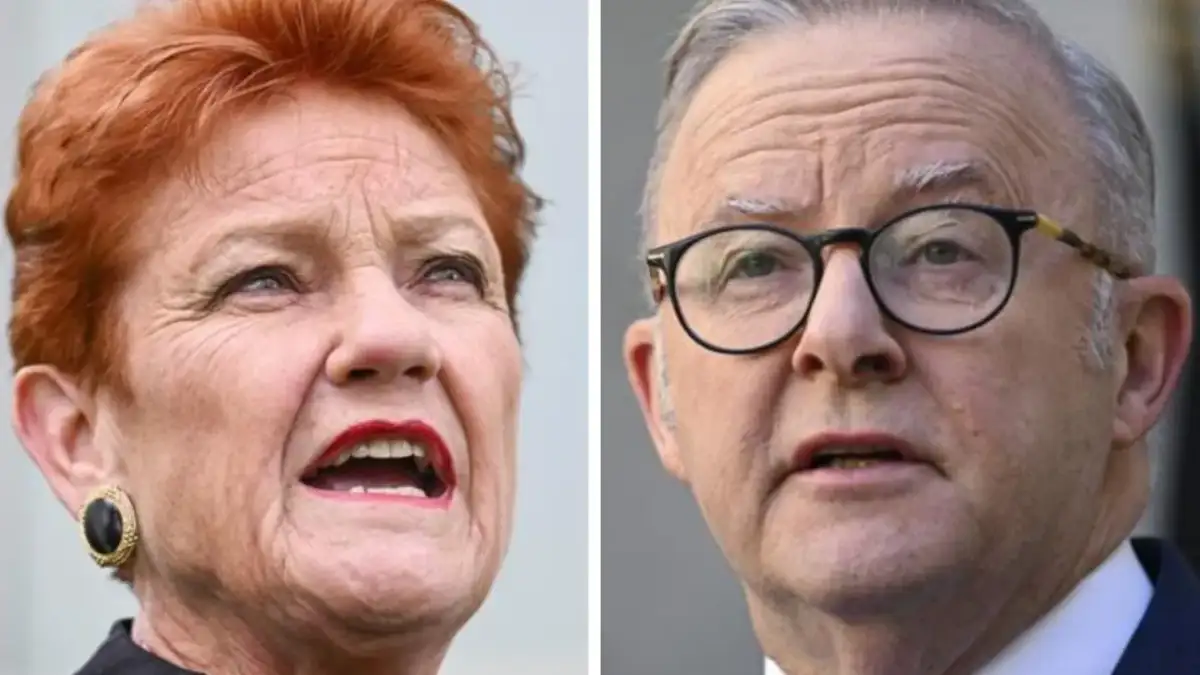
Recent reports indicate the Australian Liberal Party is grappling with internal challenges, highlighted by a notable preference deal with One Nation. Concurrently, the United States has taken steps to expedite arms sales to Middle Eastern allies, suggesting a broader geopolitical realignment.
A significant internal political manoeuvre has emerged, with the Liberal Party reportedly seeing off a One Nation challenge. This comes amidst broader discussions about the future of conservative alliances in Australia. Separately, the United States has moved to fast-track military equipment deals for nations in the Middle East.
The Liberal Party leadership has been a focal point of recent political discourse. Sussan Ley, who became the first woman to lead the federal Liberals, faces what is described as an "unprecedented level of difficulty" in rebuilding a divided party following a significant election defeat. This internal turmoil has seen a past fracture within the Coalition, with the Nationals previously rebelling and withdrawing from Ley's shadow ministry.
Read More: Taiwan Holds Nantou County Drills to Prepare for State Collapse
Further complicating the political landscape, a specific preference deal involving the Liberal Party and One Nation has drawn criticism. Liberal Senator Andrew Bragg has openly slammed the decision to preference One Nation ahead of Labor in certain electorates, arguing it alienates centrist voters and compromises the party's credibility. He specifically referenced remarks by former Prime Minister John Howard regarding the perceived detriment of such alliances. Jacinta Allan has also publicly questioned these preference arrangements.
On the international stage, the United States' swift approval of military sales to Middle Eastern partners bypasses standard congressional review. The scale of these deals involves billions of dollars in weaponry.
Elsewhere in Australian news:
A criminal investigation is underway following an arrest made three days prior in relation to the death of Kumanjayi Little Baby. The accused, Jefferson Lewis, 47, was initially taken to Darwin for his protection and has since been released from hospital into police custody. Charges are yet to be formally laid.
King Charles concluded a four-day visit to the United States with a stop in the Caribbean nation of Bermuda.
A cold front is predicted to bring rain and storms to southeastern Australia, potentially displacing the unseasonably warm May temperatures that have set new records in Tasmania and Victoria.
Discussions around a gas export tax are ongoing, with analyses suggesting Australia may not be securing a fair share of revenue from its gas exports.
Background and Context
The internal dynamics of the Australian Liberal Party appear strained. The fallout from a previous election defeat, where the Coalition suffered a significant loss, continues to shape leadership challenges and strategic decisions. The mention of the Coalition splitting previously, with the Nationals leaving Sussan Ley's shadow ministry, underscores the fragility of conservative unity. The preference deal with One Nation, a move criticized by some within the Liberal Party itself, suggests a potentially complex and evolving electoral strategy.
Read More: AFP Reviews War Crime Claims Against Australian in Gaza
The US's accelerated arms deals in the Middle East occur against a backdrop of ongoing regional instability and shifting geopolitical alliances. While the specific drivers for the expedited sales are not detailed, such actions often reflect immediate security concerns and a desire to bolster regional partners.
The Australian news cycle also reflects ongoing domestic issues, including criminal justice proceedings, meteorological shifts impacting weather patterns, and economic debates concerning resource taxation. The passing of prominent broadcasters and the stories of individuals facing significant life challenges, such as cancer treatment choices, also feature prominently.