Despite plummeting sales, market share, and profits, Tesla shareholders have overwhelmingly reaffirmed their faith in CEO Elon Musk. A significant vote at the 2025 Annual Meeting on November 6 demonstrated this confidence, granting Musk critical mandates for the company's future growth. This backing persists even as Tesla grapples with increased competition, particularly from Chinese manufacturers, and reports of Musk's alleged extensive drug consumption and public support for far-right political groups.

The 'Musk Premium' and Future Ambitions
The narrative surrounding Tesla appears inextricably linked to its CEO, with shareholders seemingly accepting a considerable "Musk premium" on the company's valuation. This premium is predicated on Musk's perceived ability to drive innovation, particularly in the realms of autonomous vehicles and robotics, mirroring his entrepreneurial drive at SpaceX.

"Most Tesla shareholders seemed concerned that Musk was devoting too little time to the company, instead of wanting him to leave altogether."
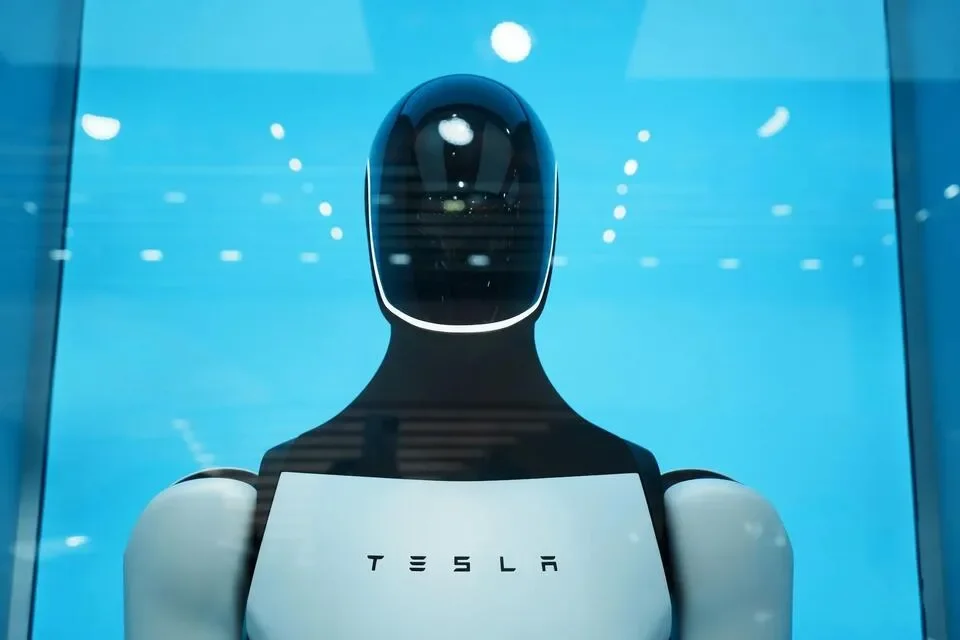
These ambitious targets, including the development of robots and autonomous vehicles, are seen as requiring Musk's unique brand of technological and entrepreneurial prowess. Analysts at Morgan Stanley have drawn parallels between Tesla's current trajectory and Amazon's early days, suggesting the car manufacturer's expertise could form the foundation for a broader "physical artificial intelligence platform." This perspective positions Tesla's current valuation as having room for future growth as these AI-driven ventures materialize.
Read More: SpaceX buys xAI for AI in space, plans big IPO
Navigating Market Challenges and Scrutiny
However, this investor confidence exists against a backdrop of significant challenges for Tesla. The company is experiencing a downturn in sales, market share, and profitability, with some reports suggesting Musk's own actions have contributed to these difficulties. His public pronouncements and political stances, including alleged Nazi jokes on X (formerly Twitter) and his support for far-right parties, have attracted considerable attention and criticism.
"Musk railed against the court and pushed for Tesla to move its corporate home from the first state to Texas."
In response to these pressures and a contentious compensation package, Musk has advocated for relocating Tesla's corporate headquarters from Delaware to Texas. This move follows a period where his CEO compensation was noted as exceeding the GDP of entire nations, including Ireland, Sweden, and Argentina. The company's autonomous driving features, such as robotaxis in California, still necessitate human safety drivers, a detail underscoring the current limitations of its advanced technology.
Read More: AI Decodes 540-Year-Old Love Letter from Margery Brews
A Company's Identity and Its Origin
The enduring connection between Musk and Tesla is a focal point for investors. Some analyses suggest that without a clear post-Musk strategy, Tesla lacks a definitive plan. This dependency raises concerns about the company's stock price, which has been affected by sales figures and Musk's personal conduct. There is also ongoing speculation about the intertwined nature of Tesla and SpaceX, with potential ramifications for Tesla shareholders should SpaceX pursue an initial public offering.
While Musk is prominently recognized as the face of Tesla, the company's foundational vision can be traced back to its original founders. The 2025 Annual Meeting provided a platform for shareholders to voice their engagement and support, acknowledging their role in granting the company the mandate and resources for its current growth phase. The narrative of Tesla's inception includes recognition of five key individuals as founders: Wright, Eberhard, Tarpenning, Straubel, and Elon Musk.
Read More: CFMEU Queensland branch faces culture and finance claims