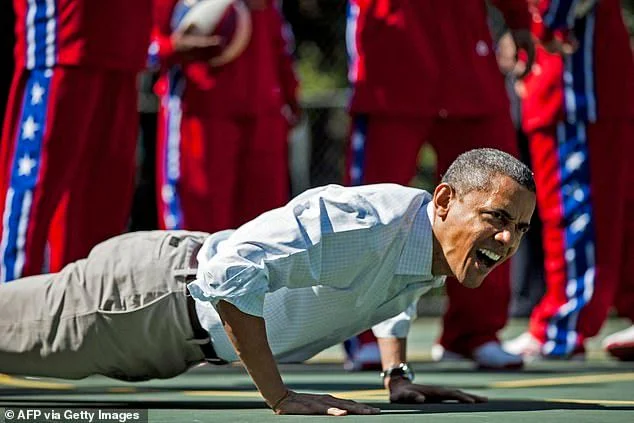
New analyses are prompting a reassessment of commonly held beliefs about exercise and its impact on high blood pressure. While a general consensus persists that physical activity aids in managing hypertension, the specifics of which exercises prove most beneficial, and how they achieve this, are being brought into sharper focus. Recent findings suggest that isometric exercises, which involve holding muscle contractions without movement, may hold a particular sway over blood pressure readings, even surpassing traditional cardio in some studies.

Isometric exercises, such as wall squats and planks, are emerging as notably effective for lowering both systolic and diastolic blood pressure, with some research highlighting wall squats specifically for systolic pressure reduction and running for diastolic. This contrasts with long-held expert views that primarily championed aerobic activities. The mechanism proposed for isometric's efficacy involves temporary restriction of blood flow to muscles during contraction, which may contribute to blood pressure stabilization once normal flow is restored.
Read More: India IVF Costs And Social Barriers Limit Access In April 2026

The Shifting Landscape of Hypertension Management
For years, the prevailing wisdom pointed toward cardiovascular activities as the cornerstone of exercise for managing high blood pressure. However, a growing body of evidence, including recent reviews and studies, is now advocating for a more nuanced approach.

Isometric Dominance?: Studies published in late 2023 and early 2024, notably featuring data from CNN and today.com, indicate that exercises like wall sits and planks are particularly adept at reducing blood pressure. Some analyses even suggest that isometric exercises, overall, are the most effective at lowering both elements of blood pressure.
Beyond the Single Session: The idea that how one exercises might be more critical than what exercise is chosen is gaining traction. One study from March 2025 even found that three 10-minute walks throughout the day were more effective at preventing blood pressure spikes than a single 30-minute walk. This suggests a potential benefit to fragmenting physical activity.
Resistance and Dynamic Training: While isometric exercises take center stage in some recent reports, other forms of exercise are not entirely discounted. Dynamic resistance training has been identified as the second most helpful type of exercise for reducing diastolic blood pressure, according to research.
Nuances and Considerations
The conversation around exercise and blood pressure is not without its complexities and caveats.

Temporary Spikes: It is important to note that any form of exercise, including isometric, will temporarily elevate blood pressure as the heart works harder. This effect is expected and distinct from long-term management.
Potential Risks: A cardiologist’s caution has been raised regarding isometric exercises, noting they can produce an "acute load on the aorta," which could potentially lead to further damage in susceptible individuals. This underscores the importance of consulting medical professionals.
Enjoyment and Adherence: Ultimately, health professionals emphasize that consistency is key. Engaging in activities that individuals find enjoyable increases the likelihood of long-term adherence, which is crucial for sustained blood pressure management.
A Look Back: The Traditional Approach
Historically, exercise recommendations for high blood pressure have largely revolved around aerobic activities.
Aerobic's Reign: For an extended period, experts believed that aerobic or cardio exercises were the most beneficial for lowering blood pressure. Activities like hiking and brisk walking were often cited for their positive effects.
Strength Training's Role: Strength training, while sometimes raising blood pressure temporarily, was also recognized for its contribution to overall fitness, which indirectly benefits blood pressure levels. Resistance band exercises and other strengthening routines were considered supplementary.
The Definition of High Blood Pressure: Medical guidelines define blood pressure readings. A healthy resting blood pressure is generally considered below 130/85 mmHg. Readings between 130/85 mmHg and 139/89 mmHg are classified as pre-high blood pressure, while 140/90 mmHg or greater signifies high blood pressure, also known as hypertension.
Despite the evolving understanding of specific exercise types, the fundamental message remains: regular physical activity is a vital component in the strategy to control and lower high blood pressure, often presenting a drug-free avenue for managing this widespread health condition.