Tesla has significantly ramped up its capital expenditure plans, earmarking $25 billion for 2026. This substantial financial commitment signals a decisive pivot, aiming to transform the electric vehicle manufacturer into a leading entity in artificial intelligence and robotics. The increased spending, a sharp rise from the $9 billion allocated for 2025, is intrinsically linked to Elon Musk's ambitious vision for the company's future, pushing beyond its established domains of electric cars, solar power, and energy storage.
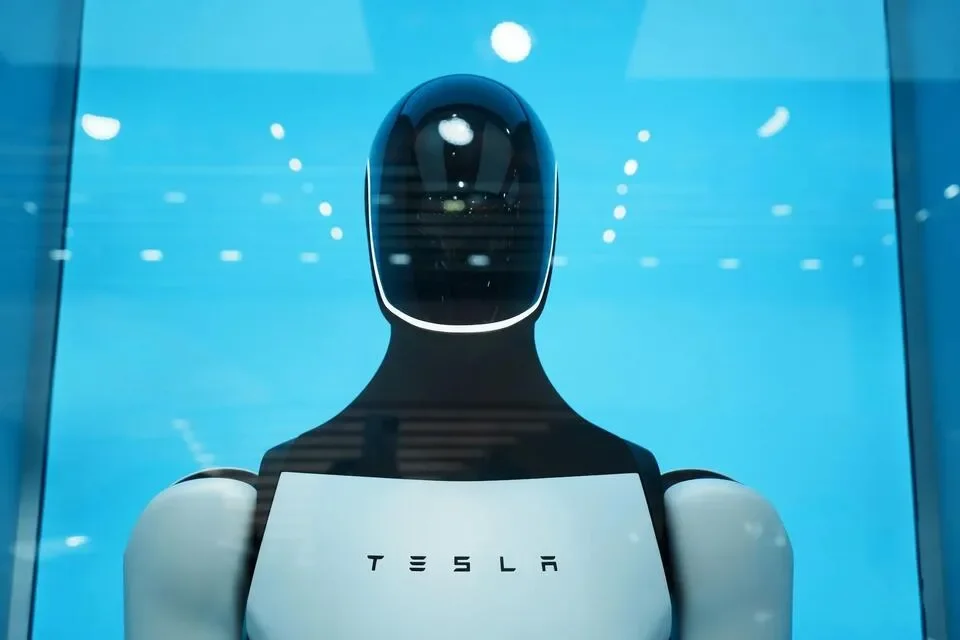
The company anticipates this surge in investment will fuel key initiatives like robotaxis (including the "Cybercab" project) and the development of humanoid robots, specifically the "Optimus" model. While Tesla reported solid cash flow in the last quarter, the accelerated investment strategy suggests an expectation of negative cash flow in the near term as these substantial bets are pursued.
Read More: Alibaba Qwen AI boosts airline ticket orders by 540%
Strategic Investments Detail
The increased capital outlay is slated to support the advancement of several core projects. These include the continued development and rollout of robotaxis, with initial deployments noted in Dallas and Houston, and plans for wider US expansion. Concurrently, Tesla is seeking European Union-wide approval for its Full Self-Driving (FSD) software system, a move that could broaden its autonomous driving reach.
Furthermore, the Optimus robot is positioned as a significant future revenue generator for the company. While production scaling for Optimus is underway, alongside ongoing upgrades to the FSD system, investors are now weighing the potential for long-term growth against the immediate financial strain of this aggressive expansion.
Market and Technical Dynamics
The company's first-quarter earnings report for 2026 revealed a $22.4 billion revenue, with a 17% increase in net income. However, this occurred despite a notable slump in vehicle deliveries, indicating a complex financial landscape.
Read More: Dine Brands and First Watch Stock Prices Jump Significantly
In parallel with the investment announcements, Elon Musk also indicated a delay in the unsupervised Full Self-Driving feature for consumer vehicles, now slated for Q4 2026. This deferral underscores the persistent technical challenges inherent in achieving fully autonomous driving capabilities.
Background
Tesla's earnings calls have historically served as a platform for clarifying the company's trajectory and future projects. The current financial strategy appears to consolidate these efforts, with specific mention of the "TERAFAB" initiative, a substantial chip factory project involving Tesla, SpaceX, and AI development.
Despite the volatility of market reactions to Tesla's financial performance, often seeing share prices fluctuate unpredictably, the company's strategic focus on AI and robotics represents a deliberate departure from its foundational identity as an electric vehicle maker. This reorientation is not without its complexities, with some reports highlighting the need for gradual, location-specific rollouts of new technologies due to unresolved technical hurdles.
Read More: James Valentine Dies at 64; Microsoft Invests $25 Billion in AI