
UMEED Portal Deadline Sparks Urgency Amidst Data Hurdles
Telangana, the March 12 deadline for uploading documents concerning waqf properties onto the UMEED portal looms large, presenting a formidable challenge for the Telangana State Waqf Board (TGWB) and custodians of these assets. Officials indicate that the sheer volume of properties, estimated to be in the tens of thousands statewide, makes timely documentation and verification an arduous undertaking.

The core of the issue lies in the substantial number of waqf properties requiring digitisation and official sanction before the stipulated date. The state faces a monumental task in collating, verifying, and uploading records for potentially tens of thousands of waqf assets, many of which may have fragmented or incomplete documentation. The failure to meet this deadline risks consigning these historical properties to a "digital void."

Documentation Deluge and Digital Divide
The process mandates a multi-stage verification system on the UMEED portal: a "maker" (mutawalli or representative) uploads documents, a "checker" (district-level officer) verifies, and an "approver" (Waqf Board CEO or authorised official) grants final confirmation. However, the scale of the operation is immense. One district alone reportedly accounts for around 28,000 properties, with Hyderabad also holding a significant concentration of waqf assets in need of meticulous cataloging.
Read More: Acting DNI Pulte Fires Dozens of Intelligence Officials Starting Thursday
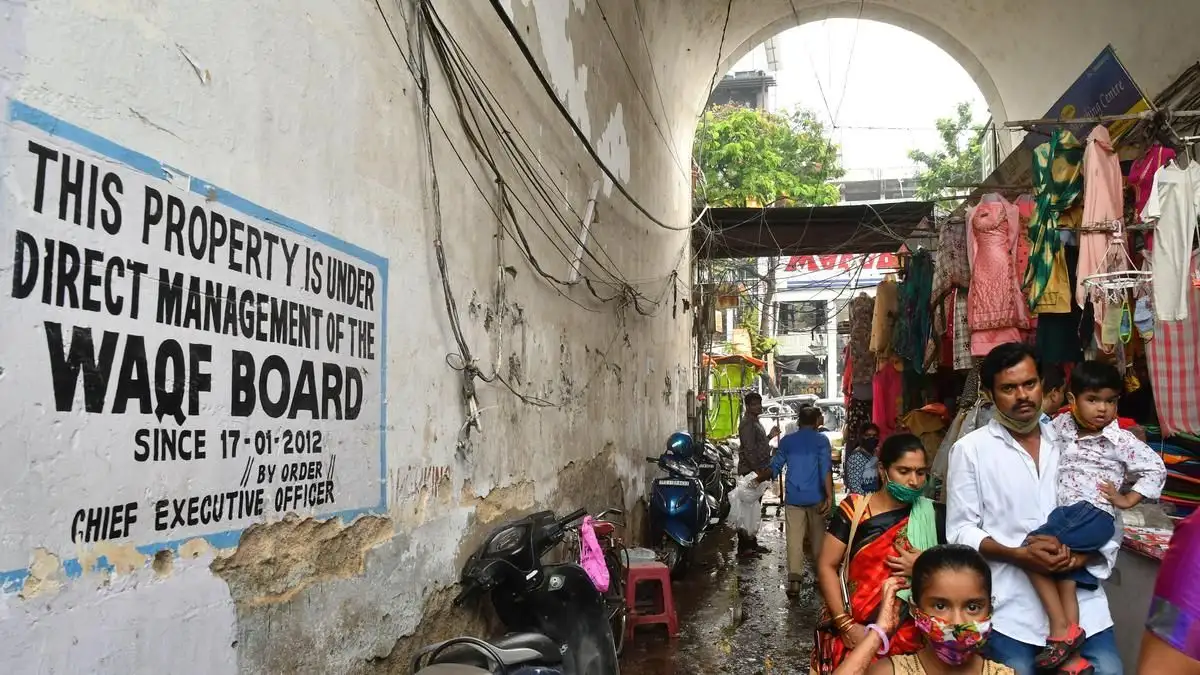
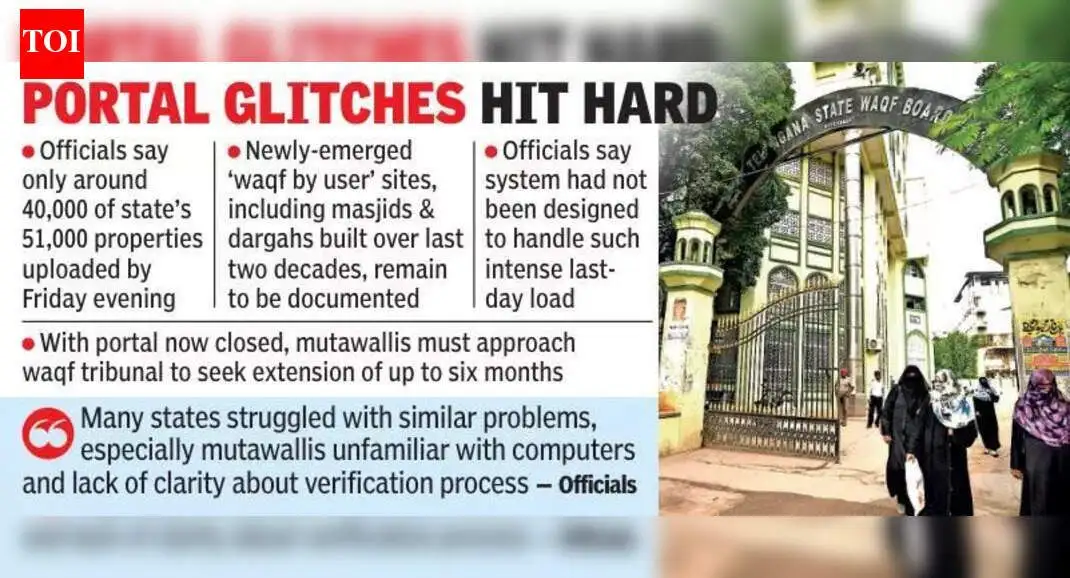
The effort involves identifying properties, tracing paperwork – often from fragmented, incomplete, or contested records – and then digitising them within a tight timeframe. This has led to a last-minute scramble, with many mutawallis attempting to upload documents simultaneously, resulting in technical glitches and disruptions to the portal.
Community Engagement and Lingering Doubts
In response to the challenges and potential apprehension within the community, religious scholars and socio-religious organisations are stepping up awareness campaigns. Plans are underway to establish registration facilitation centres at the district level. Some have advocated for an all-party meeting with Waqf Board authorities to foster a collaborative approach.
"This will ensure the campaign is effective with active participation of community members at the district level,” remarked Dr. Ahsan bin Mohammed Al-Hamoomi, Khatib and Imam of Shahi Masjid, who is involved in the registration process.
However, concerns persist. Reports indicate that some Muslim organisations initially called for a boycott of the portal, adding a layer of uncertainty. The TGWB has also stressed that mutawallis or committee members bear sole responsibility for the accuracy of the data uploaded for their respective institutions. They are urged to check the status of their registrations and make necessary corrections if records are pending, rejected, or marked for review.
Read More: Telangana cancer data move, but treatment places lack staff
Historical Context and Procedural Pains
The UMEED initiative, which aims to streamline the registration of waqf properties, has been extended, but this has only amplified the complexities. Beyond initial registrations, the TGWB must also address properties identified in a second waqf survey, estimated at around 13,000 additional assets. Furthermore, properties lacking a clear 'waqfnama' (waqf deed) present a unique procedural hurdle.
For mutawallis who missed the original deadline, the path forward involves approaching the waqf tribunal for extensions of up to six months. The urgency is palpable, with thousands of waqf assets reportedly remaining unlisted as the final deadline approaches, leaving many custodians in a race against time.
Read More: New York City Mamdani Administration Fights for 9/11 Records
Keywords: Telangana Waqf Board, UMEED portal, Waqf properties, March 12 deadline, digitisation challenges.