Washington D.C. - A significant exodus of personnel from the Department of Health and Human Services (HHS) signals deep fissures within the agency, with numerous employees and high-ranking officials voicing severe criticism of Health Secretary Robert F. Kennedy Jr.'s leadership. Over 1,000 current and former HHS employees have penned a letter demanding Kennedy's resignation, citing a pattern of actions they argue compromise national health and undermine public trust in scientific institutions.
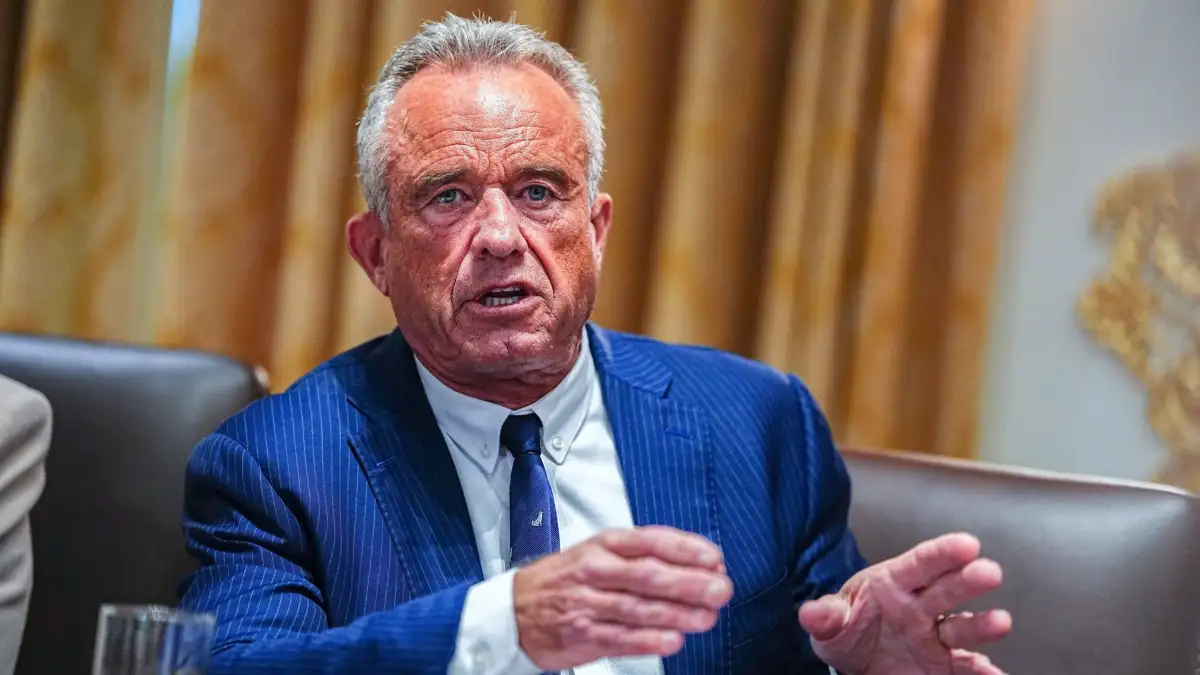
The sweeping denunciation, released September 3, 2025, details a list of grievances, including the facilitation of the firing of CDC Director Susan Monarez, the departure of long-serving CDC leaders, and the appointment of individuals described as "political ideologues" to influential policy roles. Signatories also expressed alarm over the rescinding of emergency use authorizations for COVID-19 vaccines without adequate justification.
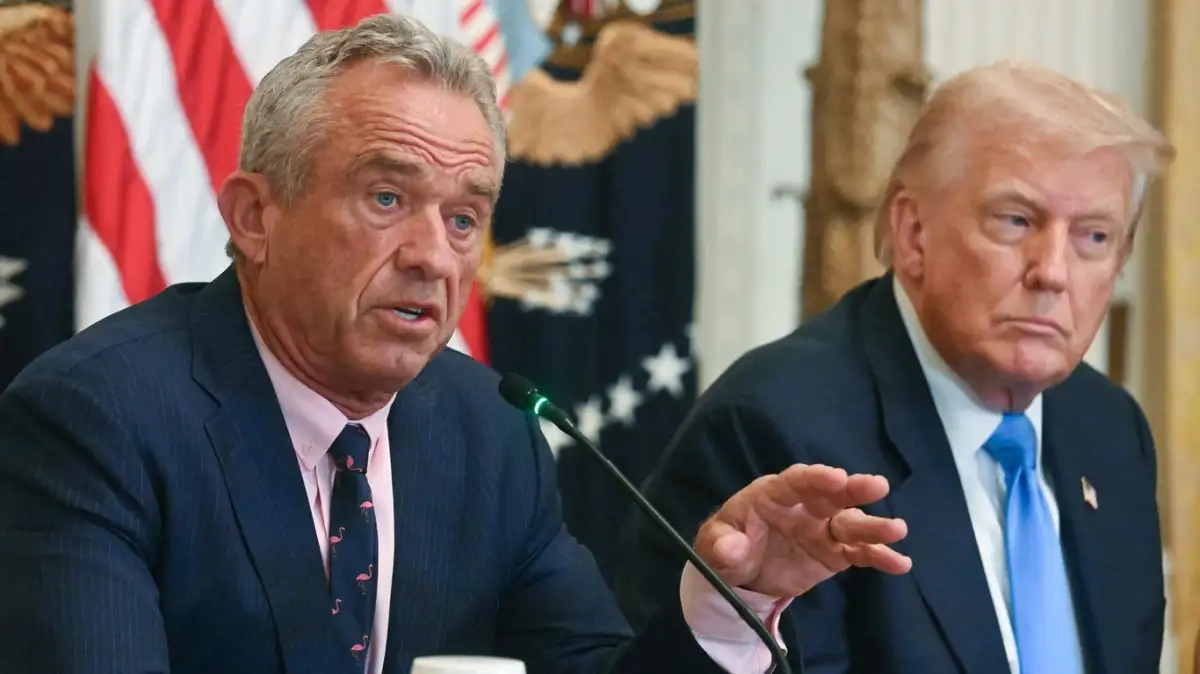
Spokesman Departs Amid Internal Strife
Adding to the internal turmoil, Thomas Corry, the top spokesman for HHS and assistant secretary of public affairs, resigned abruptly in early March 2025. His departure, announced via LinkedIn, was reportedly fueled by clashes with Stefanie Spear, Kennedy's principal deputy chief of staff and former press secretary for his presidential campaign. Sources suggest Spear's growing influence over communications within HHS created significant friction.
Read More: Acting DNI Pulte Fires Dozens of Intelligence Officials Starting Thursday
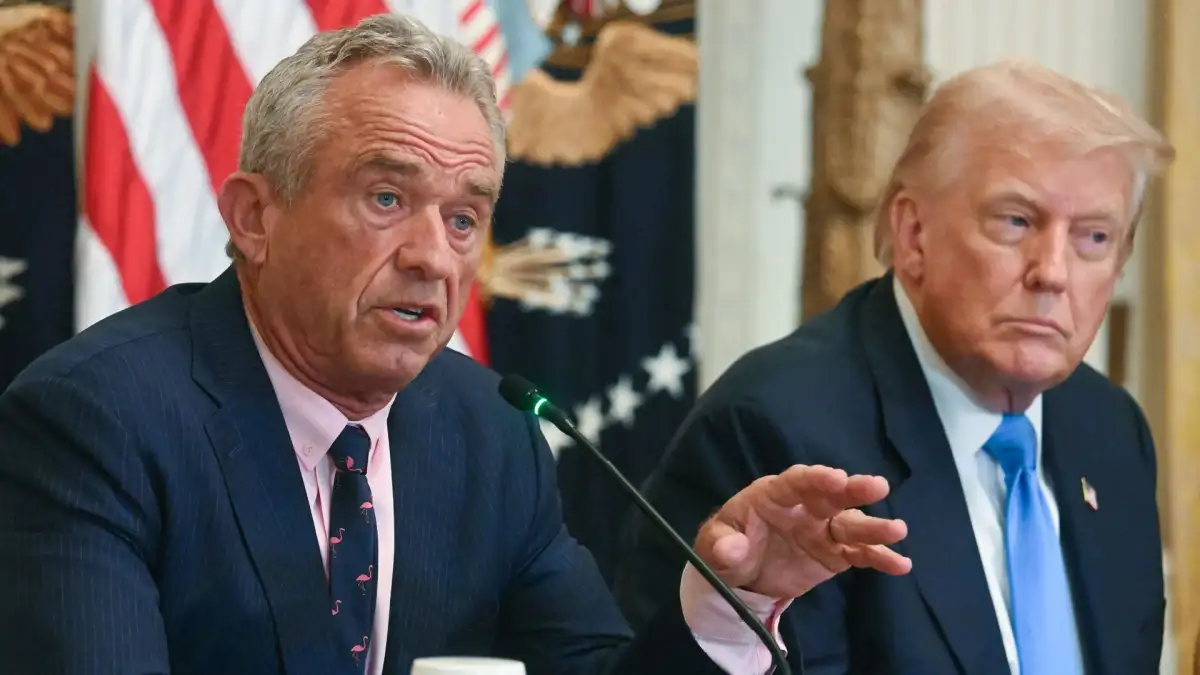
Vaccine Official Cites 'Misinformation'
Further compounding the crisis, Dr. Peter Marks, Director of the Center for Biologics Evaluation and Research at the Food and Drug Administration (FDA), has resigned, directly criticizing Kennedy for promoting "misinformation and lies." This move follows persistent concerns about Kennedy's history of promoting anti-vaccine viewpoints, despite assurances made during his Senate confirmation hearings that he would not undermine vaccine recommendations.
Broader Discontent and a Shadow of Tragedy
The widespread dissent coalesces around several key concerns:
Public Health Policy: The letter from over 1,000 employees specifically pointed to increased restrictions on COVID-19 shots, influenced by Kennedy's direction, as a major point of contention.
Leadership Style and Appointments: Critics decry Kennedy's management style and the perceived politicization of scientific roles, including the installation of Jim O'Neill, a Silicon Valley investor advocating for unproven COVID treatments, as acting CDC director.
Erosion of Trust: A central theme in the collective criticism is the perceived damage to the credibility of public health agencies, particularly the CDC, which employees argue has been weakened by "politicized science, bureaucratic inertia and mission creep."
The climate of discontent has been exacerbated by recent events, including a shooting at CDC headquarters on August 8, 2025, which claimed the life of a police officer. While the department stated Kennedy "is standing firmly with CDC employees" and that attempts to link the tragedy to policy changes were an effort to "politicize a tragedy," the incident occurred amidst heightened unease among HHS staff. One letter from hundreds of HHS staffers prior to the September resignation demands implored the secretary to cease "spreading inaccurate health information" and to guarantee workforce safety.
Read More: India IVF Costs And Social Barriers Limit Access In April 2026
In response to the barrage of criticism, an HHS spokesperson stated that Kennedy is committed to reforming the CDC, which they claim has been "broken for a long time." They asserted that his tenure has achieved "more than any health secretary in history in the fight to end the chronic disease epidemic and Make America Healthy Again." However, the mass resignation demands and the departure of key figures suggest a profound disconnect between leadership's narrative and the sentiment within the department's ranks.